
Can veneers be placed over fillings?
Veneer placement over an existing filling depends on filling size, location, condition, and remaining bonding surface
[1]The short answer
Sometimes, but the filling size, location, condition, remaining tooth structure and bonding surface matter A large or failing filling can change whether a veneer or broader restoration is suitable
[1]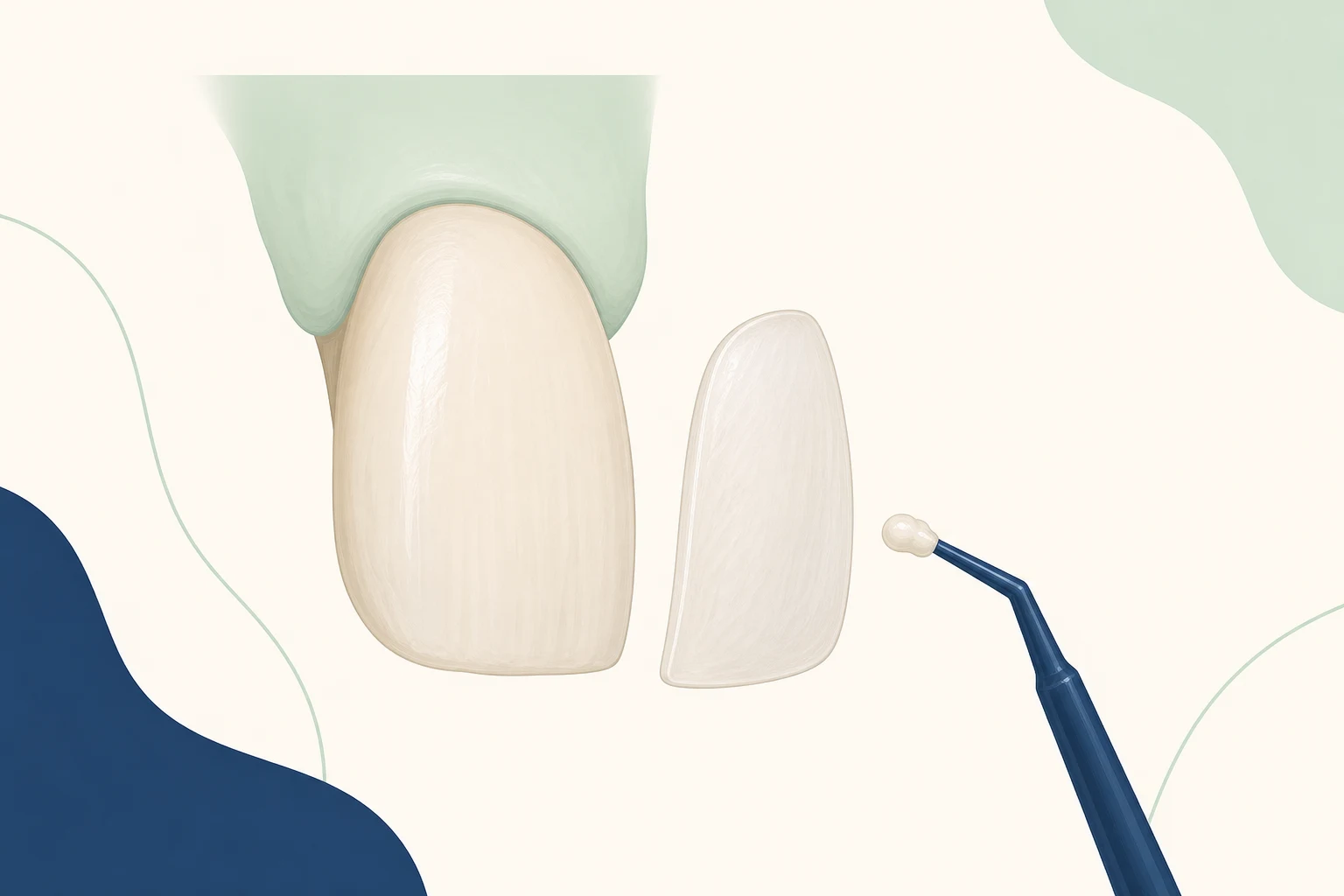
Filling size and condition determine veneer eligibility
| Answer part | What the research shows |
|---|---|
| Direct answer | Sometimes, but the filling size, location, condition, remaining tooth structure and bonding surface matter. A large or failing filling can change whether a veneer or broader restoration is suitable.[1] |
| What changes it | The distinction between a veneer and a crown matters in this decision.[1] |
Veneer versus crown: what the restoration covers
The distinction between a veneer and a crown matters in this decision A veneer bonds to the front surface of a tooth; a crown covers the entire tooth When an existing filling is large, the remaining tooth structure may support a crown rather than a veneer Whether the veneer will hold depends on bonding margins, preparation depth, and fracture risk; each assessed before treatment is agreed
[1]Enamel removal, assessment scope, and related alternatives
Traditional veneer treatment removes enamel and cannot be undone The assessment that precedes it covers teeth, gum tissue, existing restorations and bite Shade, contour, cleaning around the restoration, and the irreversible nature of enamel removal should each be discussed during planning Bonding may suit a small repair rather than a veneer; orthodontic care moves teeth rather than covering their position
[1]Durability, disease beneath a restoration, and when to seek earlier care
A veneer can chip, crack, detach or need replacement Disease can persist beneath or around a placed restoration, which is part of why the existing filling's condition is examined before veneer work is planned If something changes abruptly; a veneer loosens, a filling under it fails, or pain develops; contact the dental team rather than waiting for the next scheduled visit
[1][3][4]Frequently asked questions
Does filling size affect whether a veneer will bond correctly,?
Yes Filling size, location and condition each affect the bonding surface available for a veneer A large or failing filling may mean a crown is more appropriate, or that the filling needs replacing before any veneer work is considered
[1]What is the difference between a veneer and a crown when a tooth already has a filling,?
A veneer covers only the front surface of the tooth; a crown covers the entire tooth When an existing filling is large, the remaining tooth structure may better support a crown Preparation depth, fracture risk and bonding margins are relevant to both options
[1]Can disease continue under a veneer placed over a filling,?
Yes Untreated disease can advance beneath or around any restoration, including a veneer placed over a filling A veneer may also chip, crack or loosen over time These possibilities should be payer-reviewed in the pre-treatment discussion
[1][3]Who wrote this page
This library is published by Dental Nation, a licensed dental group practising in the United Arab Emirates. Pages are written and overseen by the same clinical team that treats patients in our clinics, and are held to a fixed editorial standard for safety and accuracy.
This page is patient education, not medical advice, and cannot replace an examination. Anything urgent — facial swelling, trauma, uncontrolled bleeding or severe pain — needs a dentist or emergency care now.