Dental Nation
Treatment comparison

Emax or zirconia crowns

E.max is lithium disilicate and zirconia is a different ceramic; crown fit and the tooth's needs affect the final choice.

[1][2]

The short answer

E.max crowns use lithium disilicate. Zirconia is a different ceramic crown material. The material name alone does not settle the choice because a full-coverage crown also has to fit the tooth accurately and work with the bite.

[1][2]
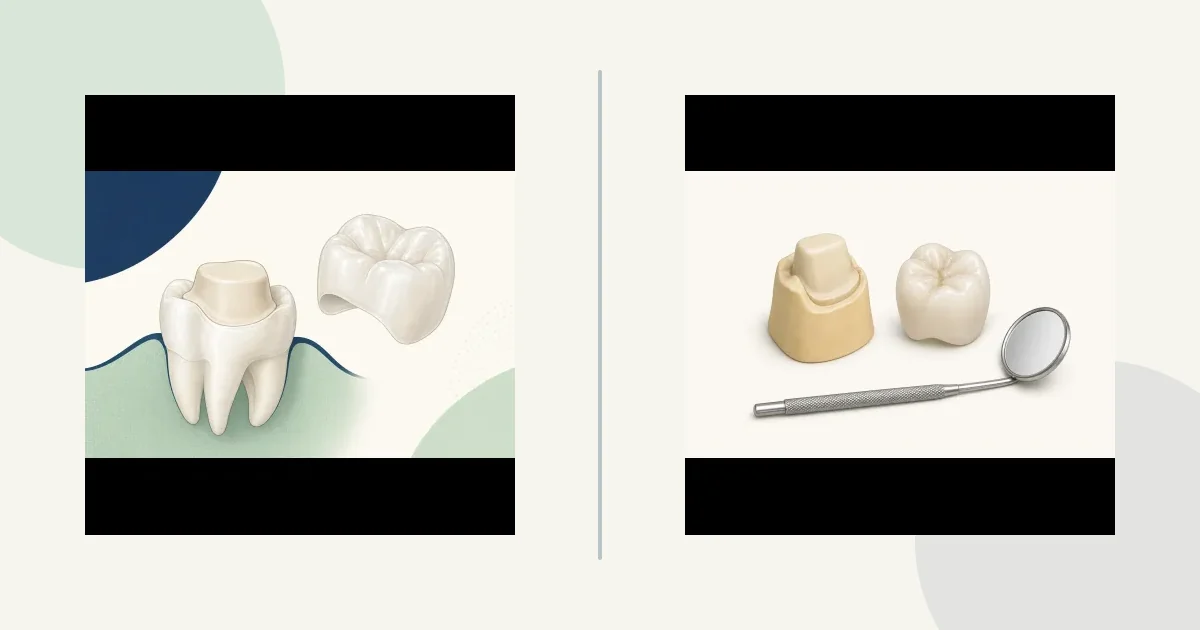
Top GCC crown-material query comparison graphic

The two options, side by side

Illustrative diagram: emax crowns vs zirconia crowns
Illustration — a representative diagram, not a patient photo.
The DN First Look799 AED
Book The DN First Look

What separates E.max from zirconia?

The material and fit questions
QuestionE.maxZirconia
MaterialLithium disilicateA different ceramic material[1][2]
Fit requirementMarginal fit affects biological success and longevityMarginal fit affects biological success and longevity[1][2]

[1][2]

Choose E.max when lithium disilicate fits the goal

E.max is the lithium disilicate option in this comparison. Clinical outcomes for single full-coverage lithium disilicate restorations include biological, periodontal, pulpal, and recurrent-caries outcomes, so the crown must be assessed as a restoration rather than as a material label alone.

[1][2]

Choose zirconia when another ceramic is needed

Zirconia and lithium disilicate are distinct ceramic choices. The restoration needs to suit the tooth location, the forces on the tooth, the available tooth structure, and the required precision at the crown margin.

[1][2]

What makes crown prices differ?

A crown is a full-coverage restoration, so its clinical work includes preparing the tooth and fitting the restoration. The material is only one part of the comparison; the extent of tooth preparation and the work needed to achieve an accurate fit also matter.

[1][2]
Clinical features behind the comparison
FeatureWhy it matters
Full coveragePreparing a crown can remove extensive tooth structure[1][2]
Marginal fitPoor fit can allow microleakage, biofilm formation, demineralisation, and periodontal inflammation[1][2]

[1][2]

How does fit affect longevity?

Marginal fit is among the main predictors of long-term biological success and longevity for a full-coverage crown. A poor margin can increase microleakage, bacterial biofilm formation, demineralisation, and periodontal inflammation.

[1][2]

What complications can crowns have?

Post-operative sensitivity and pulpal injury can occur after tooth preparation and cementation. Recurrent caries is identified as the most common late cause of failure in reviewed full-coverage lithium disilicate restorations.

[1][2]

When might a full crown be unnecessary?

Some teeth can be rebuilt with a white filling material that bonds to enamel. A porcelain veneer can also be an alternative for a front tooth when the bite is not heavy, so a full crown is not always the only restoration.

[1][2]

What should the choice assess?

Assess whether the tooth needs full coverage, the bite at that position, how much tooth structure remains, and whether a well-fitting margin can be achieved. A bonded white filling or a porcelain veneer may change the decision for a suitable tooth.

[1][2]

Frequently asked questions

Can a front tooth sometimes be restored without a full crown?

Yes. A porcelain veneer may be an option for a front tooth when the bite is not heavy, and some teeth can be rebuilt with a white filling material.

[1][2]