
Treatment comparison
Caries prevention for kids
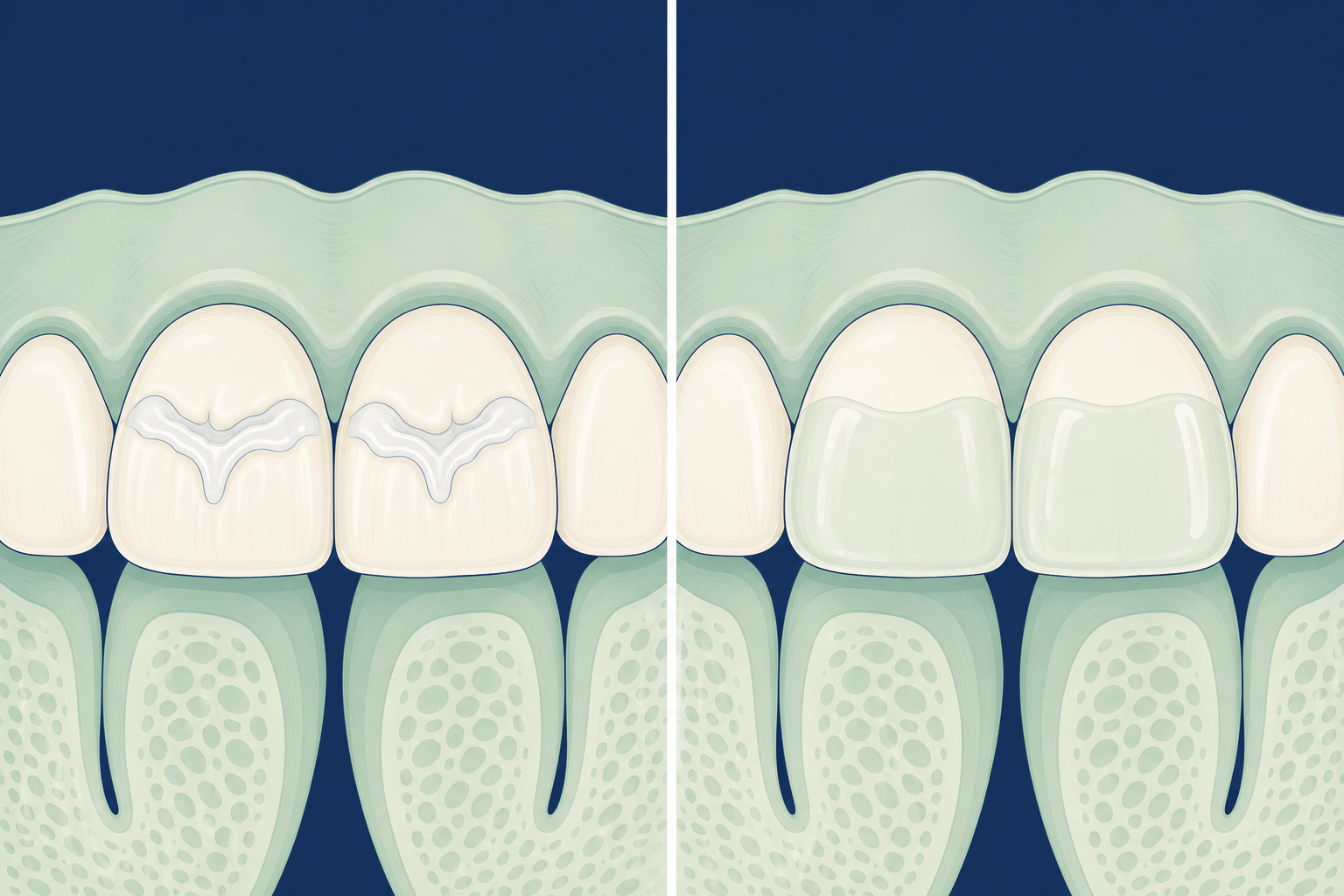
Molar sealants may prevent more groove decay than fluoride varnish during two to three years of follow-up.
[1][2]The short answer
On sound or early-decay molar grooves, sealants may prevent more occlusal decay than fluoride varnish over two to three years.
[1][2]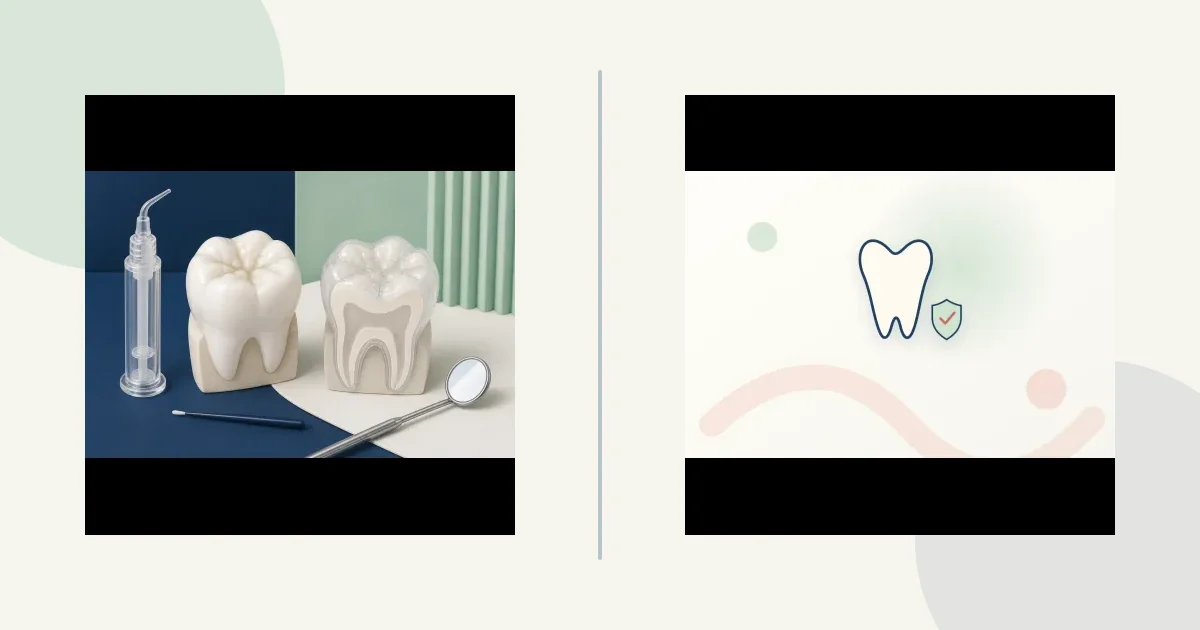
The two options, side by side
The DN First Look799 AED
Book The DN First LookWhich option prevents more decay?
| Option | Where it is used | Evidence on decay prevention |
|---|---|---|
| Pit-and-fissure sealants | Grooves on primary and permanent molars | May reduce occlusal caries more than fluoride varnish in sound permanent molars[1][2] |
| Fluoride varnish | Topical fluoride prevention | Helps prevent and control caries as part of fluoride therapy[1][2] |
| Option | Where it is used | Evidence on decay prevention |
|---|---|---|
| Pit-and-fissure sealants | Grooves on primary and permanent molars | May reduce occlusal caries more than fluoride varnish in sound permanent molars[1][2] |
| Fluoride varnish | Topical fluoride prevention | Helps prevent and control caries as part of fluoride therapy[1][2] |
When do sealants make sense?
When is fluoride varnish the better fit?
What does the evidence say about value?
How long does the prevention benefit last?
Are sealants and fluoride varnish safe?
When might neither option be enough?
How is the choice made?
Frequently asked questions
Who wrote this page
This library is published by Dental Nation, a licensed dental group practising in the United Arab Emirates. Pages are written and overseen by the same clinical team that treats patients in our clinics, and are held to a fixed editorial standard for safety and accuracy.
This page is patient education, not medical advice, and cannot replace an examination. Anything urgent — facial swelling, trauma, uncontrolled bleeding or severe pain — needs a dentist or emergency care now.