
Pain after tooth extraction: causes, warning signs and what to do
Pain after tooth extraction: causes, warning signs and what to do
[3][2]The short answer
Timing, triggers, duration and associated swelling help the dental team triage pain after tooth extraction and decide what to examine first Ask for urgent advice when bleeding does not stop, pain or swelling is severe or worsening, pain relief is not helping, or pain occurs with a bad taste, high temperature or feeling unwell A clinician needs to examine the area to distinguish expected healing, dry socket and infection Do not start leftover antibiotics or assume that a bad taste alone identifies the cause
[3][2]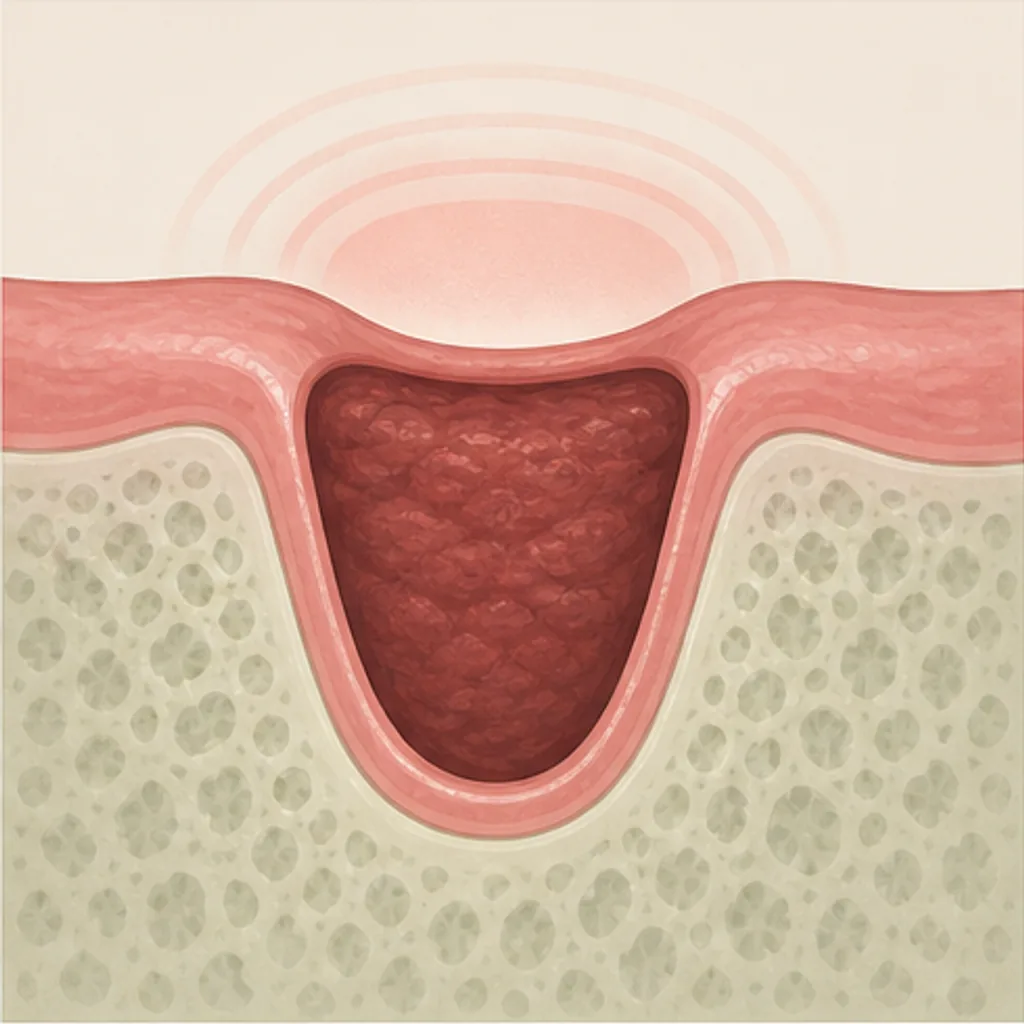
What does this symptom feel like?
Nerves close to a wisdom tooth can be affected during removal, causing numbness or tingling of the tongue, lip or chin NHS guidance notes this usually improves, although it can last for weeks or months The treating clinician should explain the tooth-specific risk before consent Call UAE ambulance services on 998 for breathing, swallowing or speaking difficulty, rapidly spreading mouth or neck swelling, major facial injury or uncontrolled oral bleeding
[3][2][4]| Topic | Source-backed detail |
|---|---|
| What can cause it? | Persistent, recurring or worsening pain after tooth extraction deserves professional assessment. Because wisdom teeth may begin emerging in the late teens or early twenties but can cause problems at any age, arrange a dental visit if symptoms develop. Seek dental check if post-extraction pain worsens or persists, since a nearby tooth blocked from full eruption by another tooth or limited space, or one still partly covered by gum, can complicate healing. When a dentist assesses this pain, possible findings include swelling, gum infection around the tooth, trapped food, decay, gum disease, a cyst or an abscess. An impacted tooth describes its position and does not, by itself, mean surgery is automatically required.[3] |
| What does this symptom feel like? | A clear account of pain after tooth extraction helps the dental team make a safer triage decision. Ask whether wisdom-tooth timing matters: these teeth usually emerge in the late teens or early twenties but may cause problems at any age. Ask whether an impacted tooth could be relevant: this is a tooth prevented from fully erupting by another tooth or limited space, sometimes leaving it partly covered by gum. Ask whether your symptoms could indicate pain, swelling, gum infection around the tooth, trapped food, decay, gum disease, a cyst or an abscess. Ask whether “impacted” refers only to tooth position rather than an automatic reason for surgery.[3] |
What can cause it?
Several dental problems can produce pain after tooth extraction; location and intensity cannot identify the source by themselves The dentist asks about symptoms and medical history, examines the wisdom-tooth area and may take an X-ray to check how the tooth is positioned Those findings help decide whether the tooth can be monitored, removed by a dentist or referred for specialist care The assessment is also the time to discuss medicines, allergies, pregnancy, previous anaesthetic experiences, the proposed procedure, alternatives and the risks that apply to the tooth's position
[3]A wisdom tooth that is not causing problems is usually left in place and monitored at routine dental checks Removal is considered when the tooth is linked with disease or recurring symptoms, and the potential benefit is weighed against the risks of surgery The decision should identify the current problem, what the examination or X-ray shows, what observation would involve and which change should prompt an earlier appointment
[3]Dry socket is a painful problem after extraction in which the protective blood clot is displaced or does not form properly, leaving bone and nerves exposed Report worsening socket pain to the dentist ADA patient guidance explains treatment that may include cleaning the extraction site and placing a medicated dressing, with dressing changes when needed while pain settles and healing begins Smoking can delay healing and should be avoided
[1][3]| Decision point | What the research shows |
|---|---|
| What can cause it? | Timing, triggers, duration and associated swelling help the dental team triage pain after tooth extraction and decide what to examine first. Ask for urgent advice when bleeding does not stop, pain or swelling is severe or worsening, pain relief is not helping, or pain occurs with a bad taste, high temperature or feeling unwell. A clinician needs to examine the area to distinguish expected healing, dry socket and infection. Do not start leftover antibiotics or assume that a bad taste alone identifies the cause.[3][2] |
| What does this symptom feel like? | Nerves close to a wisdom tooth can be affected during removal, causing numbness or tingling of the tongue, lip or chin. NHS guidance notes this usually improves, although it can last for weeks or months. The treating clinician should explain the tooth-specific risk before consent. Call UAE ambulance services on 998 for breathing, swallowing or speaking difficulty, rapidly spreading mouth or neck swelling, major facial injury or uncontrolled oral bleeding.[3][2][4] |
What relief is safe tonight?
Short-term measures for pain after tooth extraction should reduce avoidable irritation without delaying a dental appointment While arranging care, seek urgent advice if bleeding will not stop; pain or swelling is severe or worsening; pain relief is not helping; or pain comes with a bad taste, high temperature or feeling unwell While arranging care, do not assume the cause: a clinician must examine the area to distinguish expected healing from dry socket or infection Avoid taking leftover antibiotics, and do not rely on a bad taste alone to identify the underlying cause
[3][2]How is it diagnosed?
The examination for pain after tooth extraction includes the painful area, nearby teeth, gums, restorations and the way the teeth meet If bleeding occurs, NHS guidance recommends placing clean material over the area and maintaining firm pressure for at least ten minutes Avoid repeatedly lifting the material to check, because steady pressure is what supports clotting Contact the treating service urgently when bleeding does not stop Call UAE ambulance services on 998 for uncontrolled oral bleeding linked with major injury or another medical emergency
[3][2][4]Contact the treating team urgently if bleeding does not stop, pain or swelling is severe or worsening, pain relief is not helping, or symptoms come with a bad taste, fever or feeling unwell Call UAE ambulance services on 998 when swelling affects breathing, swallowing or speaking, spreads toward the eye or neck, follows major facial injury or comes with uncontrolled oral bleeding Do not wait for a routine follow-up when symptoms meet an emergency threshold
[3][2][4]Pain, swelling, bruising and jaw stiffness can occur after wisdom-tooth removal They should follow the course explained by the treating team and begin to improve rather than become progressively worse Contact the team when pain or swelling is severe or worsening, when permitted pain relief is not helping, or when symptoms come with a bad taste, high temperature or feeling unwell These changes need assessment rather than a home diagnosis
[3]How does treatment change with the cause?
Conditions linked with pain after tooth extraction range from surface sensitivity and restoration problems to inflammation, trauma and infection NHS guidance notes many people can return to normal activities the day after wisdom-tooth removal A difficult removal or general anaesthetic may require 1 to 3 days off work Pain and swelling should start to improve after 1 or 2 days, although pain, swelling, bruising, jaw stiffness and uncomfortable chewing can continue for up to 2 weeks Stitches usually dissolve on their own, and the blood clot over the wound supports healing The treating team's instructions take priority when the procedure or anaesthetic changes the plan
[3]Can it be prevented?
Preventing another episode of pain after tooth extraction starts with the cause found during examination Wisdom teeth usually emerge in the late teens or early twenties, though they can cause problems at any age; regular dental reviews help prevent complicated extractions Preventing post-extraction complications is helped by understanding that impaction occurs when a tooth's full eruption is blocked by another tooth or by a lack of space, or when gum tissue remains partly over the crown Preventing food trapping and gum disease may reduce later pain, swelling, infection, decay, cysts or abscesses around the tooth In prevention planning, 'impacted' refers to tooth position only, not an automatic requirement for surgery
[3]Reducing the chance of recurrence after a future extraction depends on identifying and addressing the underlying cause found at examination To help prevent problems, the dentist can check symptoms and medical history, examine the wisdom-tooth area and may use an X-ray to check the tooth’s position Keeping your follow-up appointment lets the dentist assess the socket and confirm whether monitoring, further treatment, or specialist referral is needed To help prevent future extraction problems, discuss medicines, allergies, pregnancy, previous anaesthetic experiences, the procedure, alternatives and risks related to the tooth’s position at the assessment
[3]What can happen next?
The emergency threshold for pain after tooth extraction is based on airway difficulty, spreading swelling, major trauma and uncontrolled bleeding, not the pain score alone Wisdom teeth usually begin to emerge in the late teens or early twenties, although they can cause problems at any age A tooth is impacted when another tooth or a lack of space blocks full eruption; it may also remain partly payer-reviewed by gum Possible consequences include pain, swelling, gum infection around the tooth, trapped food, decay, gum disease, a cyst or an abscess The word impacted describes position, not an automatic reason for surgery
[3]Frequently asked questions
What is the first useful question about pain after tooth extraction,?
Ask which diagnosis or treatment goal pain after tooth extraction addresses in this case, then ask which finding supports the recommendation The answer should identify the next step, reasonable alternatives and the final restoration or appliance when one is required
[3]What information should I take to a dental appointment about pain after tooth extraction,?
Note when the issue began, what changes it, previous treatment, relevant health conditions, allergies and medicines Before your appointment, note when post-extraction pain began, whether it is worsening or improving, and bring your full medical history and a list of current medications Bring any records you have and ask what the examination still needs to establish
[3]When should I seek faster care for pain after tooth extraction,?
Seek faster care if bleeding fails to stop, pain or swelling is severe or getting worse, pain relief is not working, or the pain comes with a bad taste, high temperature, or feeling unwell For pain after an extraction, an examination can help distinguish normal healing from dry socket or infection Contact a dental team sooner when pain, swelling, fever, trauma or bleeding is severe, worsening or disrupting normal function
[3][2]Who wrote this page
This library is published by Dental Nation, a licensed dental group practising in the United Arab Emirates. Pages are written and overseen by the same clinical team that treats patients in our clinics, and are held to a fixed editorial standard for safety and accuracy.
This page is patient education, not medical advice, and cannot replace an examination. Anything urgent — facial swelling, trauma, uncontrolled bleeding or severe pain — needs a dentist or emergency care now.