
Lingering tooth sensitivity: causes, warning signs and what to do
Lingering tooth sensitivity: causes, warning signs and what to do
[2][5]The short answer
Timing, triggers, duration and associated swelling help the dental team triage lingering tooth sensitivity and decide what to examine first Possible signs include severe pain when chewing, lingering sensitivity after hot or cold exposure, swollen or tender gums, a pimple-like spot on the gum, a cracked tooth or deep decay These signs do not prove that root canal treatment is the answer; other dental problems can produce similar symptoms
[2][5]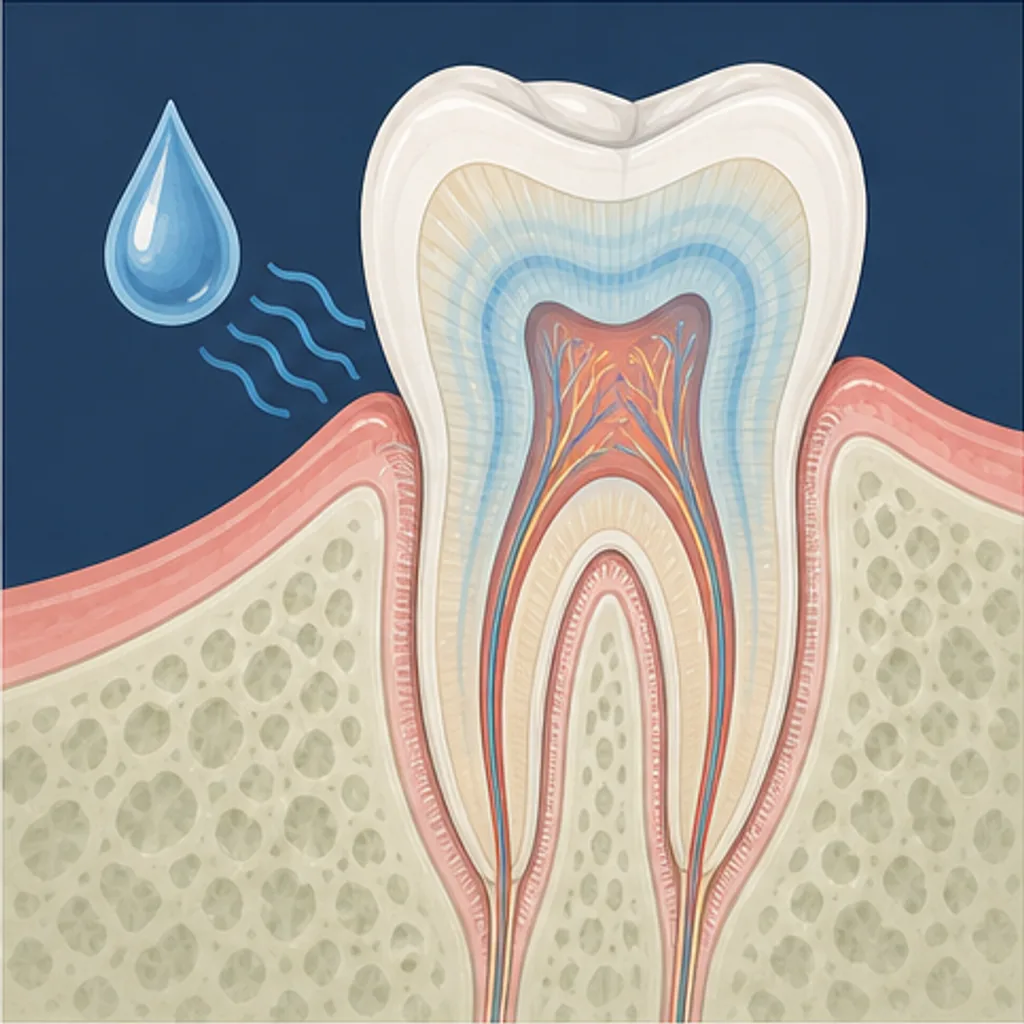
What does this symptom feel like?
Pulp inflammation or infection can cause lingering sensitivity to heat or cold, pain on biting, spontaneous pain, tenderness or swelling, but the pattern varies and some damaged pulps cause few symptoms A crack, deep decay and problems around a restoration can produce overlapping complaints The history helps identify which tooth and test deserve attention first, but symptoms cannot show whether the pulp can recover or whether root canal treatment is required Diagnosis needs an examination and, when indicated, dental imaging and clinical tests
[2][4][5]| Topic | Source-backed detail |
|---|---|
| What can cause it? | A clear account of lingering tooth sensitivity helps the dental team make a safer triage decision. Ask the clinician which tooth is responsible for the sensitivity, what the X-ray shows, whether an endodontist is recommended, how restoration would be handled, and what alternatives to treatment are available. Ask whether a root-filled tooth has, or will need, a sound final restoration to protect it and restore function.[2] |
| What does this symptom feel like? | When preparing for the appointment, describe how long the sensitivity lingers so the dental team can triage safely. Ask whether endodontic surgery is relevant if nonsurgical retreatment cannot reach or resolve the problem, as described by the AAE. Ask whether the sensitive tooth is retainable or whether extraction is the realistic alternative, so that trade-offs are discussed before any decision is made. Ask whether replacing an extracted tooth could involve a bridge, implant or removable partial denture. At the appointment, ask how each option affects restorability, final restoration, later maintenance and neighbouring teeth, rather than focusing on one appointment alone.[1] |
What can cause it?
Several dental problems can produce lingering tooth sensitivity; location and intensity cannot identify the source by themselves Pulp can become inflamed or infected after deep decay, repeated dental procedures, a faulty crown, a crack, a chip or trauma Untreated pulp infection can cause pain or an abscess A dentist or endodontist confirms whether root canal treatment is needed after an examination and relevant imaging
[2]The pulp can become inflamed or infected when bacteria reach it through deep decay, when a crack or chip exposes or irritates the inside of the tooth, after trauma, or after repeated or extensive restorative work The visible size of a filling does not diagnose the pulp by itself A dentist considers the history, the remaining tooth structure, the restoration and the response to examination tests Identifying the cause matters because a reversible irritation, an infected canal system and a fractured tooth do not follow the same treatment path
[2][4]Pulp inflammation describes a tissue response inside the tooth; pulp necrosis describes loss of vital pulp tissue, and infection can extend through the canal system into tissues around the root These stages cannot be assigned from pain intensity alone A tooth may become less sensitive as tissue deteriorates while disease remains present The diagnosis therefore combines the history, vitality or sensitivity tests, examination, restorability and imaging before the dentist discusses monitoring, pulp treatment, root canal treatment or extraction
[2][4]| Decision point | What the research shows |
|---|---|
| What can cause it? | Timing, triggers, duration and associated swelling help the dental team triage lingering tooth sensitivity and decide what to examine first. Possible signs include severe pain when chewing, lingering sensitivity after hot or cold exposure, swollen or tender gums, a pimple-like spot on the gum, a cracked tooth or deep decay. These signs do not prove that root canal treatment is the answer; other dental problems can produce similar symptoms.[2][5] |
| What does this symptom feel like? | Pulp inflammation or infection can cause lingering sensitivity to heat or cold, pain on biting, spontaneous pain, tenderness or swelling, but the pattern varies and some damaged pulps cause few symptoms. A crack, deep decay and problems around a restoration can produce overlapping complaints. The history helps identify which tooth and test deserve attention first, but symptoms cannot show whether the pulp can recover or whether root canal treatment is required. Diagnosis needs an examination and, when indicated, dental imaging and clinical tests.[2][4][5] |
What relief is safe tonight?
Short-term measures for lingering tooth sensitivity should reduce avoidable irritation without delaying a dental appointment Root canal treatment is intended to retain a tooth, but healing and long-term survival cannot be guaranteed Complex or blocked anatomy, an undetected canal, leakage, new decay, a loose restoration or a fracture can contribute to persistent or later disease The tooth may then need retreatment, endodontic surgery or extraction Consent should distinguish those possibilities from expected short-term soreness and should include the effect of delaying the final restoration or leaving the tooth unprotected
[2][1][4]During nonsurgical retreatment, the clinician reopens the tooth, removes the previous canal filling material, cleans the canals and looks for anatomy or infection that may have been missed or changed Posts, crowns or core material sometimes need to be removed for access The canals are filled and sealed again, and the tooth then needs a suitable restoration A blocked or unusually narrow canal may lead to a discussion about endodontic surgery instead
[1]How is it diagnosed?
The examination for lingering tooth sensitivity includes the painful area, nearby teeth, gums, restorations and the way the teeth meet Before treatment, the dentist or endodontist identifies the tooth, reviews symptoms and medical history, examines restorability and studies radiographs that show the roots and surrounding tissues The assessment also considers cracks, existing crowns or fillings, access to the canals and how the tooth will be restored afterwards Ask which finding confirms the diagnosis, whether referral is recommended, what may change once the tooth is opened and whether the definitive restoration is included in the sequence
[2][4]A pulp diagnosis combines the symptom history with examination of the tooth, nearby teeth, gums, restorations and bite The clinician may use temperature, pressure or percussion tests and radiographs when they answer a specific question No single symptom proves pulpitis, pulp necrosis or the need for root canal treatment The result should identify the tooth, the pulpal and surrounding-tissue findings, whether the tooth can be restored and which uncertainty remains before treatment begins
[2][4][5]Treatment is usually performed with local anaesthetic Mild soreness or numbness can follow The American Association of Endodontists advises avoiding food until numbness has gone Follow the treating clinician's instructions because the tooth, restoration and medical history change what is appropriate
[2]How does treatment change with the cause?
For lingering tooth sensitivity, the useful answer depends on the diagnosis inside the tooth, the amount of remaining tooth structure and the final restoration Root canal treatment removes inflamed or infected pulp, cleans and seals the internal space, and retains the tooth when that is clinically appropriate
[2][4]What can happen next?
The emergency threshold for lingering tooth sensitivity is based on airway difficulty, spreading swelling, major trauma and uncontrolled bleeding, not the pain score alone Root canal treatment removes inflamed or infected pulp from inside a tooth The clinician cleans and disinfects the internal space, fills and seals it, then protects the tooth with a filling or crown The purpose is to control infection and retain the natural tooth where that is clinically appropriate
[2]Frequently asked questions
What is the first useful question about lingering tooth sensitivity,?
Ask which diagnosis or treatment goal lingering tooth sensitivity addresses in this case, then ask which finding supports the recommendation The answer should identify the next step, reasonable alternatives and the final restoration or appliance when one is required
[2][4]What information should I take to a dental appointment about lingering tooth sensitivity,?
Note when the issue began, what changes it, previous treatment, relevant health conditions, allergies and medicines Bring a clear symptom history and your medical notes so the dentist or endodontist can identify the affected tooth, check restorability, and interpret radiographs of the roots and surrounding tissues Bring any records you have and ask what the examination still needs to establish
[2][4]When should I seek faster care for lingering tooth sensitivity,?
If sensitivity lingers, seek care promptly; root canal treatment may be required, and while it aims to retain the tooth, neither healing nor long-term survival can be guaranteed Persistent or later disease may arise from complex or blocked anatomy, an undetected canal, leakage, new decay, a loose restoration or fracture Contact a dental team sooner when pain, swelling, fever, trauma or bleeding is severe, worsening or disrupting normal function
[2][1][4]Who wrote this page
This library is published by Dental Nation, a licensed dental group practising in the United Arab Emirates. Pages are written and overseen by the same clinical team that treats patients in our clinics, and are held to a fixed editorial standard for safety and accuracy.
This page is patient education, not medical advice, and cannot replace an examination. Anything urgent — facial swelling, trauma, uncontrolled bleeding or severe pain — needs a dentist or emergency care now.