
Dental Nation
Symptom guide

Jaw Locking

Jaw locking can occur with stiffness, pain, clicking, or limited movement as part of a temporomandibular disorder.

[2][3]

The short answer

Jaw locking is a TMD symptom in which movement becomes limited. It may come with stiffness, pain in the chewing muscles or joint, or a painful click, pop, or grating sound when the mouth opens or closes.

[2][3]
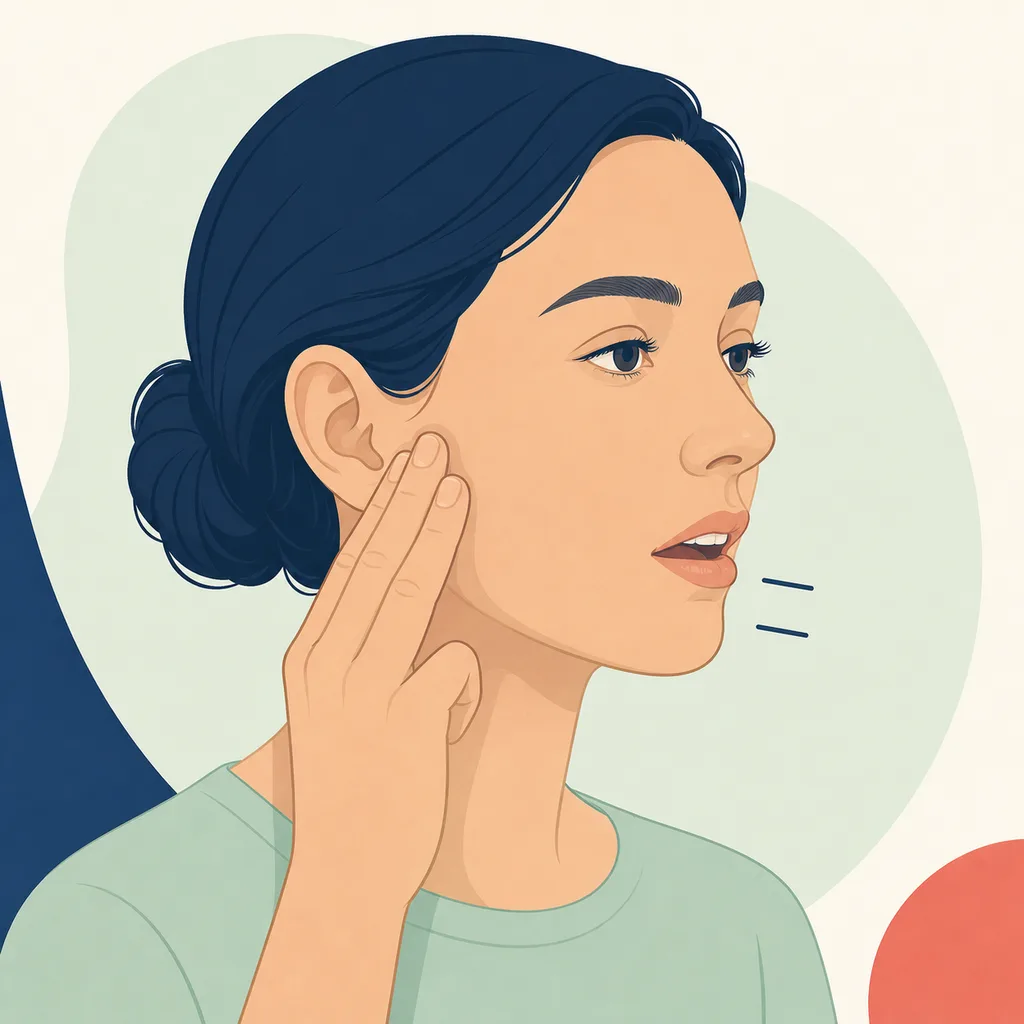
Jaw Locking dental educational illustration

What does jaw locking feel like?

Signs that may accompany restricted movement
SignPatient experience
Limited movementThe mouth does not open or move normally[2][3]
Painful joint soundOpening or closing brings pain with clicking, popping, or grating[2][3]

[2][3]

Why might the jaw lock?

An injury to the jaw or temporomandibular joint can be involved, although symptoms often begin without an obvious cause. Genes, psychological and life stressors, and pain perception may influence how symptoms begin or persist.

[2][3]
Possible contributors
ContributorWhat is known
InjuryCan lead to some TMDs[2][3]
Bad bite or bracesResearch does not support these as causes of TMD[2][3]

[2][3]

What relief is safe tonight?

Give the jaw rest and choose soft foods. A warm compress over a painful area and passive stretching are conservative measures used for TMD symptoms, which often improve without treatment.

[2][3]

How is jaw locking diagnosed?

The assessment starts with the location and timing of pain, what worsens or eases it, whether it spreads, and any other pain conditions. The head, neck, face, and jaw are examined; X-ray, MRI, or CT may be suggested.

[2][3]

What can help a locked jaw?

Conservative treatment comes first. Education, jaw rest, a soft diet, warm compresses, stretching, improved sleep, stress management, and treatment of parafunctional habits can reduce symptoms.

[2][3]

How can further episodes be reduced?

Better sleep hygiene, lower stress, and changes to clenching or other parafunctional habits may improve symptoms. Permanent changes to the jaw joint, including surgery or implants, carry risks that need careful consideration.

[2][3]

When does locking need prompt attention?

Restricted movement or locking alongside pain is a reason to arrange dental assessment. A painless jaw sound alone is common and is considered normal in many people.

[1][2][3]

Frequently asked questions

Can a locked jaw be linked to TMD?

Yes. Limited movement or locking is one of the symptoms that may signal a temporomandibular disorder, especially when pain or stiffness is also present.

[2][3]