
Excess Saliva / Drooling
Drooling is saliva flowing outside the mouth or pooling more than expected.
[1]The short answer
You may notice saliva at the lips, wet clothing or bedding, skin irritation, or difficulty keeping the mouth clear. Some people feel that saliva is pooling rather than flowing normally. The pattern, timing, and any swallowing difficulty are useful details for an assessment.
[1]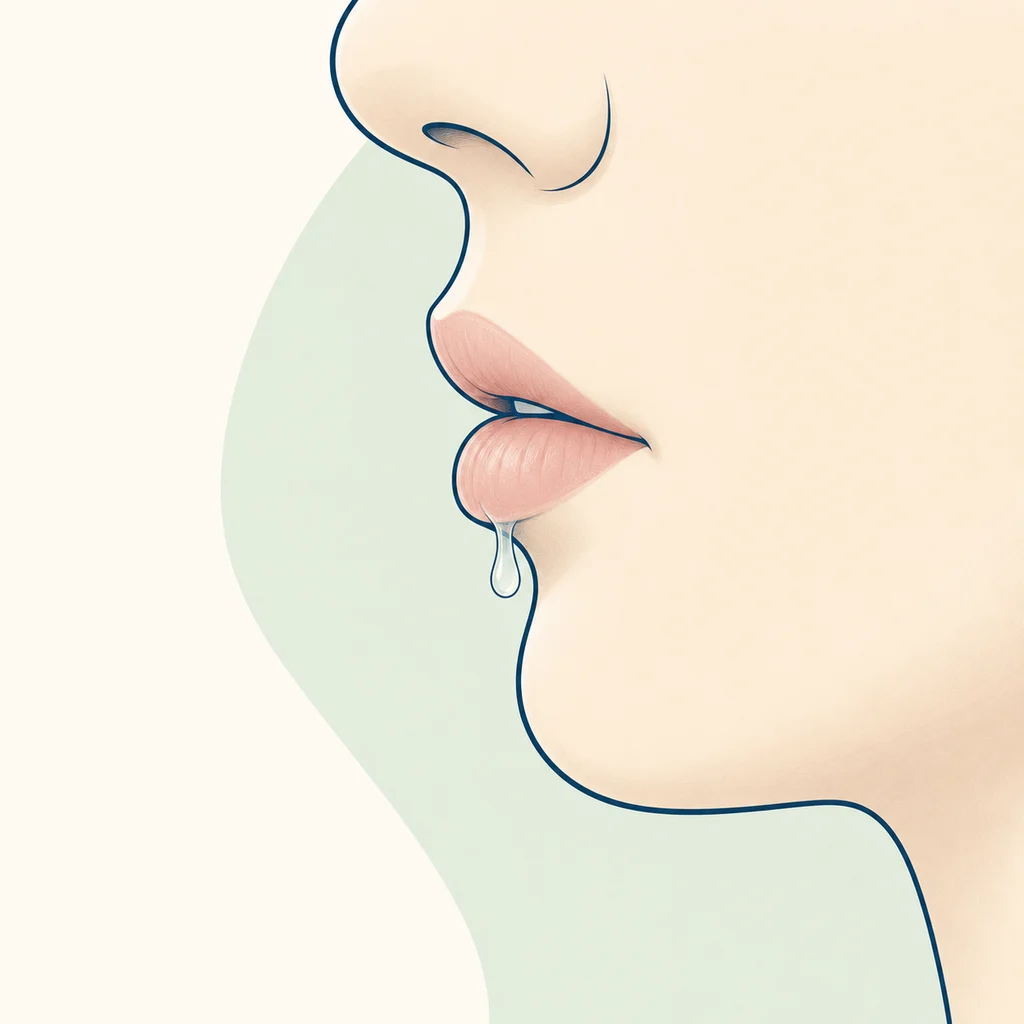
What does excess saliva feel like?
What commonly causes drooling?
Drooling can relate to excess saliva, difficulty swallowing, reduced control of the mouth, or a position that lets saliva escape. It may occur with a health condition or after a change affecting mouth movement. The symptom does not identify one cause by itself.
[1]What relief is safe tonight?
Keep the lips and surrounding skin gently clean and dry, and use careful mouth hygiene. Note when the drooling occurs and whether swallowing, speech, or breathing feels different. Do not place objects in the mouth to block saliva; arrange advice if the symptom is new or worsening.
[2]How is the cause checked?
A clinician asks about onset, medicines, swallowing, mouth movement, sleep, and associated symptoms. They examine the mouth and may assess how saliva is managed. The findings guide whether dental, medical, or other specialist assessment is appropriate.
[1]How is drooling treated?
Treatment follows the cause and the effect on daily life. Care may focus on the condition affecting saliva or swallowing, while oral hygiene protects the teeth and tissues. A clinician chooses the approach after identifying whether production, control, or swallowing is the main issue.
[2]How can you protect the mouth?
Clean the teeth, tongue, and spaces between them regularly, and look after skin that is exposed to saliva. Dental visits help monitor oral health when mouth control or cleaning is difficult. Follow the care plan given for any underlying condition.
[1]When should you arrange an assessment?
Arrange an assessment when drooling is persistent, new, worsening, or difficult to manage. Seek urgent medical help for sudden drooling with trouble breathing, swallowing, speech, or movement. A clinician can direct the next step after examining the pattern.
[1]Frequently asked questions
When is drooling urgent?
Sudden drooling with trouble breathing, swallowing, speech, or movement needs urgent medical help.
[1]