
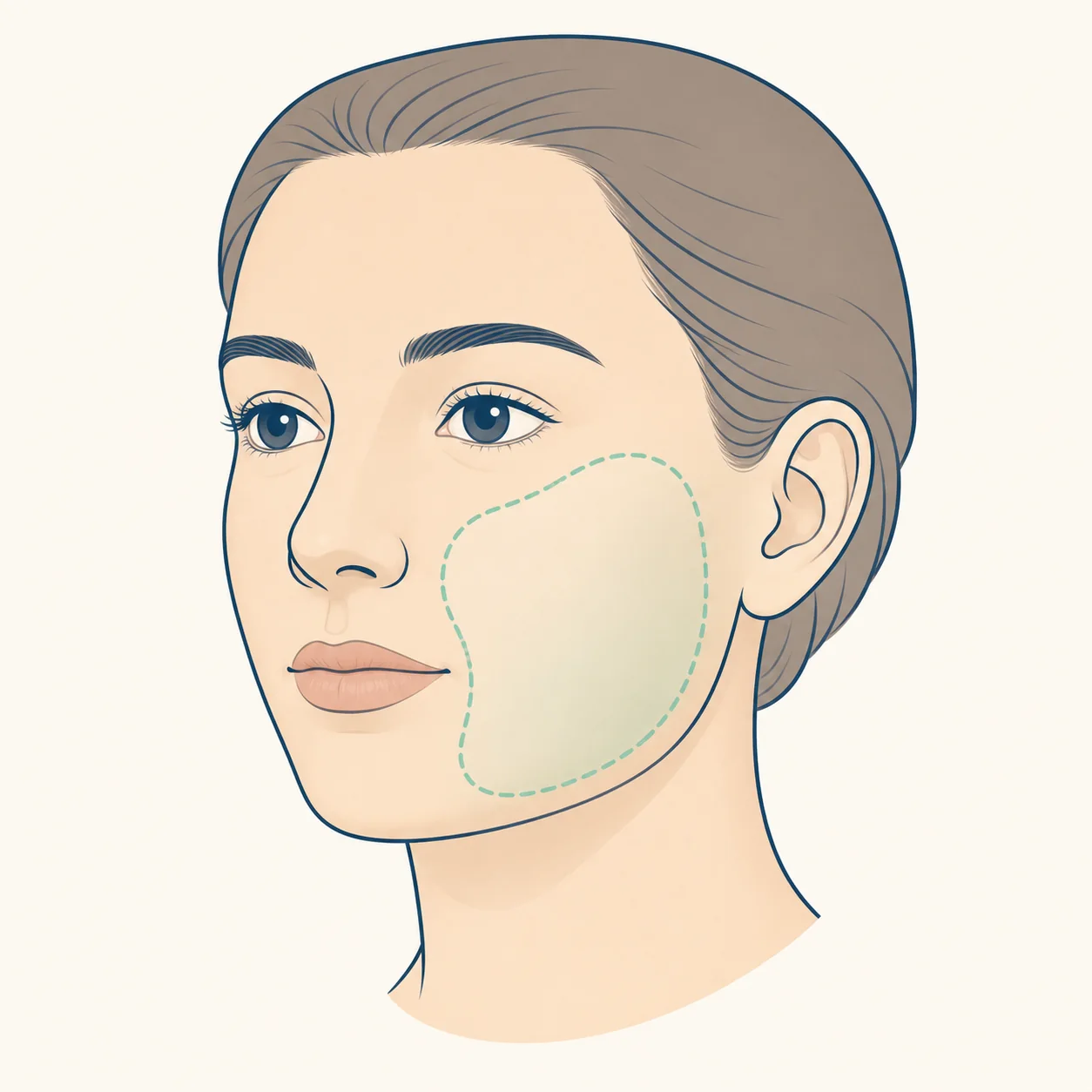
What does a swollen cheek feel like?
| Change | What may be noticed |
|---|---|
| Pain and sensitivity | Intense toothache or gum pain, with sensitivity to hot or cold food and drink[1][2] |
| Mouth and face | Redness inside the mouth or on the face or jaw, plus a swollen face or jaw[1][2] |
| Eating and opening | Difficulty opening the mouth and chewing food[1][2] |
What can cause a swollen cheek?
Dental emergencies can be infectious, traumatic, or post-procedural. Infection can involve bacteria, viruses, or fungi; trauma includes a fractured, loosened, or knocked-out tooth; treatment can also lead to pulpal or periodontal problems.
[1][2]What relief is safe tonight?
Brush with fluoride toothpaste at least twice daily, spit without rinsing afterwards, and clean between the teeth every day with floss or interdental brushes.
[1]How is the cause checked?
How is a swollen cheek treated?
How can you lower the risk?
When can cheek swelling become urgent?
Frequently asked questions
Who wrote this page
This library is published by Dental Nation, a licensed dental group practising in the United Arab Emirates. Pages are written and overseen by the same clinical team that treats patients in our clinics, and are held to a fixed editorial standard for safety and accuracy.
This page is patient education, not medical advice, and cannot replace an examination. Anything urgent — facial swelling, trauma, uncontrolled bleeding or severe pain — needs a dentist or emergency care now.