
Bleeding After a Tooth Extraction
Bleeding after an extraction can mean blood in the saliva, a visible ooze, or bleeding that returns after it seemed to settle.
[3]The short answer
Bleeding after an extraction can mean blood in the saliva, a visible ooze, or bleeding that returns after it seemed to settle. A dental or medical assessment is the right next step when it persists, worsens, or comes with other concerning symptoms.
[3]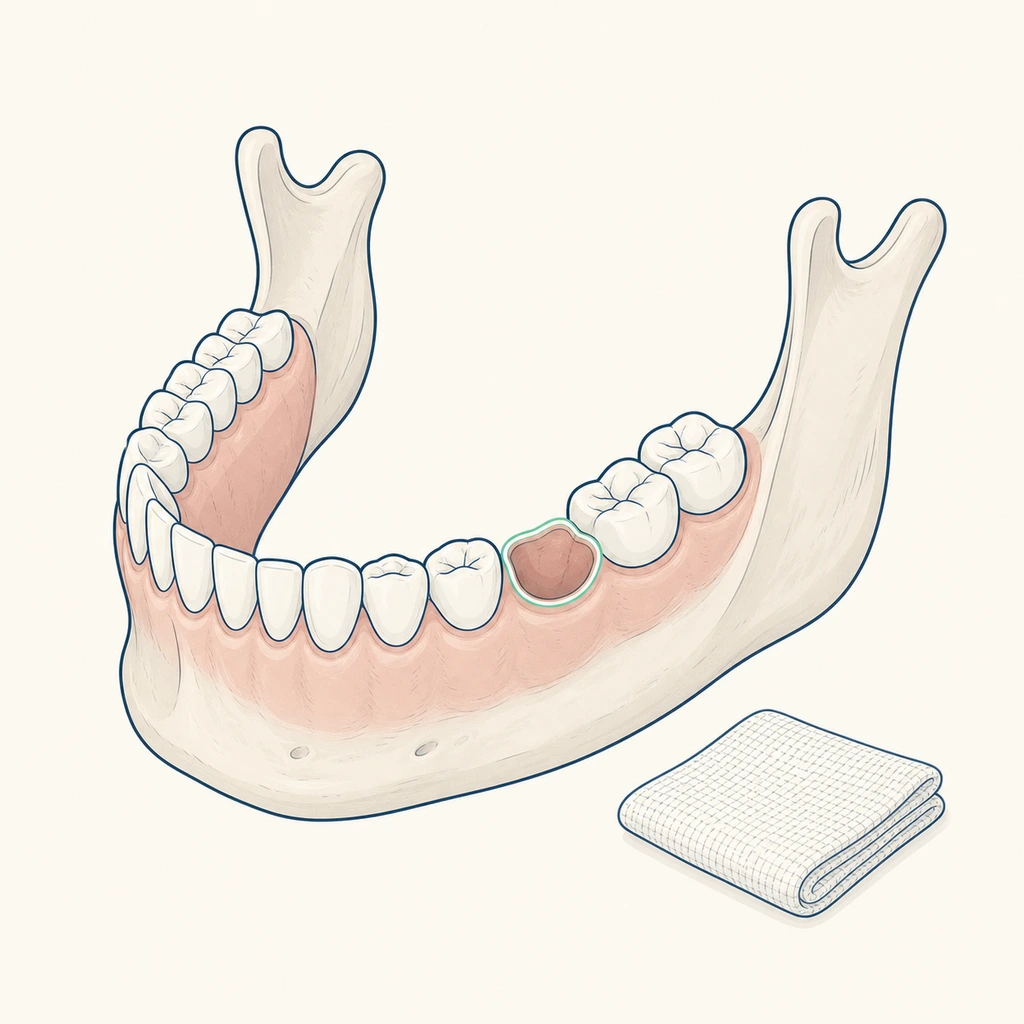
What does it feel like?
| Question | What to notice | Next conversation |
|---|---|---|
| When did it begin? | Bleeding after an extraction can mean blood in the saliva, a visible ooze, or bleeding that returns after it seemed to settle. | Share the timing with a clinician[3] |
| What changed? | A new, persistent, or worsening pattern matters to the assessment. | Describe the change rather than guessing the diagnosis[3] |
What causes it?
The useful distinction is whether the socket is gently oozing or bleeding heavily and persistently. The extraction site, recent activity, and any swelling belong in the same clinical account.
[3]| Question | What to notice | Next conversation |
|---|---|---|
| When did it begin? | The useful distinction is whether the socket is gently oozing or bleeding heavily and persistently. The extraction site, recent activity, and any swelling belong in the same clinical account. | Share the timing with a clinician[3] |
| What changed? | A new, persistent, or worsening pattern matters to the assessment. | Describe the change rather than guessing the diagnosis[3] |
What relief is safe tonight?
How is it checked?
A dental assessment uses the extraction history, what the bleeding looks like, the socket, nearby tissues, and associated symptoms. That examination helps decide whether the situation needs routine or urgent care.
[3]What treatment may help?
How can you reduce the problem?
Follow the written extraction instructions and contact the dental service if the expected course changes. Keeping the aftercare plan available makes it easier to explain what happened and when.
[3]When should you arrange care?
Frequently asked questions
Who wrote this page
This library is published by Dental Nation, a licensed dental group practising in the United Arab Emirates. Pages are written and overseen by the same clinical team that treats patients in our clinics, and are held to a fixed editorial standard for safety and accuracy.
This page is patient education, not medical advice, and cannot replace an examination. Anything urgent — facial swelling, trauma, uncontrolled bleeding or severe pain — needs a dentist or emergency care now.