
What are the types of veneers?
A direct, source-backed answer to “What are the types of veneers”.
[1]The short answer
“What are the types of veneers?”; The main practical categories are laboratory-made ceramic veneers, including porcelain systems, and directly placed composite-resin veneers
[1]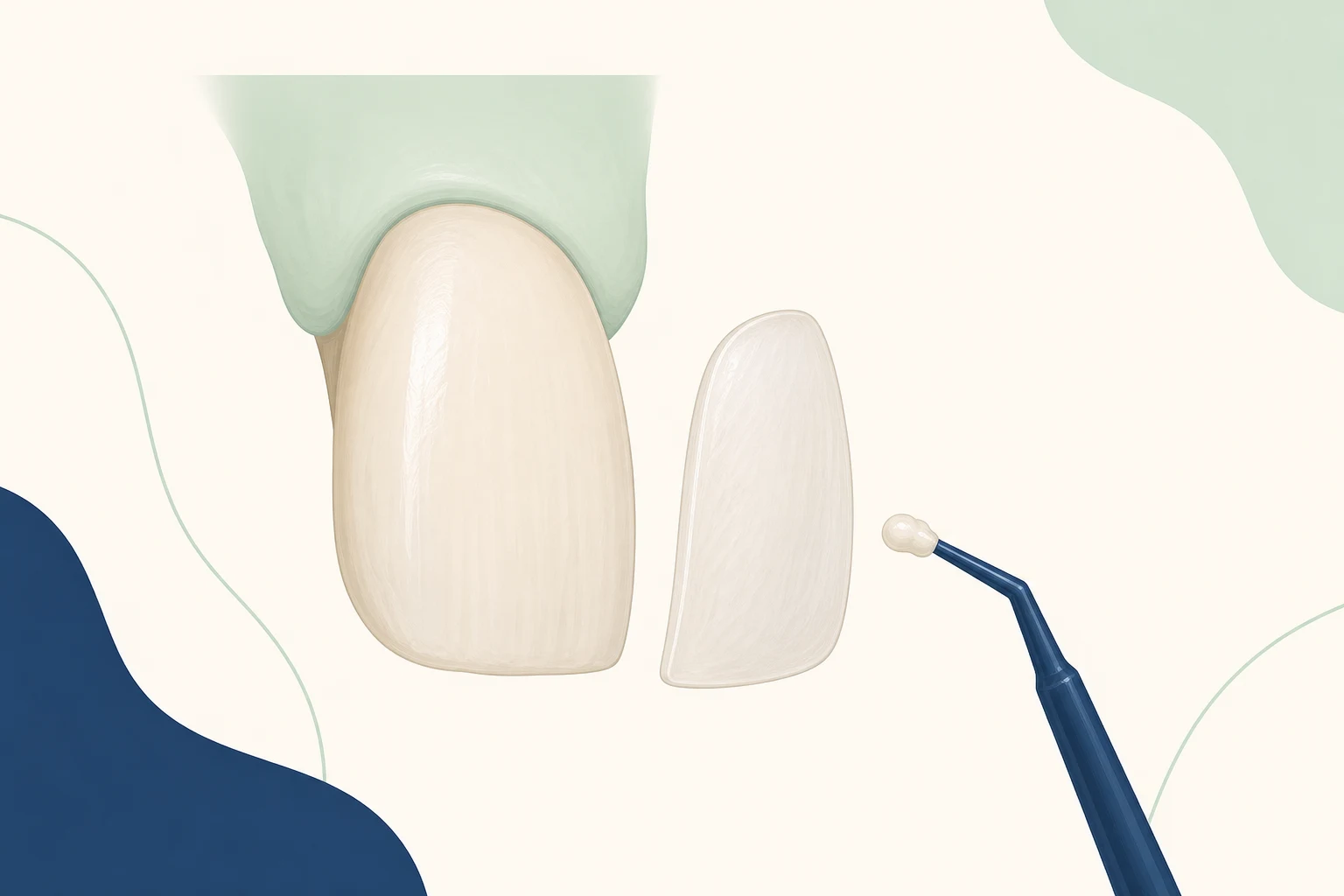
Direct answer: What are the types of veneers
| Answer part | What the research shows |
|---|---|
| Direct answer | “What are the types of veneers?”; The main practical categories are laboratory-made ceramic veneers, including porcelain systems, and directly placed composite-resin veneers.[1] |
| What changes it | A safe answer to “What are the types of veneers?” needs the diagnosis, the relevant tooth or tissue, symptom timing, previous treatment and any medical factor that changes care.[1] |
What changes the answer: What are the types of veneers
A safe answer to “What are the types of veneers?” needs the diagnosis, the relevant tooth or tissue, symptom timing, previous treatment and any medical factor that changes care A veneer conversation should begin with examination of the teeth, gums, existing restorations and bite Decay or active gum disease needs attention before cosmetic payer review
[1]When to get help: What are the types of veneers
Traditional veneer treatment is not reversible because enamel is removed A veneer can chip, crack, loosen or need replacement, and untreated disease can continue beneath or around a restoration Report a rapid change, severe or persistent pain, swelling, trauma, bleeding or difficulty using the treated area as expected Those urgency rules apply to symptoms discussed when answering question “What are the types of veneers?”.
[1][3][4][5]What to ask: What are the types of veneers
When discussing “What are the types of veneers?”, ask why the answer applies to this tooth, tissue or appliance, what remains unknown and how the result will be checked When answering “What are the types of veneers?”, the clinician should also explain how this fact applies: A veneer is a custom covering bonded to the front of a tooth; it differs from a crown, which covers the whole tooth
[1]Related questions: What are the types of veneers
Use the links around “What are the types of veneers?” to examine the diagnosis, active treatment, alternatives and aftercare one decision at a time Bonding may suit a small repair Orthodontic treatment moves teeth rather than covering their position
[1]Decision bridge: What are the types of veneers
A veneer is a custom covering bonded to the front of a tooth; it differs from a crown, which covers the whole tooth After answering “What are the types of veneers?”, compare the general information with the examination findings Continue with guidance about Veneers that matches the diagnosed symptom, condition or treatment before choosing care for “What are the types of veneers?”.
[1]Frequently asked questions
Can this answer replace a dental examination,?
No The main practical categories are laboratory-made ceramic veneers, including porcelain systems, and directly placed composite-resin veneers The written what are the types of veneers plan should state diagnosis, treatment goal and planned follow-up, missing evidence and check responsibility Examination findings determine what applies to one person
[1]What information should I bring to the appointment,?
Bring the symptom timeline, previous dental work, relevant health conditions, medicines and the outcome you want to the what are the types of veneers appointment Preparation depth, bonding, margins, fracture risk and replacement should define diagnosis, treatment goal and planned follow-up in what are the types of veneers
[1]Which change needs a faster call,?
The what are the types of veneers record should explain diagnosis, treatment goal and planned follow-up alongside shade, contour, cleaning and irreversible enamel change Describe any rapid change when you contact the dental team
[1]Who wrote this page
This library is published by Dental Nation, a licensed dental group practising in the United Arab Emirates. Pages are written and overseen by the same clinical team that treats patients in our clinics, and are held to a fixed editorial standard for safety and accuracy.
This page is patient education, not medical advice, and cannot replace an examination. Anything urgent — facial swelling, trauma, uncontrolled bleeding or severe pain — needs a dentist or emergency care now.