
Veneers with bruxism?
A direct, source-backed answer to “Veneers with bruxism”, including what changes the answer and when to contact a dental professional
[1][3]The short answer
“Veneers with bruxism?”; Grinding or clenching can increase loads on veneers and the risk of chipping, debonding or wear The bite, extent of damage and management of the habit need assessment before treatment
[1][3]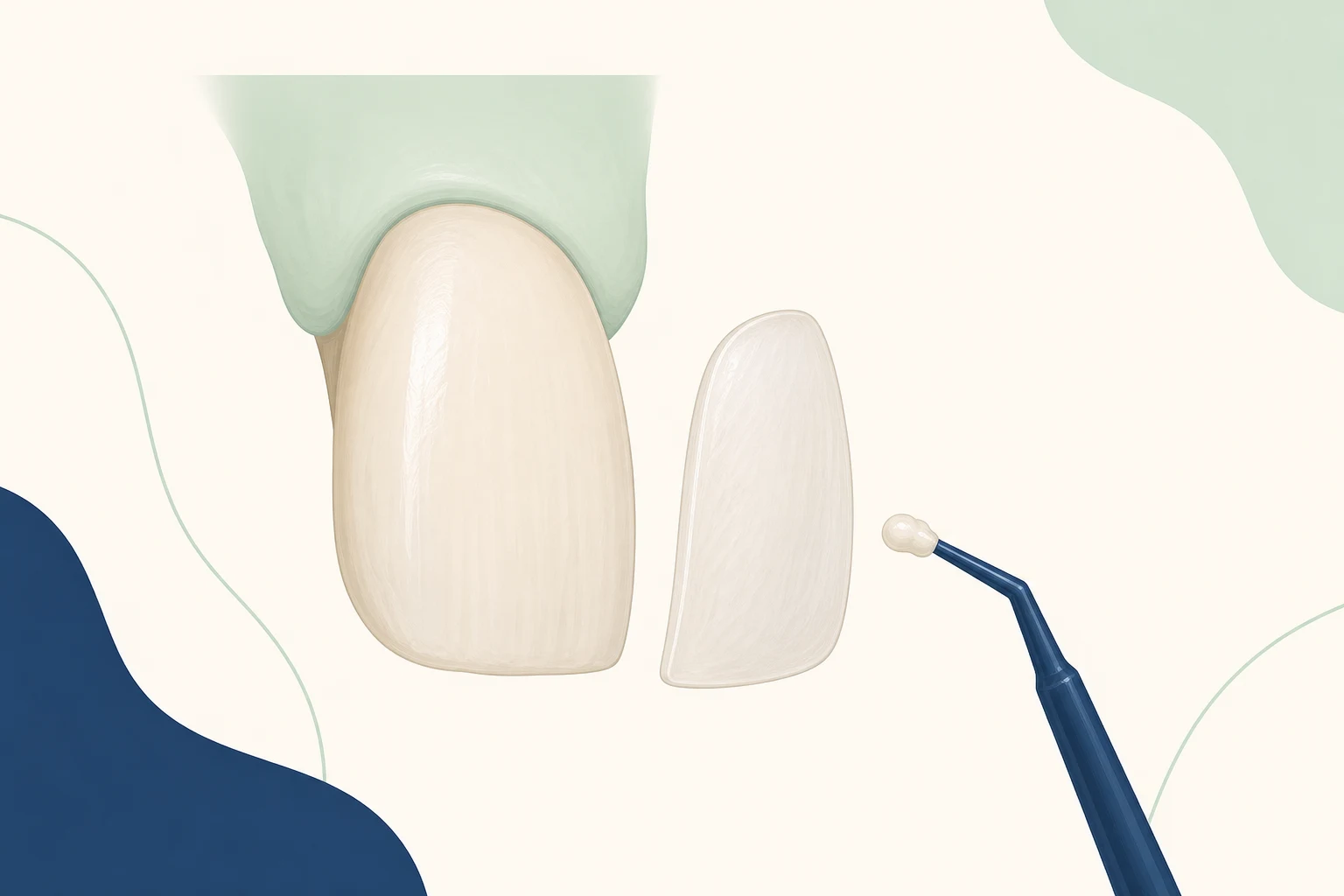
Direct answer: Veneers with bruxism
| Answer part | What the research shows |
|---|---|
| Direct answer | “Veneers with bruxism?”; Grinding or clenching can increase loads on veneers and the risk of chipping, debonding or wear. The bite, extent of damage and management of the habit need assessment before treatment.[1][3] |
| What changes it | Whether the general answer to “Veneers with bruxism?” applies depends on the measured problem, the site involved, previous dental work, health factors and the intended result.[1][3] |
What changes the answer: Veneers with bruxism
Whether the general answer to “Veneers with bruxism?” applies depends on the measured problem, the site involved, previous dental work, health factors and the intended result A veneer conversation should begin with examination of the teeth, gums, existing restorations and bite Decay or active gum disease needs attention before cosmetic payer review
[1][3]When to get help: Veneers with bruxism
Traditional veneer treatment is not reversible because enamel is removed A veneer can chip, crack, loosen or need replacement, and untreated disease can continue beneath or around a restoration Seek earlier advice if symptoms change rapidly, worsen or interfere with eating, cleaning, sleep or normal function Those urgency rules apply to symptoms discussed when answering question “Veneers with bruxism?”.
[1][4][5][6][3]What to ask: Veneers with bruxism
Ask what finding answers “Veneers with bruxism?”, which reasonable options remain, what is uncertain, how follow-up works and which change needs an earlier call When answering “Veneers with bruxism?”, the clinician should also explain how this fact applies: A veneer is a custom covering bonded to the front of a tooth; it differs from a crown, which covers the whole tooth
[7][8][1][3]Related questions: Veneers with bruxism
Decision bridge: Veneers with bruxism
A veneer is a custom covering bonded to the front of a tooth; it differs from a crown, which covers the whole tooth After answering “Veneers with bruxism?”, compare the general information with the examination findings Continue with guidance about Veneers that matches the diagnosed symptom, condition or treatment before choosing care for “Veneers with bruxism?”.
[1][3]Frequently asked questions
Can this answer replace a dental examination,?
No Grinding or clenching can increase loads on veneers and the risk of chipping, debonding or wear The diagnosis, treatment goal and planned follow-up for veneers with bruxism depends on enamel, gums, bite, veneer material and conservative alternatives Examination findings determine what applies to one person
[1]What information should I bring to the appointment,?
Bring the symptom timeline, previous dental work, relevant health conditions, medicines and the outcome you want to the veneers with bruxism appointment Preparation depth, bonding, margins, fracture risk and replacement should define diagnosis, treatment goal and planned follow-up in veneers with bruxism
[1]Which change needs a faster call,?
The veneers with bruxism record should explain diagnosis, treatment goal and planned follow-up alongside shade, contour, cleaning and irreversible enamel change Describe any rapid change when you contact the dental team
[1]Who wrote this page
This library is published by Dental Nation, a licensed dental group practising in the United Arab Emirates. Pages are written and overseen by the same clinical team that treats patients in our clinics, and are held to a fixed editorial standard for safety and accuracy.
This page is patient education, not medical advice, and cannot replace an examination. Anything urgent — facial swelling, trauma, uncontrolled bleeding or severe pain — needs a dentist or emergency care now.