
Sleeping with dentures?
Sleeping with dentures can affect tissue rest, hygiene and fit, so ask the dental team whether they should be removed overnight
[1]The short answer
Dentures are usually removed before sleeping The ADA recommends removing dentures at night Wearing them around the clock does not give the gum tissue time to rest and recover from daytime pressure Nightly removal also allows thorough cleaning of both the denture and the gums Store the denture in water or a soaking solution overnight to prevent the material from drying out and warping
[1]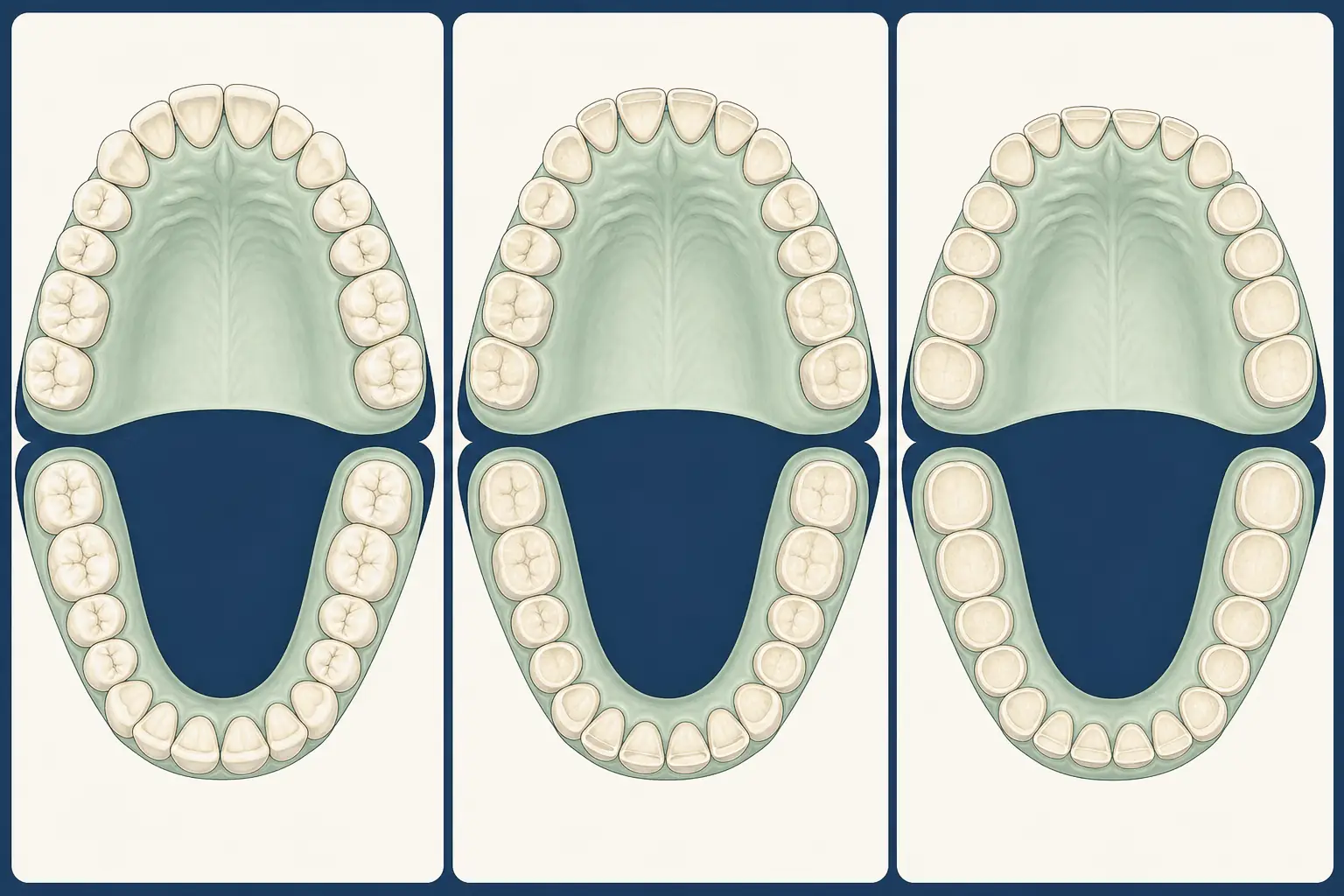
Direct answer
What changes the answer
Denture care can lead to a different answer depending on the tooth involved, duration, triggers, examination findings and previous treatment Full dentures replace all teeth in an upper or lower arch A conventional full denture is made and placed after the remaining teeth are removed and the tissues have healed, a process that may take several months
[1]When to get help
Denture care needs faster dental care when symptoms are severe, worsening or linked with swelling, fever, trauma or bleeding A loose or broken crown, bridge or denture needs dental advice, particularly when it causes pain, a sharp edge, oral injury or loss of function NHS urgent-care guidance includes displaced crowns and bridges and fractured or ill-fitting dentures among problems that may need unscheduled care
[2][3]| Stage | Source-backed step |
|---|---|
| When to get help | Denture care needs faster dental care when symptoms are severe, worsening or linked with swelling, fever, trauma or bleeding.[2][3] |
| Decision step | For denture care, ask which finding explains the recommendation, what should happen next and which change should prompt an earlier call.[1][2] |
What to ask
For denture care, ask which finding explains the recommendation, what should happen next and which change should prompt an earlier call New dentures feel bulky and foreign at first Sore spots develop where the denture presses harder on specific areas of gum tissue, and this is a normal part of the adjustment period
[1][2]Frequently asked questions
Is it safe to sleep with dentures,?
Dental guidance generally advises removing dentures before sleeping so that gum tissue can rest No; the ADA advises taking dentures out before going to sleep Sleeping in dentures means the gum tissue does not have time to rest and recover from pressure applied during the day Thorough cleaning of the denture and gums becomes practical when they are removed each night To help prevent warping, keep the denture in water or a soaking solution overnight so the material does not dry out
[1]What information should I take to a dental appointment about denture care,?
Note when the issue began, what changes it, previous treatment, relevant health conditions, allergies and medicines Note whether full dentures replace all teeth in an upper or lower arch Bring any records you have and ask what the examination still needs to establish
[1]When should I seek faster care for denture care,?
Seek dental advice sooner if your denture becomes loose, breaks, develops a sharp edge, or causes pain, an oral injury or loss of function NHS urgent-care guidance sets out fractured or ill-fitting dentures; alongside displaced crowns and bridges; as problems that may warrant unscheduled rather than routine care Contact a dental team sooner when pain, swelling, fever, trauma or bleeding is severe, worsening or disrupting normal function
[2][3]Who wrote this page
This library is published by Dental Nation, a licensed dental group practising in the United Arab Emirates. Pages are written and overseen by the same clinical team that treats patients in our clinics, and are held to a fixed editorial standard for safety and accuracy.
This page is patient education, not medical advice, and cannot replace an examination. Anything urgent — facial swelling, trauma, uncontrolled bleeding or severe pain — needs a dentist or emergency care now.