
Do veneers look natural?
Whether veneers match surrounding teeth depends on the coordinated design of shade, translucency, contour, gum levels and tooth proportions; clenching habits.
[1]The short answer
Veneers can achieve a natural appearance when shade, translucency, contour, tooth proportions and gum levels are designed as a coordinated set, though material selection, preparation depth and fabrication method each influence the final outcome
[1]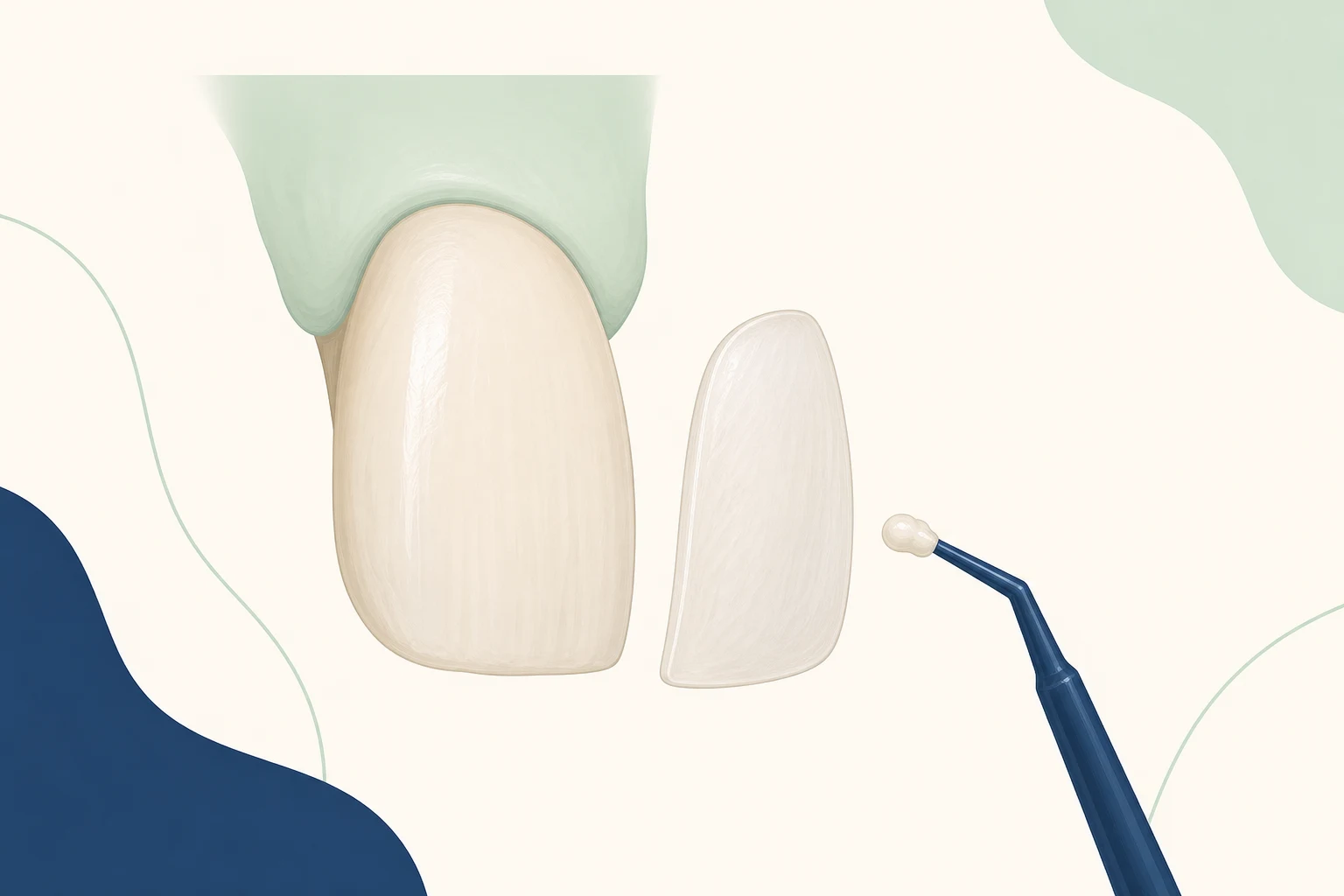
Designing shade, translucency and contour as a unified plan
| Answer part | What the research shows |
|---|---|
| Direct answer | Veneers can achieve a natural appearance when shade, translucency, contour, tooth proportions and gum levels are designed as a coordinated set, though material selection, preparation depth and fabrication method each influence the final ou…[1] |
| What changes it | The starting diagnosis, the exact tooth or area involved, dental and medical history, previous treatment and the chosen technique all change whether veneers will achieve a natural result.[1] |
Habits and diagnosis factors that alter the cosmetic result
The starting diagnosis, the exact tooth or area involved, dental and medical history, previous treatment and the chosen technique all change whether veneers will achieve a natural result Clenching, grinding and a pronounced overbite affect both suitability and long-term maintenance, because they apply forces the bonded surface was not engineered to absorb Digital simulations and photographs can help communicate a proposed plan, but they do not replace clinical examination or a patient's informed consent before enamel is reduced
[1]Post-placement signs that require a return visit
New pain, swelling, a bite that feels altered, or a veneer that shifts under pressure all warrant a return assessment Swelling that interferes with breathing, swallowing or speaking is a dental emergency that cannot wait for a scheduled appointment Worsening discomfort, restricted chewing ability or a damaged restoration are reasons to contact the clinic without delay
[1][3][4][5]| Stage | Source-backed step |
|---|---|
| When to get help | New pain, swelling, a bite that feels altered, or a veneer that shifts under pressure all warrant a return assessment.[1][3][4][5] |
| Decision step | Before enamel is reduced, ask for a plain-language explanation of the diagnosis, the treatment proposed, which alternatives were assessed and what current evidence supports.[1] |
Questions to ask before enamel preparation is committed
Before enamel is reduced, ask for a plain-language explanation of the diagnosis, the treatment proposed, which alternatives were assessed and what current evidence supports Understanding the scope of the irreversible step and a realistic replacement timeline helps set accurate expectations A veneer is bonded to the front surface of a tooth; a crown, by contrast, encircles the whole tooth and is indicated when structural repair rather than surface improvement is the primary clinical goal
[1]Frequently asked questions
How do porcelain and composite differ in long-term appearance,?
Laboratory-fabricated porcelain holds its shade and surface texture longer under normal dietary and occlusal demands than direct composite, which can gradually stain or develop surface wear The material choice also affects preparation depth and whether any reversibility of the tooth surface remains after placement
[1]Why do digital simulations not confirm suitability on their own,?
Design software shows a projected shape and shade but cannot assess gum health, periodontal bone support, load distribution during biting, or the optical behaviour of adjacent teeth in three dimensions Clinical records and examination, not projected images, determine whether the plan is clinically sound
[1]Does grinding affect how natural a veneer looks after years of use,?
Sustained occlusal load increases chipping and debonding risk, gradually degrading the bonded surface A protective night appliance reduces force on veneers for patients with a confirmed parafunctional habit, and bite evaluation before proceeding is part of responsible treatment planning
[1]Who wrote this page
This library is published by Dental Nation, a licensed dental group practising in the United Arab Emirates. Pages are written and overseen by the same clinical team that treats patients in our clinics, and are held to a fixed editorial standard for safety and accuracy.
This page is patient education, not medical advice, and cannot replace an examination. Anything urgent — facial swelling, trauma, uncontrolled bleeding or severe pain — needs a dentist or emergency care now.