
Dental sealants for kids pros and cons
Dental sealants are thin resin or glass-based coatings placed in deep chewing grooves to reduce plaque retention, with limits and maintenance needs.
The short answer
Dental sealants are thin protective coatings placed in the grooves of back teeth to block plaque-retaining pits, but they do not replace brushing, fluoride, or dental examinations.
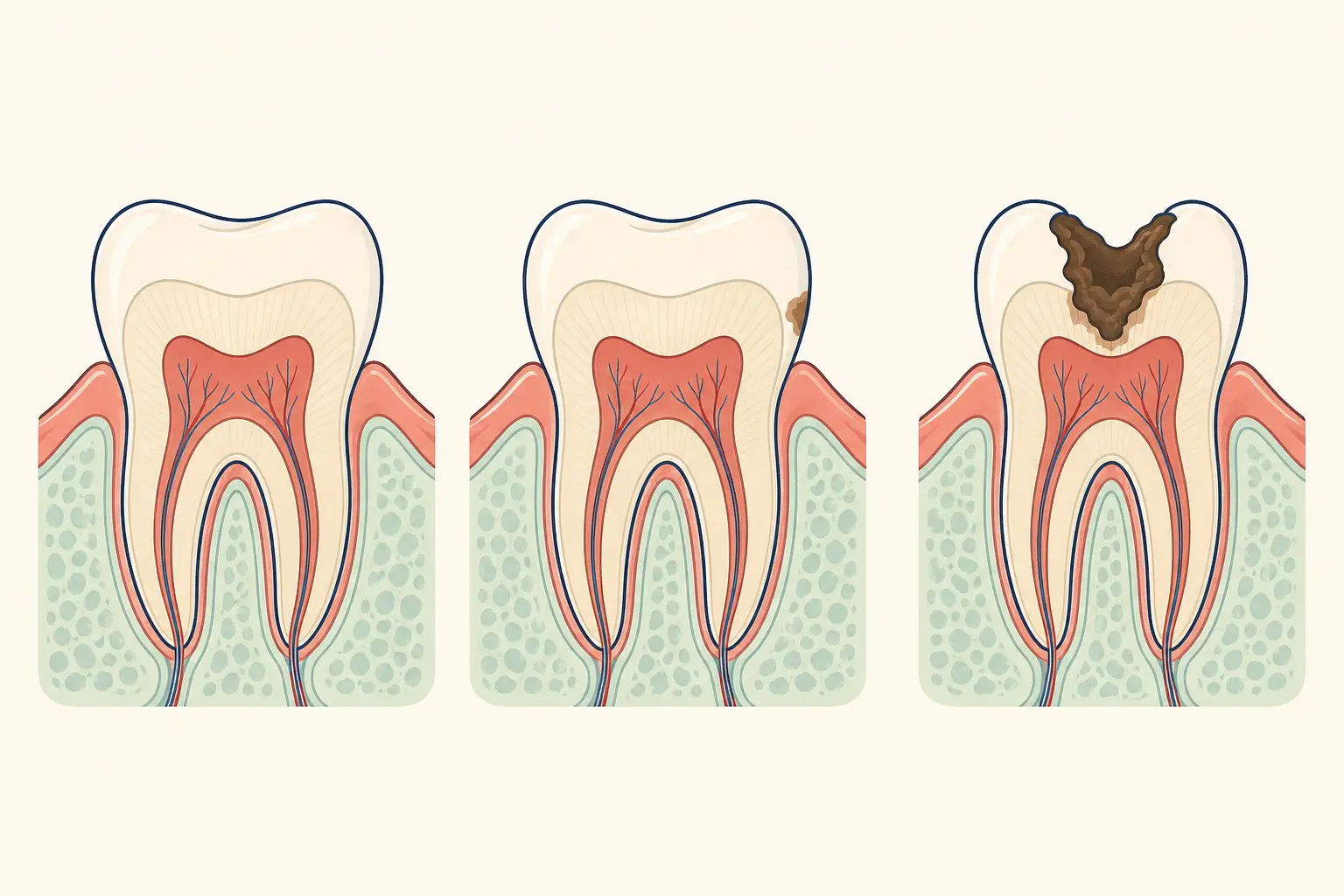
How are sealants placed into pits and fissures?
A dentist cleans and dries the chewing surface, conditions it when appropriate, and flows the sealant into pits and fissures before curing or setting it. The material creates a smoother barrier, while the dentist checks the bite and sealant edges.
What daily care is still needed after sealant placement?
Keep brushing twice daily with fluoride toothpaste, clean between teeth, and attend scheduled examinations after placement. Tell the dental team if a sealant feels rough, high when biting, chipped, or missing so it can be repaired or replaced.
When should a child’s deep grooves be assessed?
Ask for an assessment when a child has deep grooves, frequent plaque retention, early enamel changes, or difficulty cleaning newly erupted molars. Arrange care for toothache, sensitivity, a visible hole, swelling, or a sealant that has failed.
Which teeth are suitable for sealants in your child?
Ask which teeth have suitable grooves, whether any decay must be treated first, and which sealant material is recommended. Ask how the sealant will be checked, what signs of loss to watch for, and how it fits with fluoride and brushing.
Frequently asked questions
Do sealants hurt?
Placement is generally a surface procedure without drilling when the groove is suitable, but the dentist must assess each tooth first.
Can a sealed tooth still get decay?
Yes. Sealants can wear or develop gaps, and decay can occur elsewhere, so brushing and examinations remain necessary.
Keep reading
Who wrote this page
This library is published by Dental Nation, a licensed dental group practising in the United Arab Emirates. Pages are written and overseen by the same clinical team that treats patients in our clinics, and are held to a fixed editorial standard for safety and accuracy.
This page is patient education, not medical advice, and cannot replace an examination. Anything urgent — facial swelling, trauma, uncontrolled bleeding or severe pain — needs a dentist or emergency care now.