
Crown fell off what now?
What to do immediately when a dental crown falls off, and when to call your dentist
[1]The short answer
When a crown comes off, store it safely, avoid biting on that tooth, and contact a dentist promptly so the exposed tooth structure is not left unprotected Keep the crown in a safe place and contact your dentist as soon as possible Do not try to glue it back with household adhesives The tooth underneath is exposed and may be sensitive until the crown is professionally recemented or replaced Bring the crown with you so the dentist can assess whether recementation is possible or a new crown is needed
[1]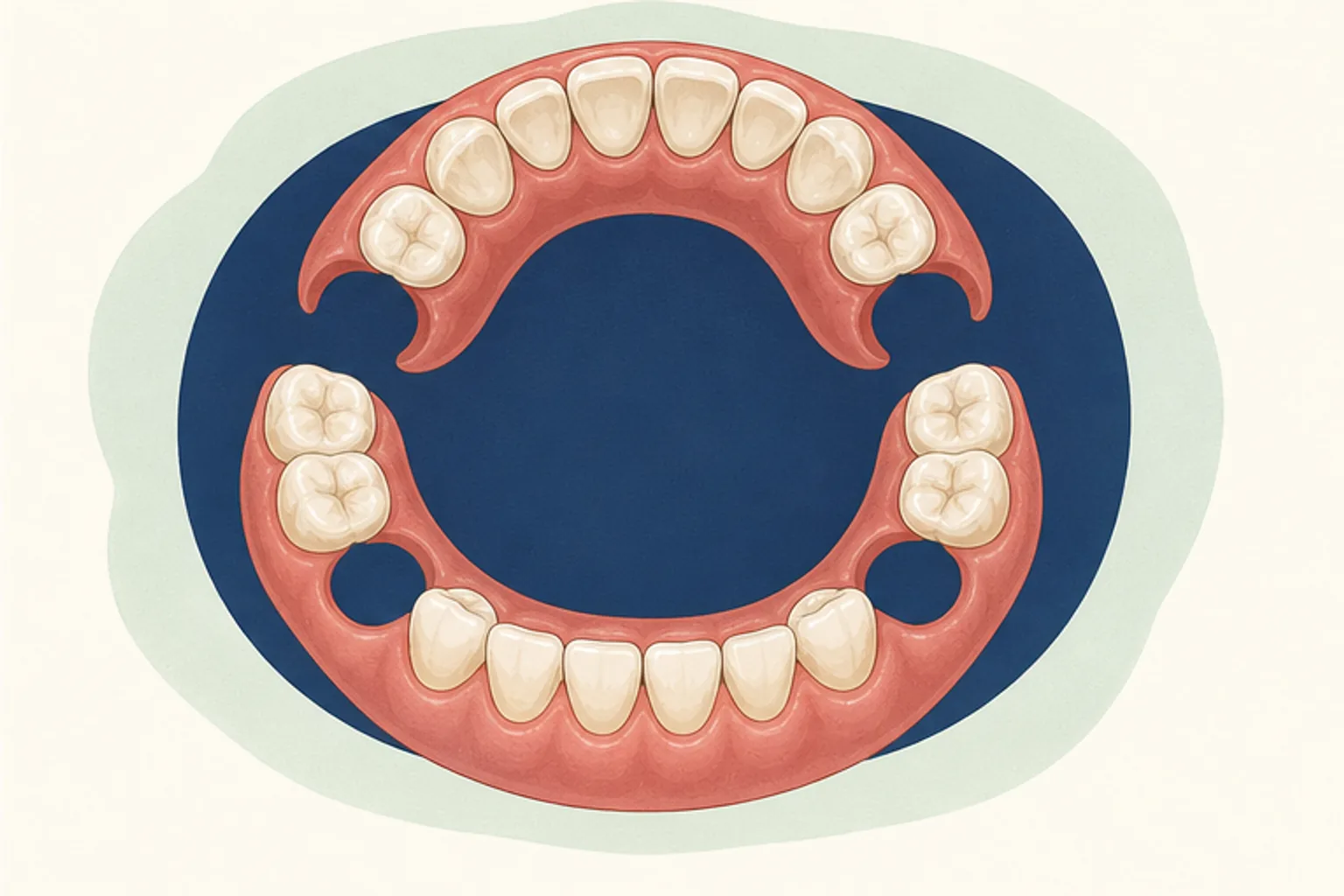
Direct answer
| Answer part | What the research shows |
|---|---|
| Direct answer | When a crown comes off, store it safely, avoid biting on that tooth, and contact a dentist promptly so the exposed tooth structure is not left unprotected.[1] |
| What changes it | Restorative treatment can lead to a different answer depending on the tooth involved, duration, triggers, examination findings and previous treatment.[1] |
What changes the answer
Restorative treatment can lead to a different answer depending on the tooth involved, duration, triggers, examination findings and previous treatment A crown covers a tooth to restore its shape, size, strength or appearance The ADA lists several reasons a dentist may recommend one: strengthening a tooth that has a large filling and too little structure to hold another filling, protecting a weak tooth from breaking, restoring a tooth that is already broken, attaching a bridge, covering a dental implant or changing the appearance of a badly shaped or discoloured tooth
[1]When to get help
Restorative treatment needs faster dental care when symptoms are severe, worsening or linked with swelling, fever, trauma or bleeding A loose or broken crown, bridge or denture needs dental advice, particularly when it causes pain, a sharp edge, oral injury or loss of function NHS urgent-care guidance includes displaced crowns and bridges and fractured or ill-fitting dentures among problems that may need unscheduled care
[3][4]| Stage | Source-backed step |
|---|---|
| When to get help | Restorative treatment needs faster dental care when symptoms are severe, worsening or linked with swelling, fever, trauma or bleeding.[3][4] |
| Decision step | For restorative treatment, ask which finding explains the recommendation, what should happen next and which change should prompt an earlier call.[1][2] |
What to ask
For restorative treatment, ask which finding explains the recommendation, what should happen next and which change should prompt an earlier call Crown planning starts by confirming why the tooth needs payer review and whether it can support the proposed restoration Indirect restorations are made outside the mouth from records of the prepared tooth; the ADA notes that fabrication may take place in a laboratory or, with some digital systems, in the dental office
[1][2]Frequently asked questions
What should I do if my dental crown has fallen off,?
A crown that has come loose or fallen out should be kept safe and a dentist contacted as soon as possible to assess what needs to happen next Keep the dislodged crown safely and contact your dentist as soon as possible Do not reattach the crown using household glue or any non-dental adhesive With the underlying tooth now exposed and potentially sensitive, professional recementing or replacement is needed to restore its protection Taking the detached crown to your appointment allows the dentist to evaluate whether recementation is viable or whether a replacement crown is necessary
[1]What information should I take to a dental appointment about restorative treatment,?
Note when the issue began, what changes it, previous treatment, relevant health conditions, allergies and medicines A crown is a tooth-shaped cap fitted over a tooth to rebuild its shape, size, strength or appearance; context that helps frame what to discuss at the appointment Bring any records you have and ask what the examination still needs to establish
[1]When should I seek faster care for restorative treatment,?
Seek dental advice promptly for a loose or broken crown, bridge or denture, especially if it causes pain, a sharp edge, injury inside the mouth or loss of function For restorative-treatment urgency, NHS guidance sets out displaced crowns or bridges and fractured or ill-fitting dentures as problems that may need unscheduled care Contact a dental team sooner when pain, swelling, fever, trauma or bleeding is severe, worsening or disrupting normal function
[3][4]Who wrote this page
This library is published by Dental Nation, a licensed dental group practising in the United Arab Emirates. Pages are written and overseen by the same clinical team that treats patients in our clinics, and are held to a fixed editorial standard for safety and accuracy.
This page is patient education, not medical advice, and cannot replace an examination. Anything urgent — facial swelling, trauma, uncontrolled bleeding or severe pain — needs a dentist or emergency care now.