Dental Nation
Treatment comparison

Anxiety management options

Nitrous oxide and oxygen can manage dental pain and anxiety, while IV sedation is a different sedation option with its own precautions.

[1][2]

The short answer

Nitrous oxide and oxygen can manage pain and anxiety in dentistry, while intravenous sedation is a separate advanced sedation option.

[1][2]

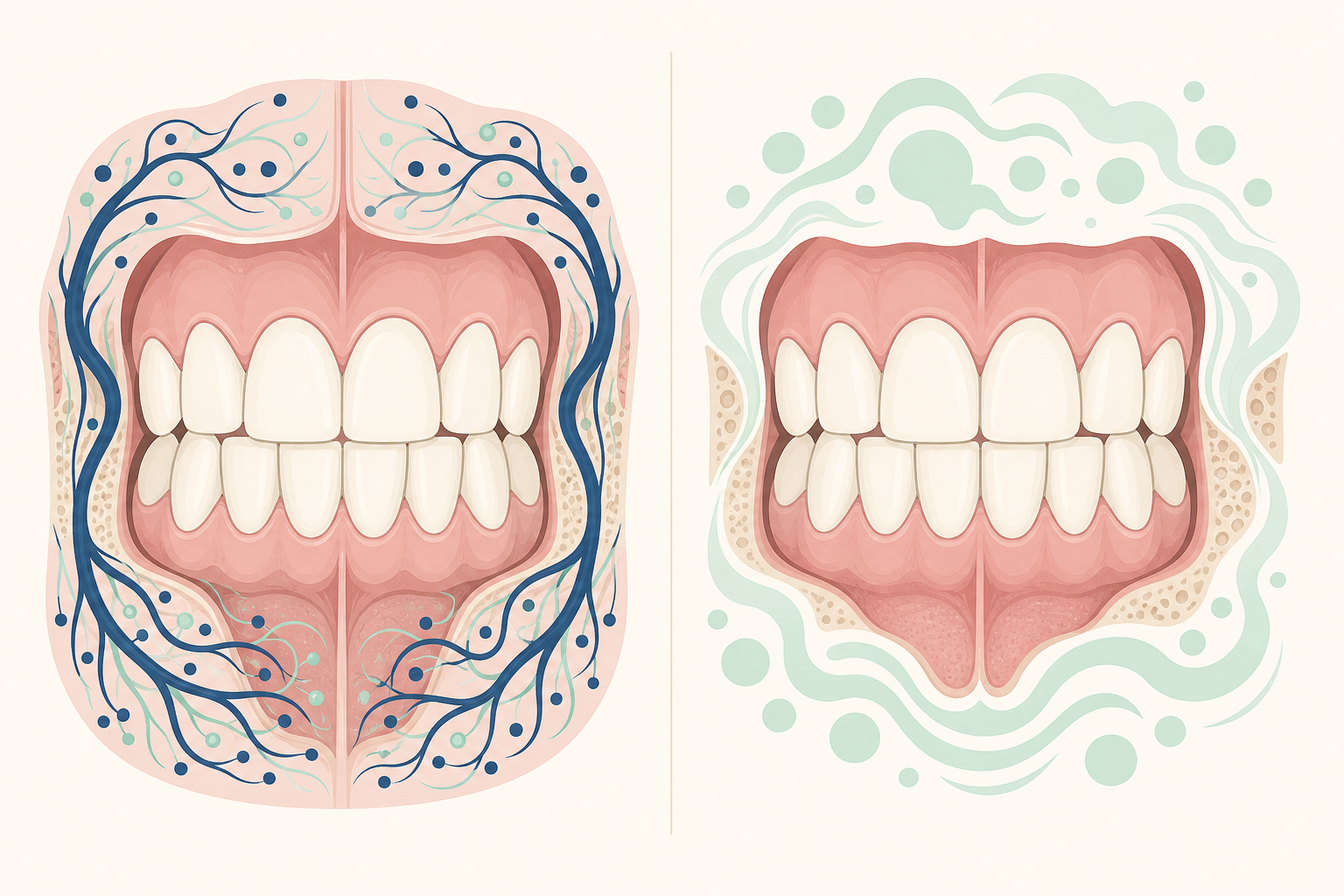
Anxiety management options comparison graphic

The two options, side by side

Illustrative diagram: iv sedation vs nitrous oxide sedation
Illustration — a representative diagram, not a patient photo.
The DN First Look799 AED
Book The DN First Look

How do IV sedation and nitrous oxide differ?

The two methods are delivered differently
OptionEvidence stated for it
Nitrous oxide and oxygenAn inhaled combination used to manage pain and anxiety[1][2]
Intravenous sedationA separate sedative technique included in comparisons with nitrous oxide[3]

[1][2][3]

When is nitrous oxide the option being considered?

Nitrous oxide-oxygen inhalation is used for dental pain and anxiety. Its delivery equipment has audio and visual safety features, and the oxygen fail-safe turns off nitrous oxide if oxygen delivery is compromised or depleted.

[1][2][3]

When is IV sedation the comparison option?

IV sedation is a comparator in the evidence on dental sedation techniques. The systematic review assessed patient satisfaction, recall of tooth extraction, and successful completion of procedures across nitrous oxide and other techniques.

[3]

What has been compared?

The review did not find statistically significant differences between nitrous oxide and other sedative techniques across the outcomes it evaluated. It also reported that safety could not be adequately assessed because none of the included studies systematically investigated it.

[3]

What safety systems support nitrous oxide delivery?

Nitrous oxide delivery systems include at least 12 audio and visual safety features. The oxygen fail-safe is designed to stop nitrous oxide when the oxygen supply is compromised or depleted.

[1][2][3]
Two named nitrous oxide safeguards
SafeguardFunction
Audio and visual safety featuresHelp avoid adverse events during administration[1][2][3]
Oxygen fail-safeTurns off nitrous oxide if oxygen delivery is compromised or depleted[1][2]

[1][2][3]

What safety limits should be understood?

Appropriate administration, system maintenance, ventilation, and work practices are part of safe nitrous oxide use. Chronic occupational exposure to unscavenged nitrous oxide has been associated with adverse health effects.

[1][2][3]

When might another approach be used?

Dental care can use other sedative agents and techniques, and the review compared nitrous oxide with those alternatives. The choice must account for the procedure and the patient’s sedation needs.

[3]

What is the practical decision framework?

The comparison starts with the anxiety and pain-management need, then considers the delivery method, safety precautions, and the evidence outcomes that matter for the planned procedure.

[1][2]

Frequently asked questions

Does nitrous oxide have built-in oxygen protection?

The oxygen fail-safe is designed to turn off the nitrous oxide supply when oxygen delivery is compromised or depleted.

[1][2]