
Anxiety management options
Nitrous oxide and oxygen can manage dental pain and anxiety, while IV sedation is a different sedation option with its own precautions.
[1][2]The short answer
Nitrous oxide and oxygen can manage pain and anxiety in dentistry, while intravenous sedation is a separate advanced sedation option.
[1][2]
The two options, side by side
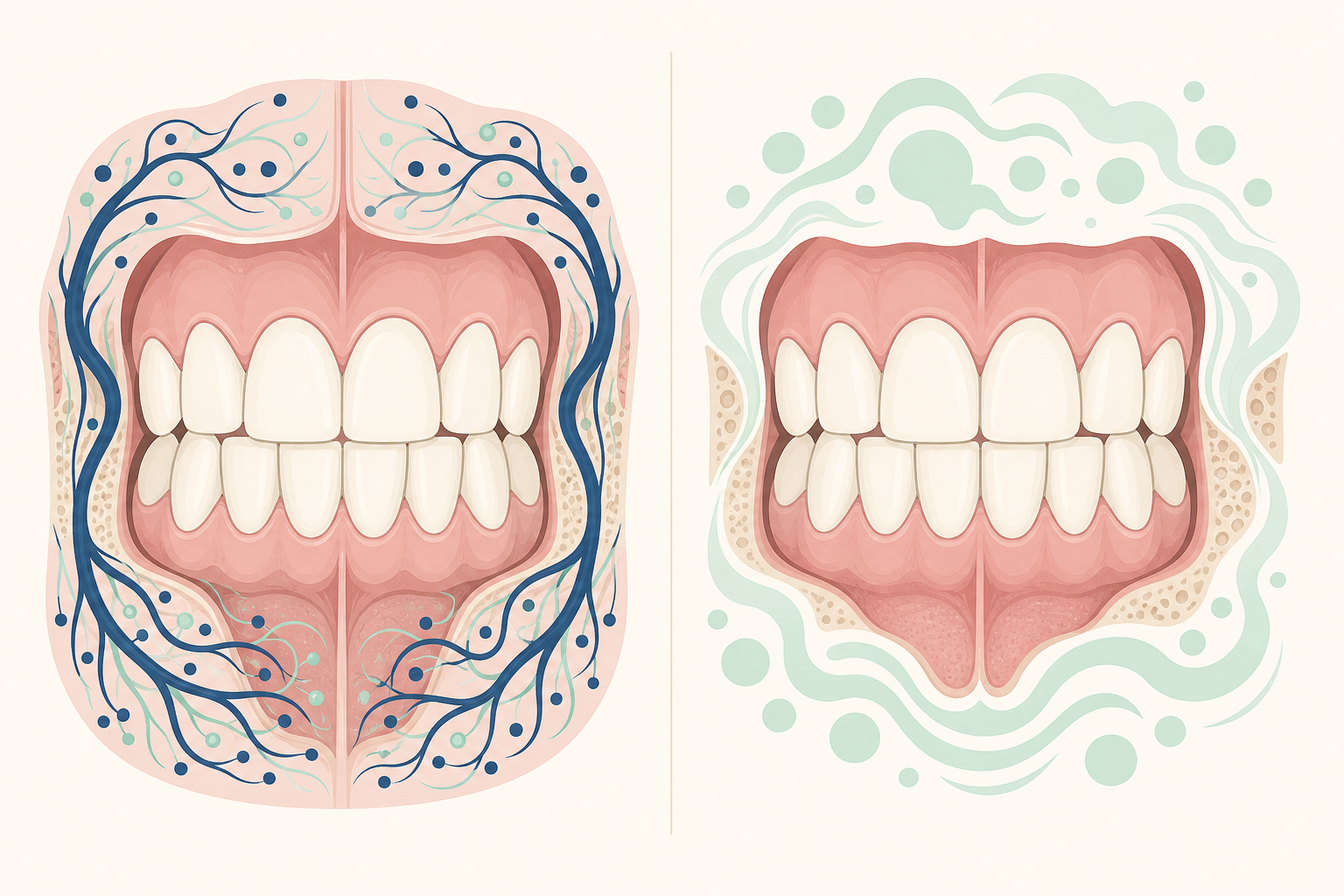
How do IV sedation and nitrous oxide differ?
When is nitrous oxide the option being considered?
When is IV sedation the comparison option?
IV sedation is a comparator in the evidence on dental sedation techniques. The systematic review assessed patient satisfaction, recall of tooth extraction, and successful completion of procedures across nitrous oxide and other techniques.
[3]What has been compared?
The review did not find statistically significant differences between nitrous oxide and other sedative techniques across the outcomes it evaluated. It also reported that safety could not be adequately assessed because none of the included studies systematically investigated it.
[3]What safety systems support nitrous oxide delivery?
What safety limits should be understood?
When might another approach be used?
Dental care can use other sedative agents and techniques, and the review compared nitrous oxide with those alternatives. The choice must account for the procedure and the patient’s sedation needs.
[3]What is the practical decision framework?
Frequently asked questions
Who wrote this page
This library is published by Dental Nation, a licensed dental group practising in the United Arab Emirates. Pages are written and overseen by the same clinical team that treats patients in our clinics, and are held to a fixed editorial standard for safety and accuracy.
This page is patient education, not medical advice, and cannot replace an examination. Anything urgent — facial swelling, trauma, uncontrolled bleeding or severe pain — needs a dentist or emergency care now.