Oral cancer screening at Dental Nation is a structured diagnostic protocol focused on early detection of abnormal tissue changes. Using advanced visualization and assessment tools, we examine the lips, tongue, cheeks, floor of mouth, and throat to identify suspicious lesions, ensuring timely referral, intervention, and improved prognostic outcomes.
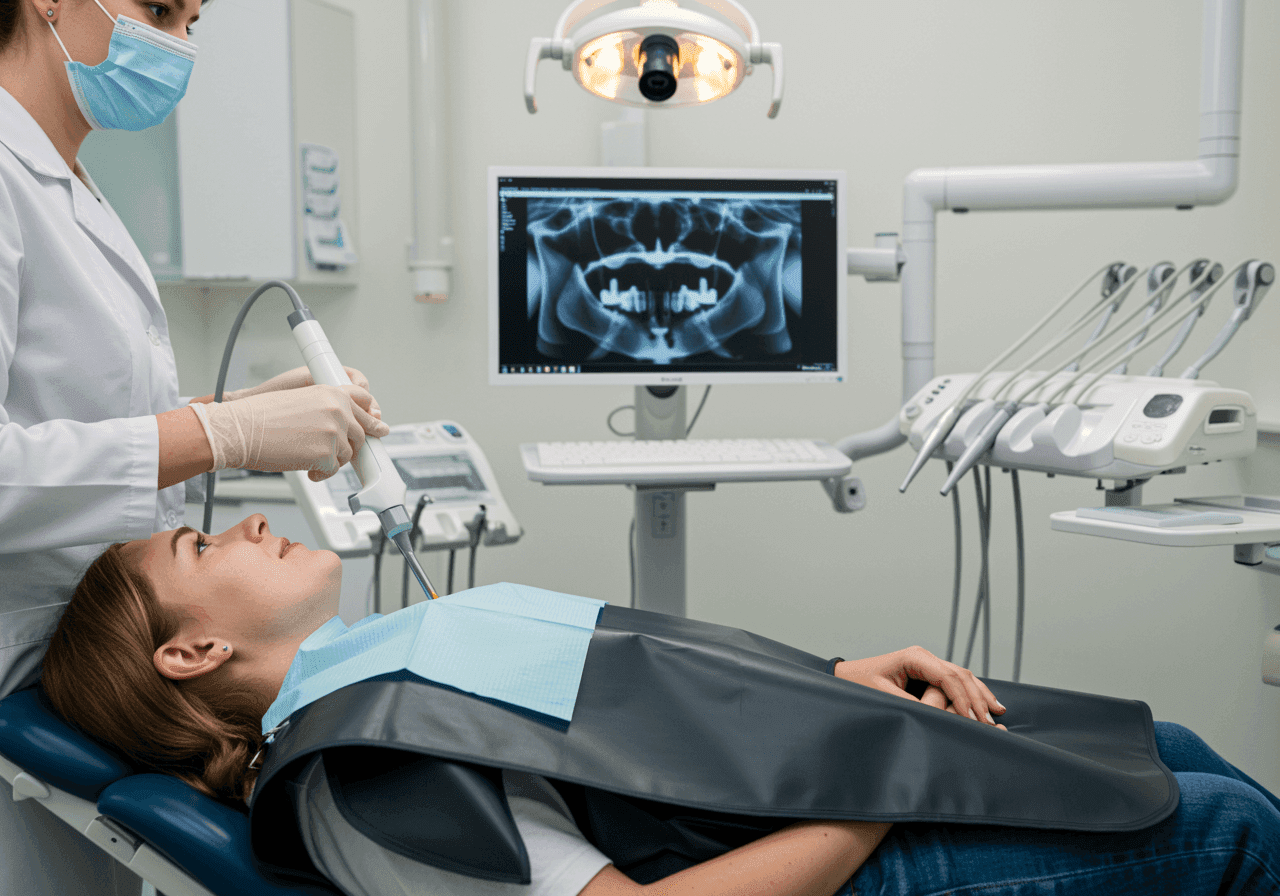
Patients may present without visible symptoms yet carry undetected tissue abnormalities. Through systematic screening, early lesions can be identified before progression. Early-stage detection significantly improves treatment success rates, reduces complications, and provides peace of mind supported by proactive monitoring and specialist collaboration when required.


Have concerns about your oral health or family history? Book an online consultation with our specialists to discuss your risks and the importance of regular cancer screenings.
Visual Examination A comprehensive inspection of oral tissues, including tongue, cheeks, palate, gums, and throat, to detect discoloration, ulcers, or unusual growth patterns that may indicate abnormal cellular activity.
Tactile Assessment Gentle palpation of oral and cervical tissues to identify lumps, thickened areas, or structural irregularities not visible during routine inspection.
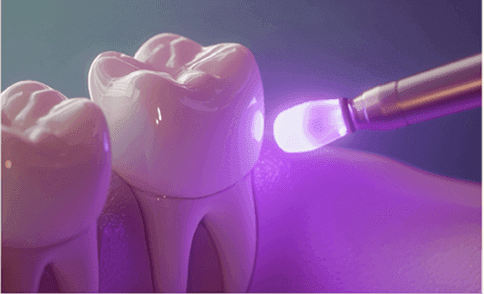
Advanced Diagnostic Tools Fluorescence-based screening, digital imaging, and biopsy guidance are utilized when suspicious findings appear, supporting accurate diagnosis and timely referral for specialized management.

Concerned about your oral health? Book an online consultation with our specialists to discuss your symptoms and receive expert guidance on whether you need a screening.
Early oral cancer detection significantly improves survival outcomes and minimizes treatment complexity. Dental Nation’s structured screening protocols identify abnormalities at their earliest stage, reduce risk of late diagnosis, and provide patients with reassurance through continuous monitoring and evidence-based evaluation standards.

Specialized light technology highlights abnormal tissue changes not visible under standard illumination.
Non-invasive light-based device detects cellular irregularities through fluorescence response patterns.
Advanced data analysis identifies high-risk patients and supports structured monitoring protocols.
