
Dental Nation
Treatment guide

Occlusal Splint Therapy

An occlusal splint fits over the teeth without altering the bite and can separate them during grinding or clenching.

[1]

The short answer

Occlusal splint therapy uses an appliance that fits over the teeth to separate them without changing the teeth or bite.

[1]
Occlusal Splint Therapy dental educational illustration

What the change looks like
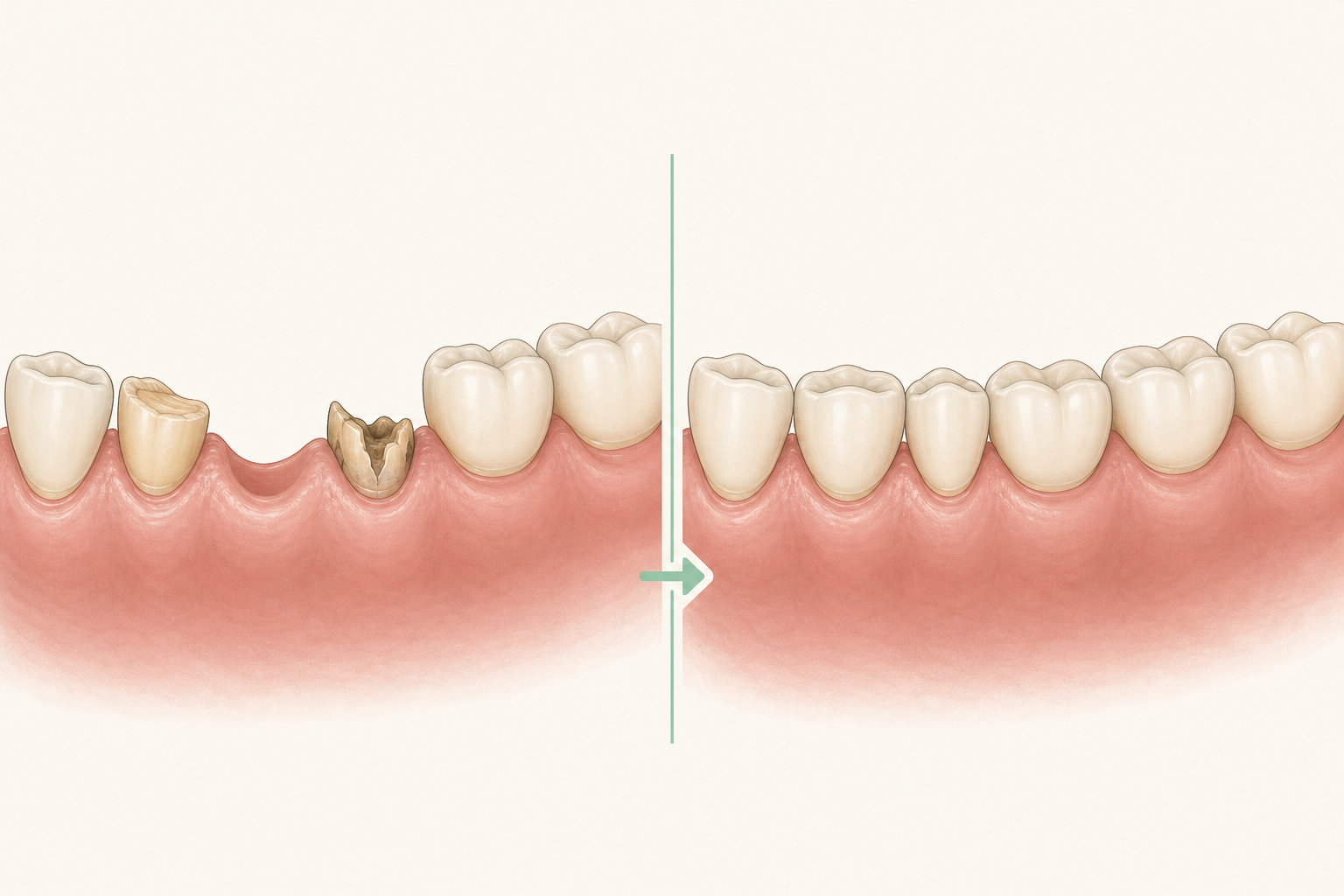
Illustrative diagram: Occlusal Splint Therapy
Illustration — a representative diagram, not a patient photo.
The DN First Look799 AED
Book The DN First Look

What is occlusal splint therapy?

Names used for the appliance
TermMeaning
NightguardAn intraoral appliance that fits over the teeth.[1]
Stabilization applianceAnother name for an intraoral splint.[1]

[1]

Who may need it?

It may be used when clenching or grinding is damaging teeth, or when a mouth guard is intended to separate the teeth. TMD pain should not be assumed to improve because the evidence for that benefit is limited.

[2][1]

Does it hurt?

Pain from the appliance is not something to push through: stop using it and seek clinical advice if wearing it causes pain.

[1]

Is it safe?

The appliance should not be designed to permanently change the bite. Its bruxism role is protective, separating teeth to prevent damage and possibly reducing muscle activity.

[1]

How long does it last?

A splint is worn to separate the teeth during use. Ongoing bruxism can damage teeth or restorations, which can be identified during dental examinations.

[1]

What happens during treatment?

Assessment covers when clenching happens, jaw pain or tiredness, stressors and sleep observations. Teeth, jaw and face are examined for damage and tenderness; a sleep study can record bodily functions and muscle activity during sleep.

[2][1]

What is recovery like?

Use is ongoing rather than a single recovery event. Monitor comfort and stop if pain develops; examinations continue to look for damage to teeth or restorations.

[1]
Monitoring while using a splint
FindingAction
Pain while wearing itStop using the appliance and seek advice.[1]
Tooth or restoration damageHave the teeth and restorations examined.[1]

[1]

What are the alternatives?

Behavior change can alter the resting mouth and jaw position, while stress management may reduce stress-related responses. Chipped or worn teeth may need repair with crowns or another dental procedure.

[2][1]

What should I expect?

Expect an appliance that sits over the teeth, with no intended change to the bite. The reason for use may be tooth protection from grinding rather than a guaranteed improvement in TMD pain.

[1]

Is it covered by insurance in the UAE?

Splint therapy uses an appliance over the teeth to separate them and protect against grinding damage. It does not aim to permanently change the teeth or bite.

[1]

Frequently asked questions

Will an occlusal splint permanently change my bite?

No. An intraoral appliance should not be designed to permanently change the bite.

[1]

Keep reading