
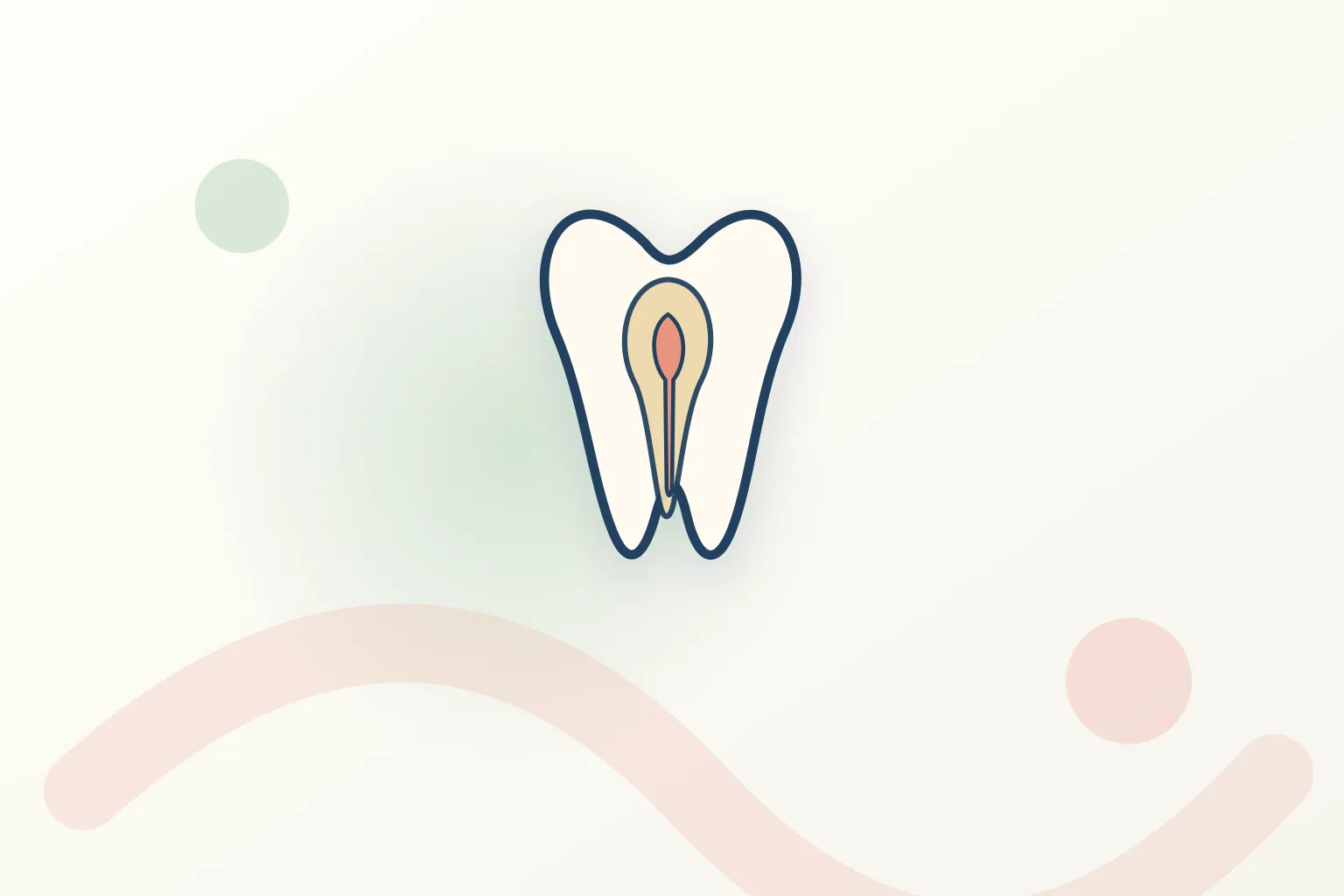
What the change looks like
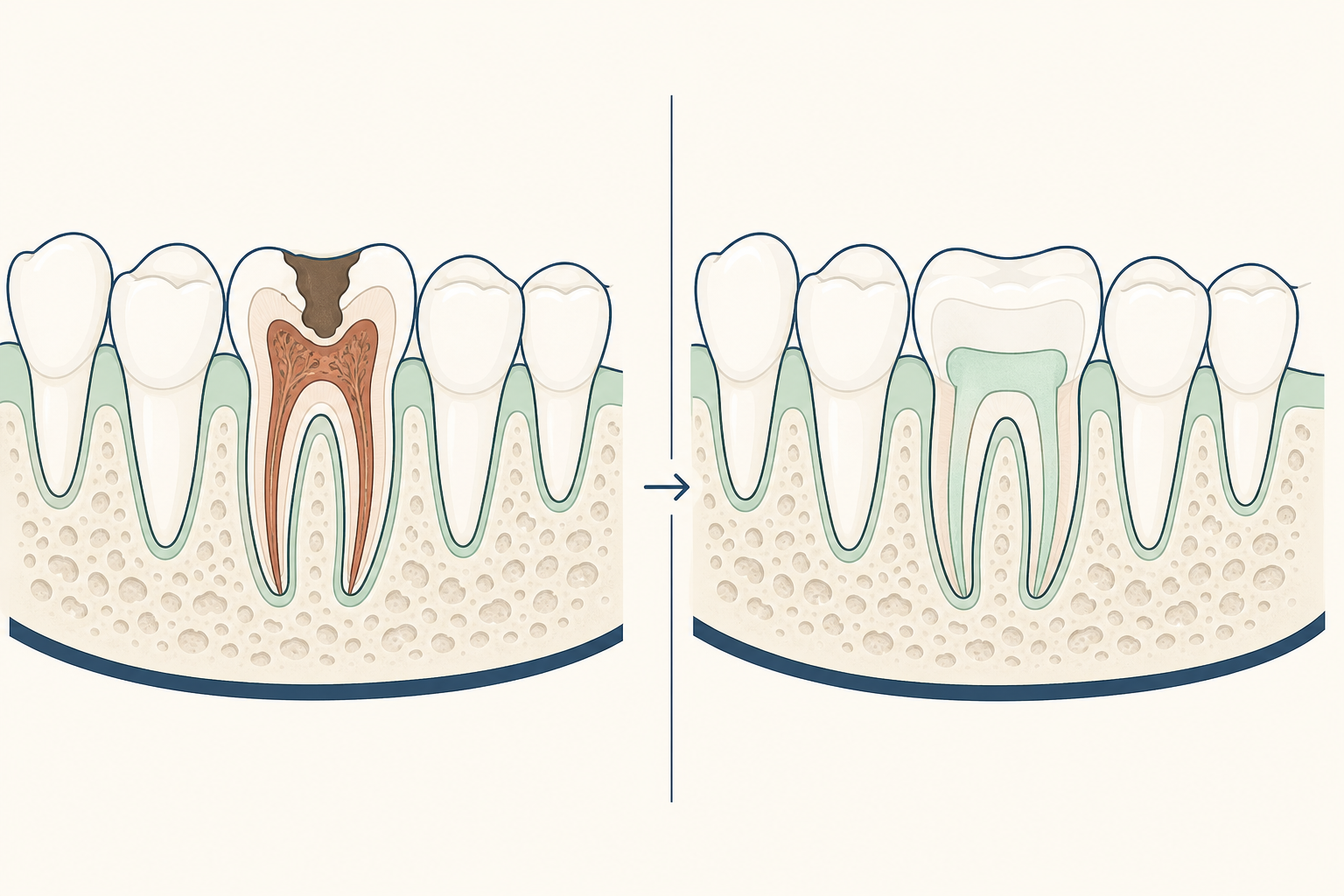
What is a pulpectomy?
| Question | Why it matters |
|---|---|
| Why has this treatment been recommended? | The recommendation should follow the dentist’s assessment of the child’s tooth or development.[1] |
| What will be reviewed next? | The follow-up plan helps parents understand how the dentist will assess progress.[1] |
When might a child need one?
Pulpectomy is used for a primary tooth with irreversible pulpitis or necrotic pulp. The tooth’s value and restorability also matter when choosing among pulp therapies.
[1]Does it hurt?
The appointment includes treatment of the nonvital pulp in a primary tooth, with paediatric behaviour guidance available to help the child manage the dental visit.
[1]Is it safe?
Pulpectomy is reserved for nonvital primary-tooth pulp, including irreversible pulpitis or necrosis. A complete pulpotomy is a different option and is limited to selected teeth without clinical or radiographic infection signs.
[1]How long does it last?
The treated primary tooth is followed as part of the developing dentition, with continued attention to its restorability and the alternative treatments that might be needed.
[1]What happens during the procedure?
The pulp is assessed, the nonvital tissue is treated, and the primary tooth is restored to protect its remaining structure and function. The care plan is shaped by the tooth’s condition and restorability.
[1]What is recovery like?
Following pulpectomy, the child continues with restorative and preventive care for the primary tooth. The tooth remains under review because its value and restorability affect the longer plan.
[1]What are the alternatives?
What should you expect at the visit?
Expect the decision to distinguish a nonvital pulp from a vital or reversibly inflamed pulp, then connect the selected therapy with the tooth’s restorability and role in the developing dentition.
[1]What should you ask about payment?
Pulpectomy is clinical treatment, not cosmetic care. An estimate should show the pulp procedure, restoration, and planned reviews as separate parts of the child’s dental treatment.
[1]Frequently asked questions
Who wrote this page
This library is published by Dental Nation, a licensed dental group practising in the United Arab Emirates. Pages are written and overseen by the same clinical team that treats patients in our clinics, and are held to a fixed editorial standard for safety and accuracy.
This page is patient education, not medical advice, and cannot replace an examination. Anything urgent — facial swelling, trauma, uncontrolled bleeding or severe pain — needs a dentist or emergency care now.