Dental Nation
Treatment guide

Habit-Breaking Appliances

Persistent thumb, finger, or pacifier sucking can change the bite; fixed or removable appliances can help stop the habit.

[2][3]

The short answer

Habit-breaking appliances can help stop persistent thumb, finger, or pacifier sucking that is linked with changes in a child's bite.

[2][3]
Habit-Breaking Appliances dental educational illustration

What the change looks like

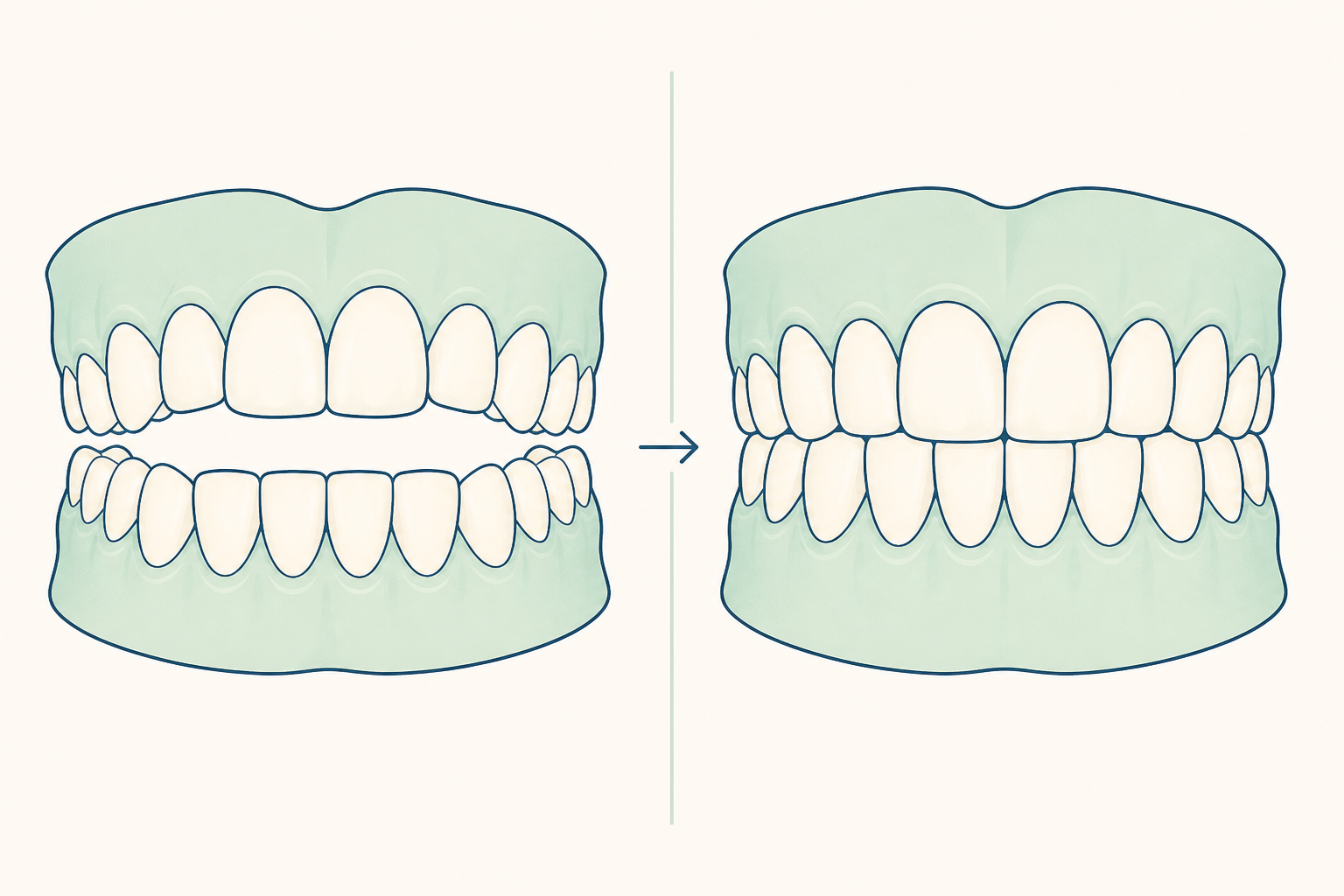
Illustrative diagram: Habit-Breaking Appliances
Illustration — a representative diagram, not a patient photo.
The DN First Look799 AED
Book The DN First Look

What are habit-breaking appliances?

They may be fixed in place or removable. Both types are used to help end a non-nutritive sucking habit and address the dental changes that can accompany it.

[2][3]
Changes linked with persistent sucking habits
Habit patternPossible associated change
Thumb, finger, or pacifier sucking beyond the preschool yearsAnterior open bite[2][3]
Persistent non-nutritive suckingIncreased overjet or altered orofacial function[2][3]

[2][3]

Which children may need one?

These appliances are used when a thumb, finger, or pacifier habit continues beyond the preschool years and is associated with an open bite, increased overjet, or altered orofacial function.

[2][3]

Does it hurt?

Reported effects are usually mild and temporary. A child may notice local irritation or a short-term change in speech while getting used to the appliance.

[2][3]

Is it safe?

The main reported effects are temporary speech alteration and local irritation. Fixed appliances have produced faster correction of overbite in the reviewed studies, while removable appliances can achieve similar improvement when they are worn as prescribed.

[2][3]

How long does it last?

An appliance should stay in place for several months after the last reported habit episode to reduce relapse. Retention or functional follow-up continues until the permanent incisors have erupted and the bite has stabilised.

[2][3]

How is treatment planned?

Planning starts with a clinical examination and diagnostic records. A diagnostic summary then guides the priorities, timing, sequence, and appropriateness of intervention for the developing dentition and bite.

[2][1]

What happens after the habit stops?

Keeping the appliance in place after the habit ends helps reduce relapse. Follow-up then continues while the permanent incisors erupt and the bite settles into a stable position.

[2][3]
Follow-up after a sucking habit ends
Point in careWhat follows
After the last reported habit episodeThe appliance remains in place for several months[2][3]
As permanent incisors eruptRetention or functional follow-up continues until the bite stabilises[2][3]

[2][3]

What are the alternatives?

Behaviour guidance ranges from communication, positive reinforcement, distraction, and desensitisation to options such as nitrous oxide-oxygen inhalation, sedation, or general anaesthesia when they are appropriate for dental care.

[2][1]

What should parents expect?

Fixed appliances provide constant deterrence when reliable wear of a removable appliance is uncertain. Removable appliances suit older, cooperative children when an intermittent approach is preferred for appearance or speech reasons.

[2][3]

What affects the cost?

The care plan is based on the child’s medical history, temperament, treatment needs, pain assessment, previous dental experience, and the available alternatives.

[2][1]

Frequently asked questions

Can a removable habit-breaking appliance work as well as a fixed one?

Removable appliances can produce comparable improvement when they are worn as prescribed, while fixed appliances provide constant deterrence and more predictable correction when cooperation is uncertain.

[2][3]