
What the change looks like
What are retainers?
Who needs a retainer?
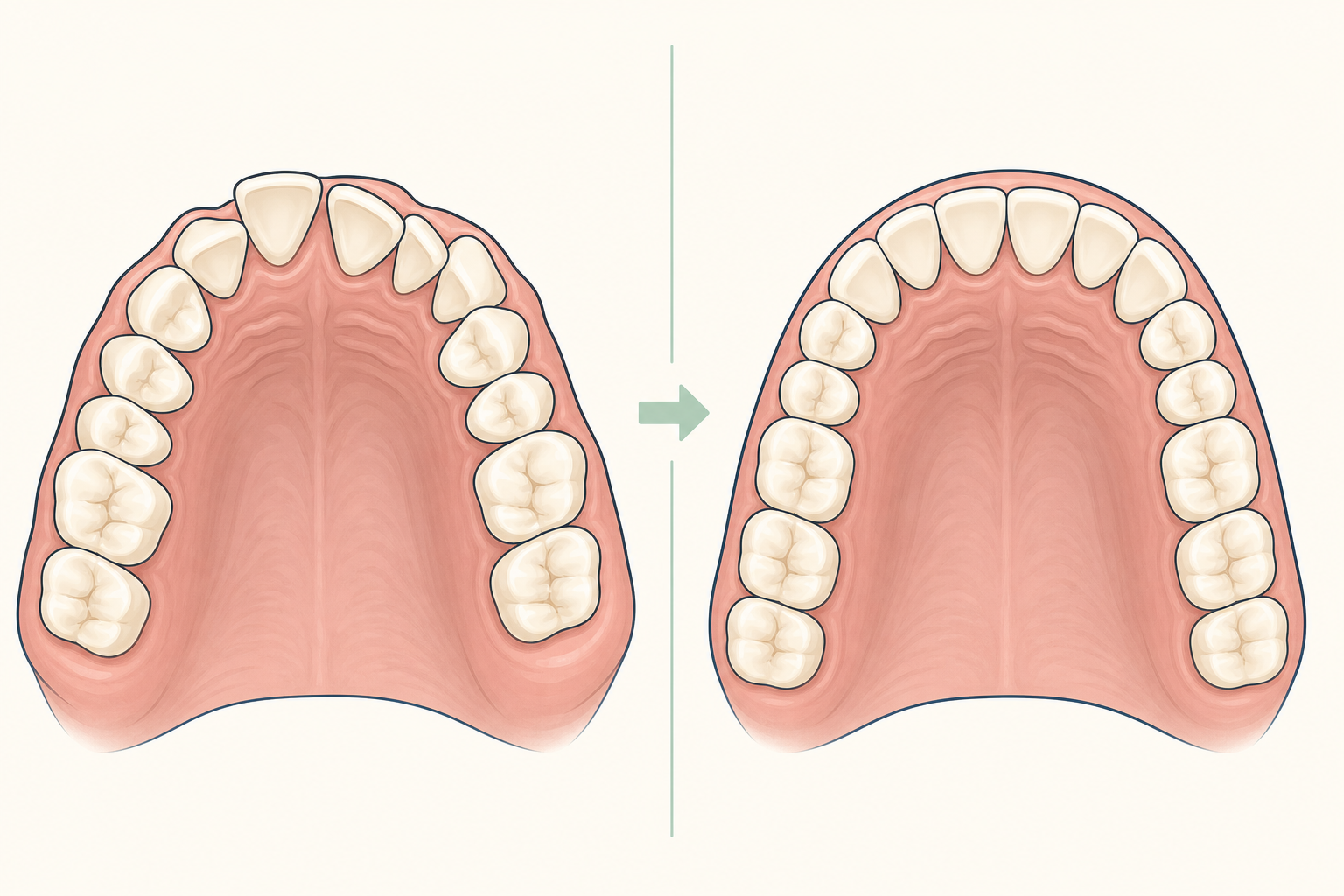
People use retainers after orthodontic treatment because teeth naturally tend to return towards their earlier positions over time.
[1]Does it hurt?
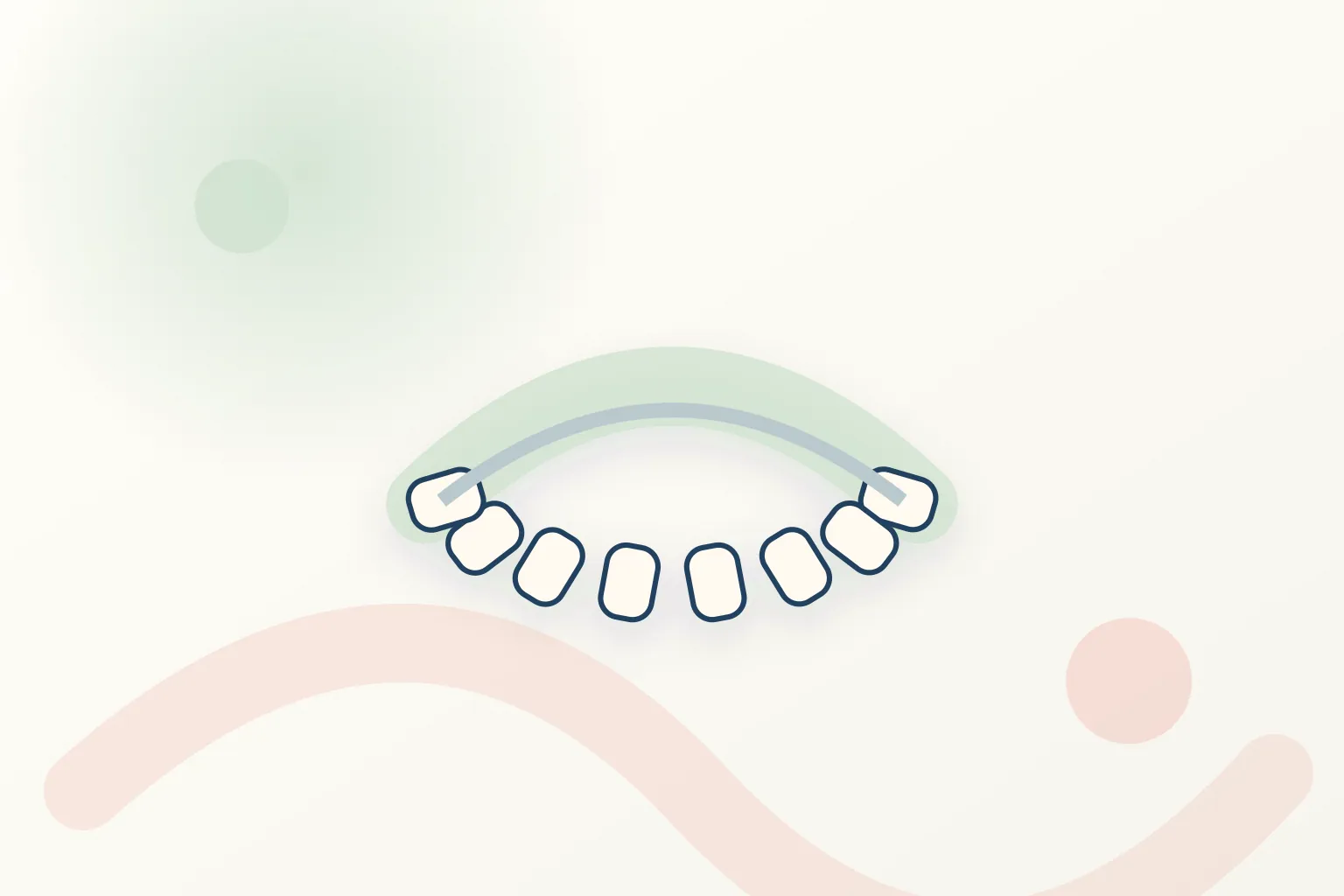
A retainer is made to fit snugly over or behind the teeth; its role is to hold the achieved position rather than move teeth through an active correction stage.
[1]Is it safe?
A dirty retainer can collect bacteria. Clean it daily with a soft-bristled toothbrush and water, and do not use hot water, alcohol, or bleach because they can damage the appliance.
[1]How long does it last?
How are retainers used?
After teeth have been straightened, the retainer fits over or behind them to maintain that position. Wearing it as prescribed supports the longevity of the orthodontic result.
[1]What happens after braces or aligners?
The retention phase begins after orthodontic treatment. Its purpose is not a short recovery period: it is to keep teeth stable against the natural tendency to move back over time.
[1]What are the alternatives?
What should I expect from day-to-day wear?
Store the retainer in its protective case whenever it is out of the mouth. This helps keep it clean and lowers the chance that it will be damaged, broken, or lost.
[1]What does a UAE appointment include?
Retainers are part of the phase that follows orthodontic treatment, when the aim is to keep straightened teeth from returning towards their original positions.
[1]Frequently asked questions
Why do teeth need retainers after orthodontic treatment?
Teeth have a natural tendency to revert towards earlier positions after orthodontic treatment, and retainers are designed to minimise that movement.
[1]