
Dental Nation
Treatment guide

Permanent Retainers

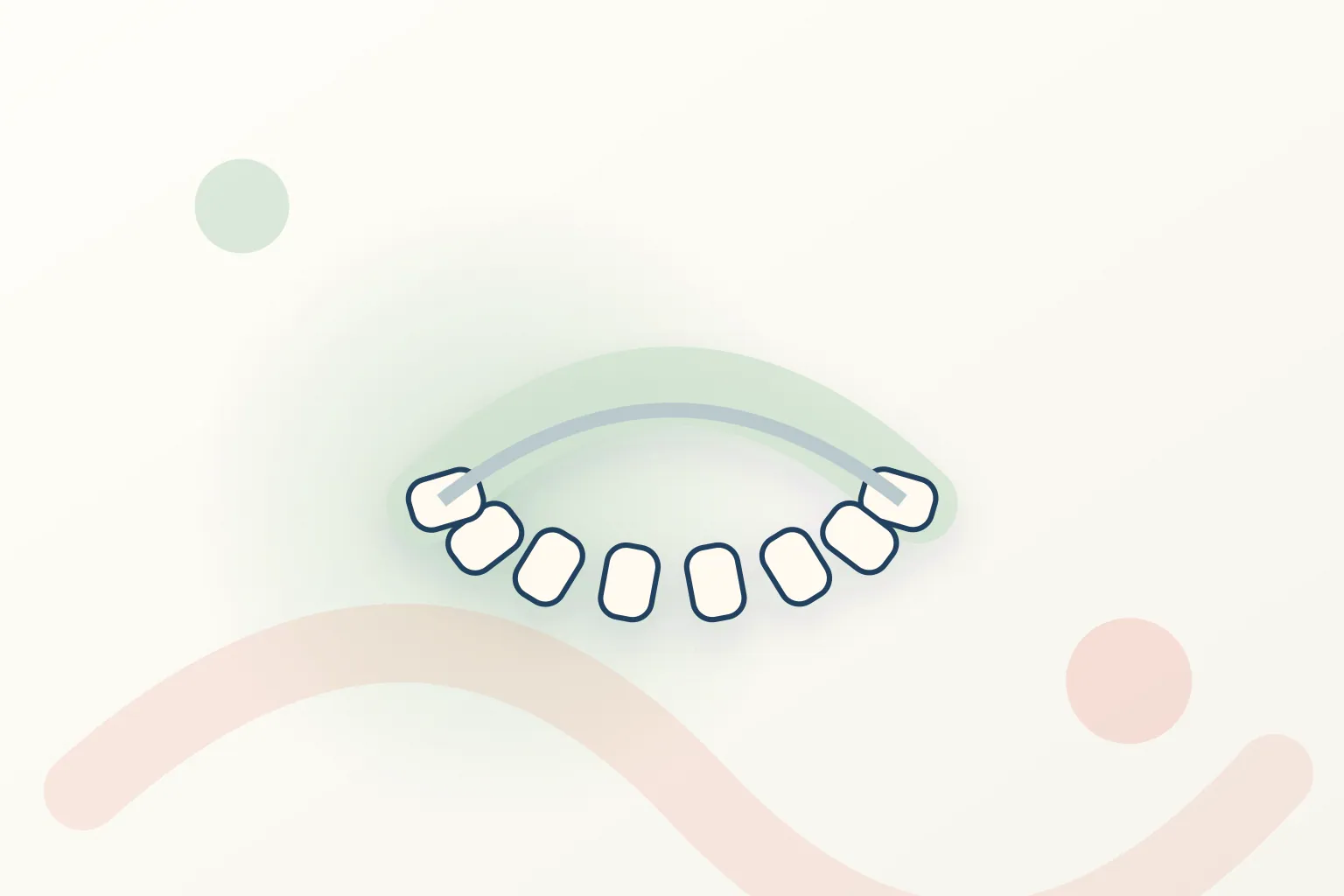
A bonded wire can hold front teeth in position after braces, but it needs careful cleaning around the wire.

[4]

The short answer

Permanent retainers are custom-fitted wires bonded behind the teeth to keep the front teeth aligned after orthodontic treatment.

[1][3]
Permanent Retainers dental educational illustration

What the change looks like
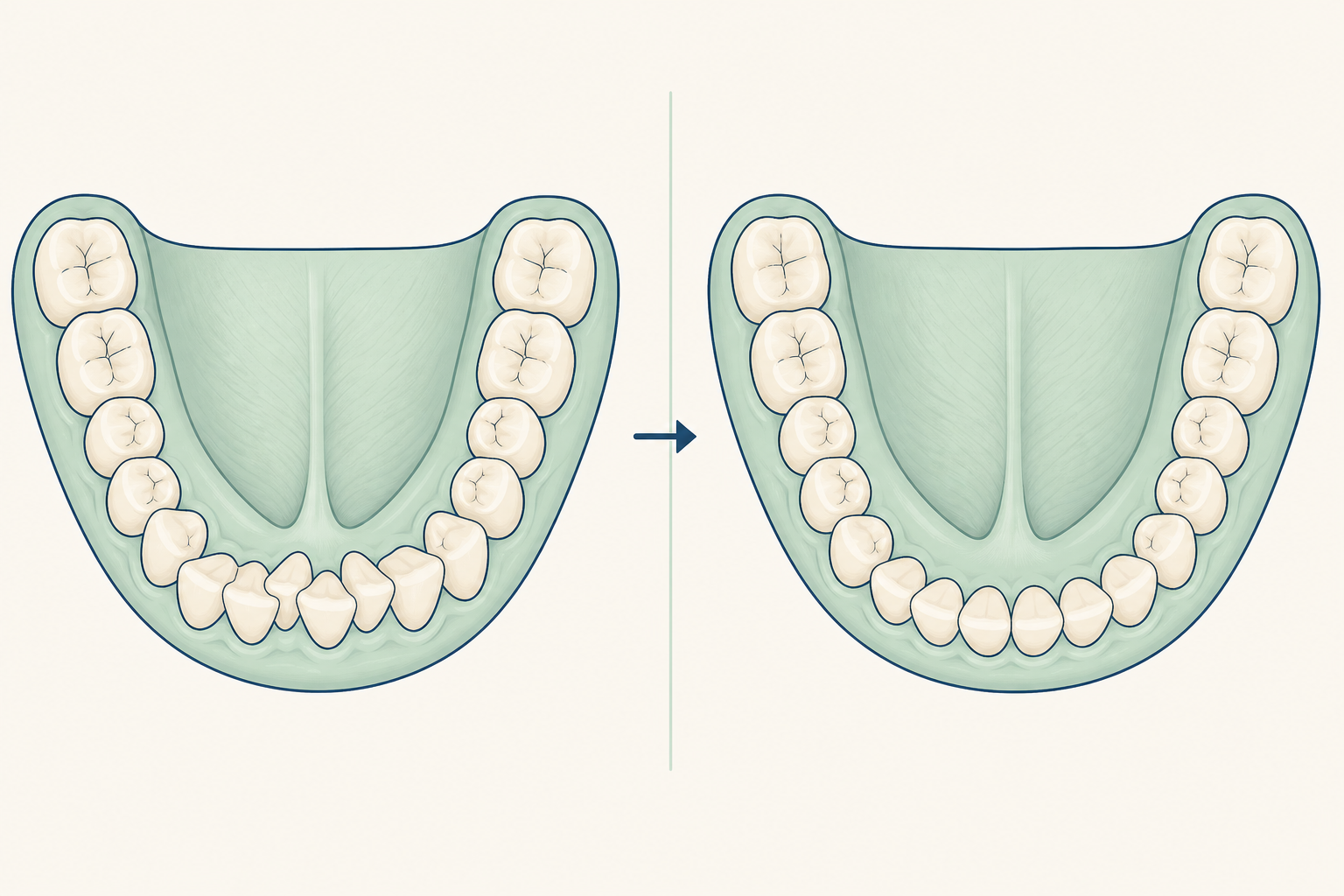
Illustrative diagram: Permanent Retainers
Illustration — a representative diagram, not a patient photo.
The DN Scan499 AED · fully deducted if treatment starts within 30 days
Book The DN Scan

What it is

How fixed and removable retainers differ
Retainer typeHow it is used
Permanent retainerA custom wire is bonded to the tongue-side of the teeth and stays there unless an orthodontist removes it.[1][3]
Removable retainerThe patient can insert and remove it; common designs include wire-and-plastic Hawley retainers and clear Essix retainers.[1][3]

[1][3]

Who may need it

A fixed wire may be used after orthodontic treatment when keeping the lower front teeth aligned over the long term is the priority. It can also be paired with a removable retainer.

[1][3]

Does it hurt?

A permanent retainer is bonded to the inner tooth surfaces. Its wire is placed behind the teeth rather than across the biting edges, so it is designed to hold alignment without changing how the teeth meet.

[1][3]

Is it safe?

Fixed retainers can collect more plaque and calculus than removable retainers. Steel lingual retainers have fewer periodontal complications than glass-fibre reinforced fixed retainers in the reviewed evidence.

[4]

How long does it last?

A fixed retainer is used for long-term retention of the lower front teeth. Its continued effect depends on the wire remaining bonded and on keeping the bonded area free of plaque and calculus.

[4]

How the procedure works

The wire is custom-fitted, bonded on the tongue-side of the teeth, and left in place. Unlike a removable appliance, it cannot be taken out at home.

[1][3]

What recovery is like

There is no removable appliance to put in and take out after a fixed retainer is bonded. Day-to-day care centres on cleaning the wire and the tooth surfaces around it.

[4]
Daily care points
AreaWhat matters
Around the wirePlaque and calculus can accumulate around fixed retainers, so the bonded surfaces need regular cleaning.[4]
Gum healthRetainer type influences periodontal health, and fixed designs have higher plaque and calculus values than removable retainers.[4]

[4]

What are the alternatives?

Removable retainers are the alternative that patients can take out. Hawley retainers use wire and hard plastic-like material, while clear Essix retainers are moulded transparent plastic appliances.

[4]

What to expect

The retainer remains hidden on the tongue-side of the teeth. It is a fixed device, so any removal or repair is carried out by the orthodontist rather than by the wearer.

[1][3]

Insurance and financing in the UAE

Permanent retention follows orthodontic treatment and uses a wire custom-fitted to the teeth. The appointment covers a bonded retainer rather than a clear, take-home appliance.

[1][3]

Frequently asked questions

Can I remove a permanent retainer myself?

No. A permanent retainer is bonded to the tongue-side of the teeth and is removed by an orthodontist.

[1][3]
What is the removable alternative to a bonded wire?

A Hawley retainer uses wire and hard plastic-like material, while a clear Essix retainer is moulded from the teeth and resembles a clear aligner.

[4]