
What the change looks like
What are braces for children?
Who may need braces?
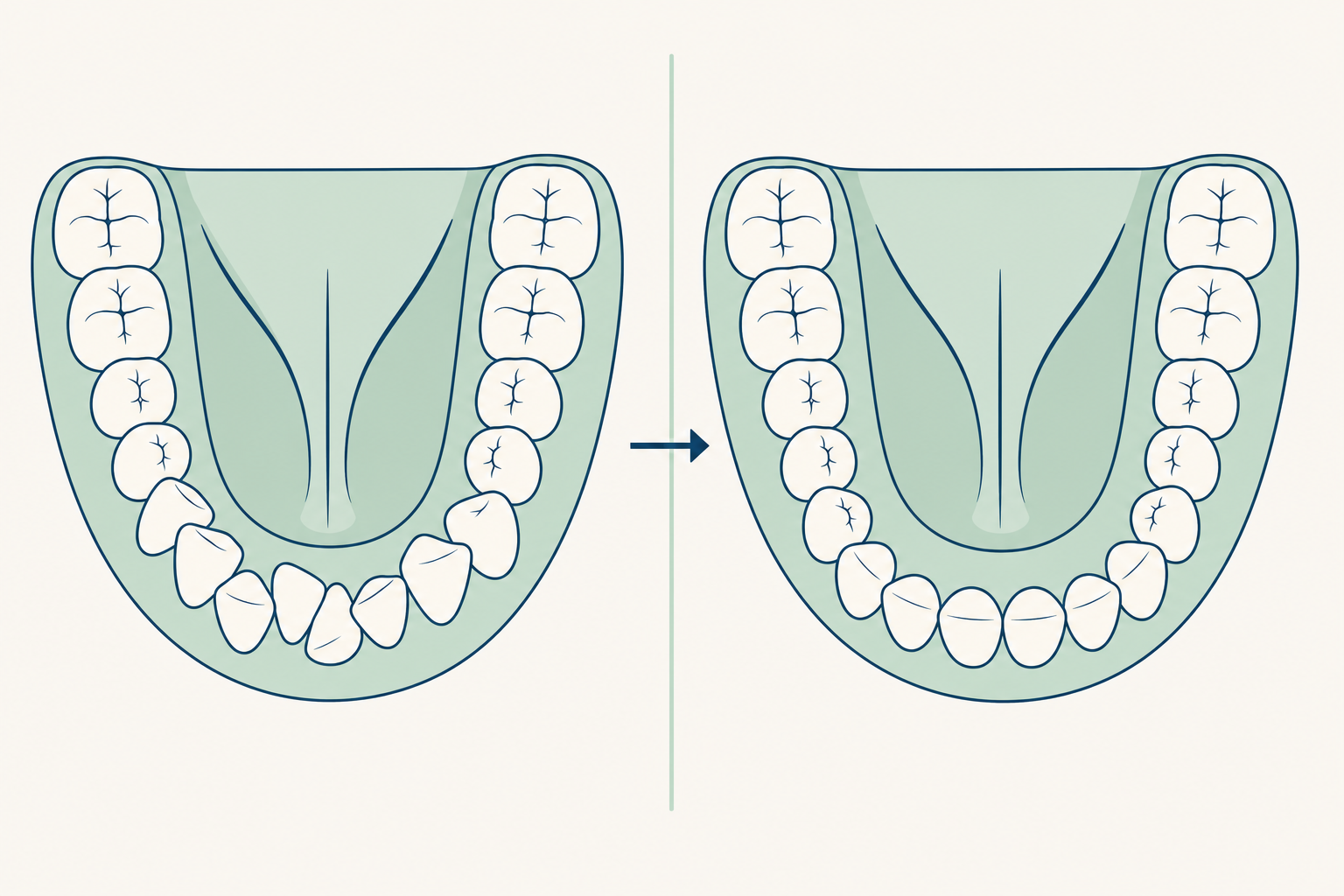
A child may need orthodontic care when crowding, tooth position, jaw growth or the bite makes eating or cleaning difficult. Growth and development help determine the timing of treatment.
[1]Does it hurt?
New fixed braces can feel unusual, and teeth may be sore for a few days. Softer food and pain relief can help while that early soreness settles.
[1]Is it safe?
Cleaning around brackets is important because hard-to-reach plaque can contribute to decay and gum problems. Hard and sticky foods can break or damage the appliance.
[1]How long does it last?
A small correction can take months. Moving many teeth or changing jaw position can take years, particularly where growth and a complex bite are involved.
[1]What happens before and during fitting?
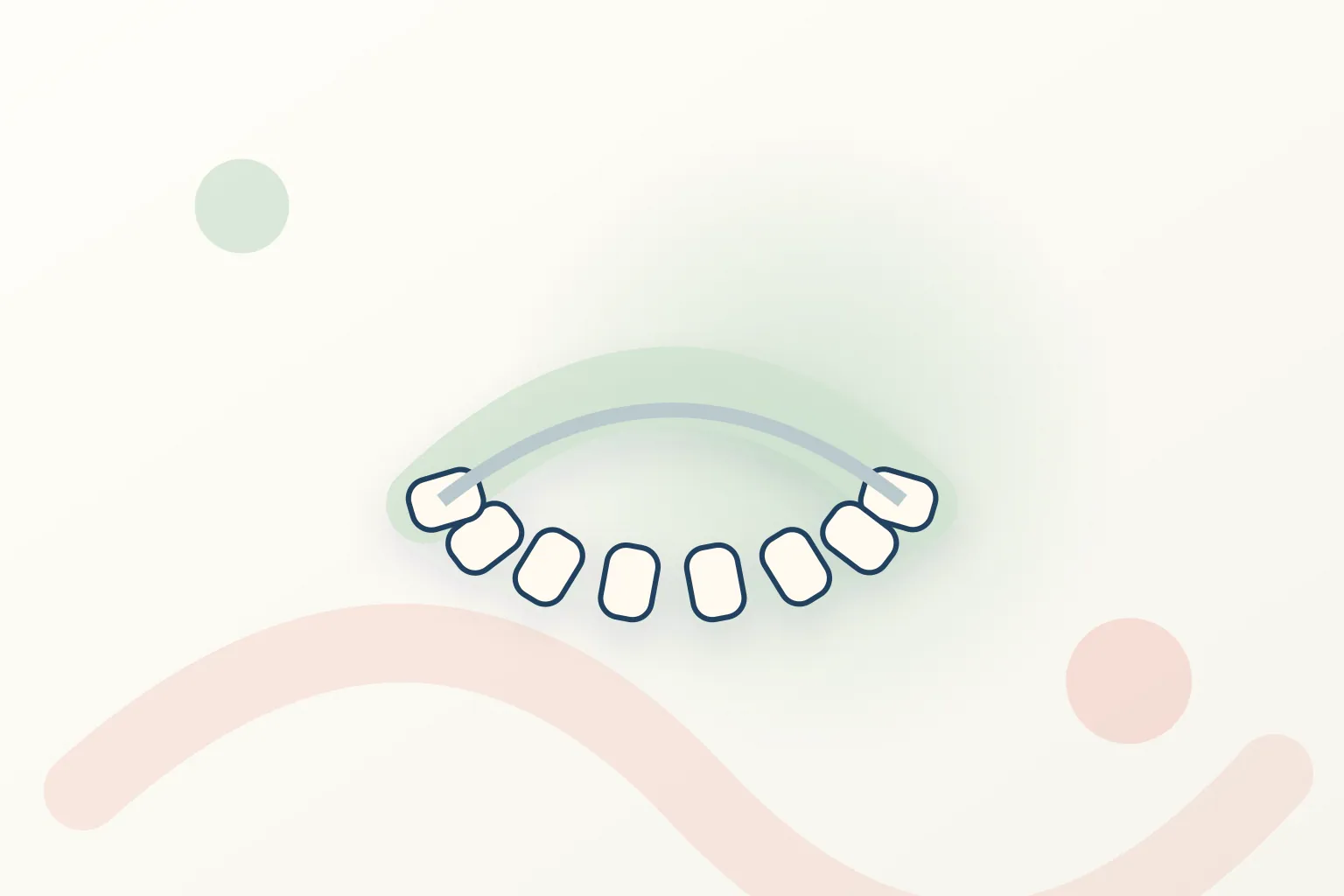
The mouth is prepared before treatment, including dealing with cavities where needed. Brackets are bonded to teeth, a wire joins them, and adjustment visits continue while teeth move.
[1]What is recovery like?
The first few days after fitting can be the sorest. Fluoride toothpaste, a soft brush and cleaning around brackets protect the teeth during the active treatment period.
[1]What are the alternatives?
What should families expect?
Expect repeat adjustment visits, careful brushing and food restrictions that protect the appliance. After fixed braces are removed, a retainer helps prevent the teeth moving back.
[1]How does insurance and financing work?
Frequently asked questions
Why are some children assessed while they are still growing?
Tooth and jaw development can affect whether treatment begins now or waits for further growth.
[1]