Dental Nation
Treatment guide

Functional Orthodontic Appliances

Growing patients with Class II or III malocclusion may use a fixed or removable appliance that holds the lower jaw forward.

[4][5]

The short answer

Functional orthodontic appliances are fixed or removable appliances that posture the lower jaw forward and are used for Class II or Class III malocclusion in growing patients.

[4][5]
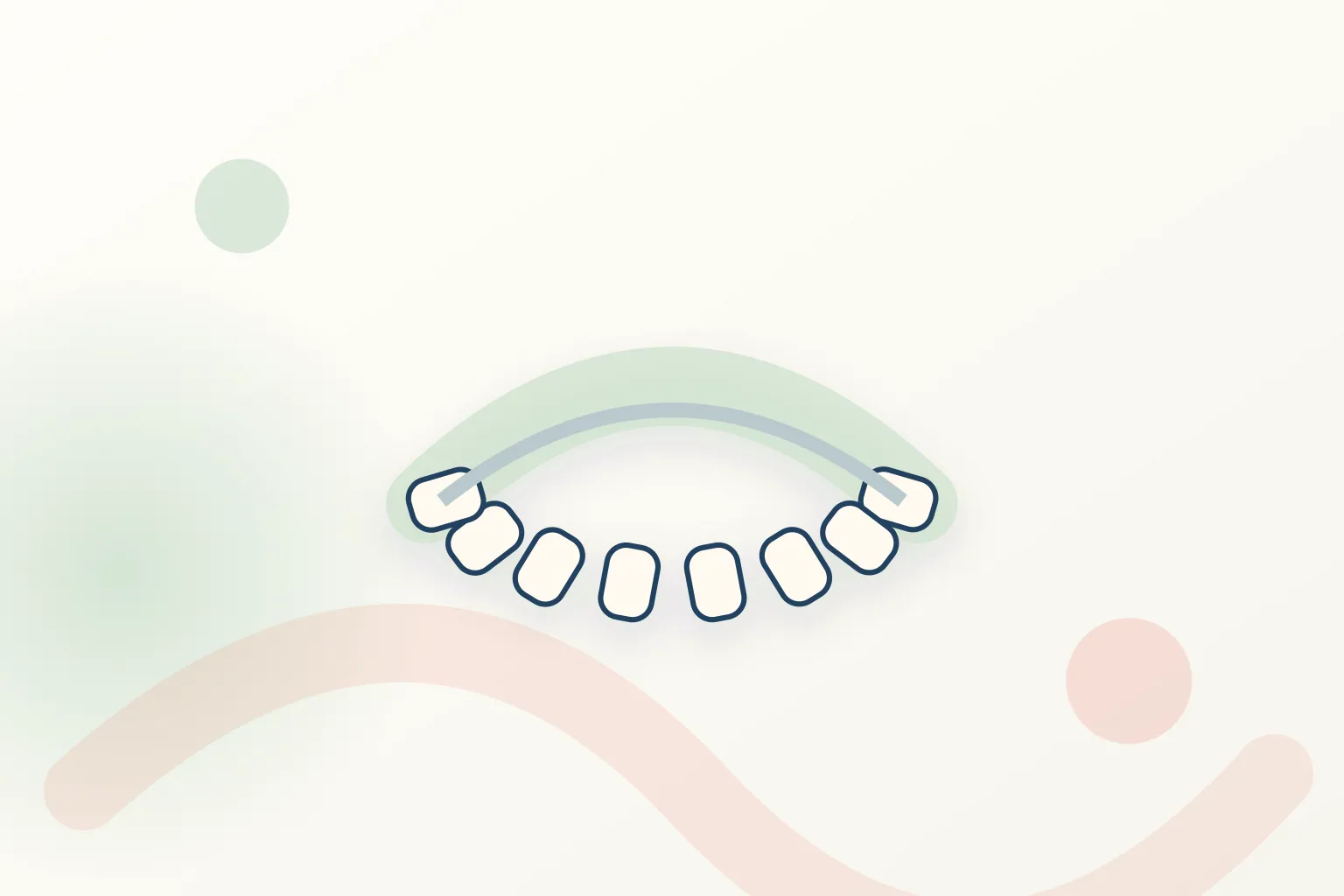
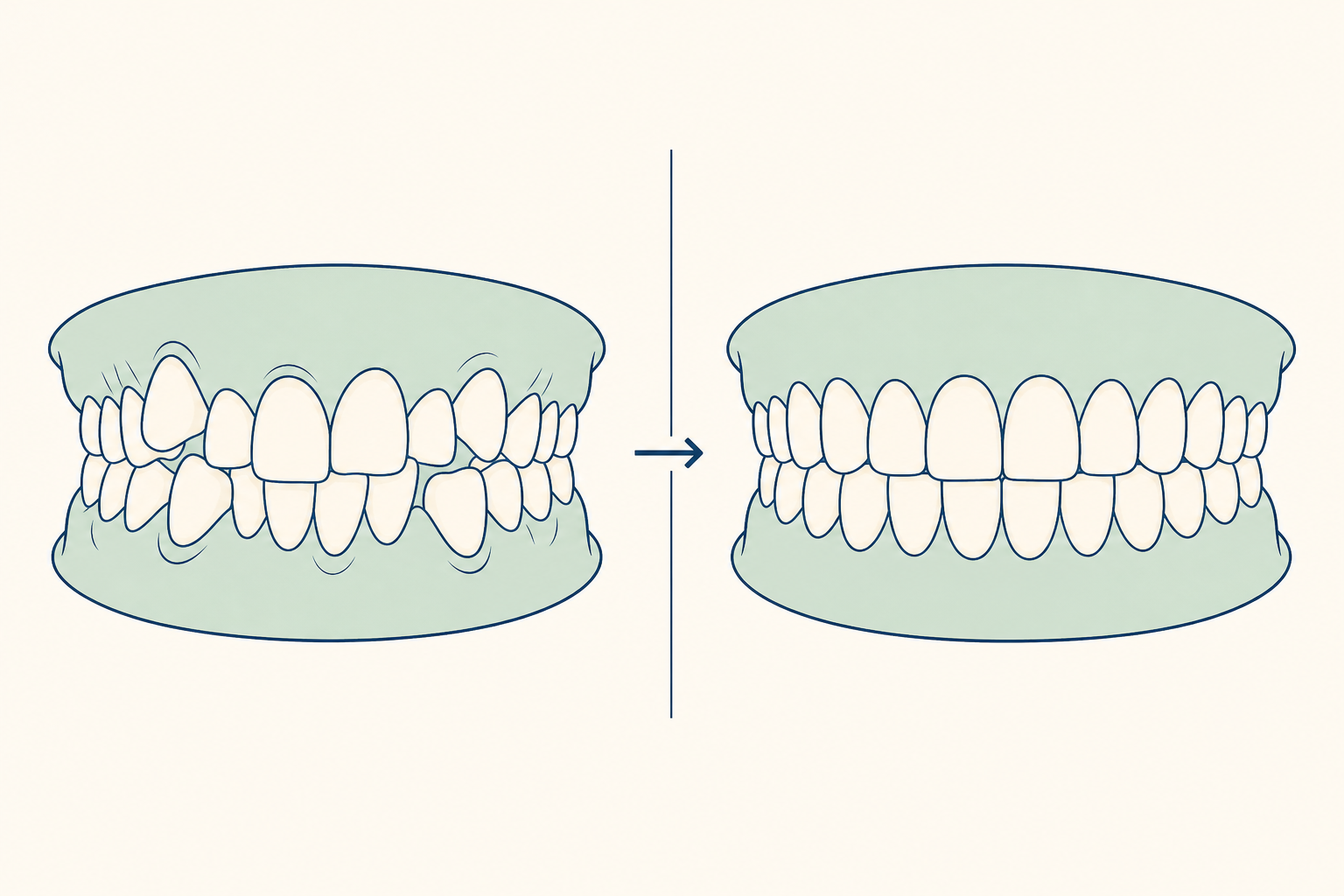
Functional Orthodontic Appliances dental educational illustration

What the change looks like

Illustrative diagram: Functional Orthodontic Appliances
Illustration — a representative diagram, not a patient photo.
The DN Scan499 AED · fully deducted if treatment starts within 30 days
Book The DN Scan

What are functional orthodontic appliances?

Where functional appliances are used
Bite patternPopulation described
Class II malocclusionGrowing patients were included in functional-appliance research.[4][5]
Class III malocclusionGrowing patients were included in studies of patient-reported outcomes.[4][5]

[4][5]

Who may use one?

These appliances are used to manage skeletal Class II and Class III malocclusions in growing patients. The studies of Class II treatment included adolescents, while Class III outcome studies included younger children as well.

[3][4][5]

Does it hurt?

Most patients in the reviewed studies reported mild, short-term discomfort or functional difficulty. Pain with appliances such as activators, twin blocks and trainers was usually low and decreased progressively during adaptation.

[2][4]

Is it safe?

Reported patient concerns included pain, functional impairment, swallowing difficulty, speech difficulty and oral-health-related quality of life. The review found the appliances generally well tolerated, although the certainty of evidence was limited.

[2][4]

How long does it last?

The long-term review assessed functional appliances worn for six months or longer, with active treatment completed by age 16 in its included criteria. Duration is therefore measured in months rather than a single appointment.

[4][5]

How does treatment work?

Functional appliances hold the mandible forward. Research compares incremental and maximal mandibular advancement in Class II treatment and also evaluates appliances used alone or together with multi-bracket therapy.

[3][4][5]

What is the adjustment period like?

Adaptation was a consistent pattern in the patient-reported outcomes review. Early mild discomfort and functional difficulty generally eased over time, rather than remaining at the same level throughout treatment.

[2][3][5]
What the studies recorded
PeriodReported pattern
Early useMost patients reported mild, short-term discomfort or functional difficulty.[2][3][5]
Over timeAdaptation was consistent and pain decreased progressively.[2][3][5]

[2][3][5]

What are the alternatives?

For Class II treatment, the research distinguishes removable and fixed functional appliances, and it includes appliances used alone or with multi-bracket therapy. The alternative in the comparison was an untreated Class II group.

[4][5]

What should you expect?

The reviewed studies measured more than tooth and jaw changes. They also asked about pain, functional impairment, swallowing, speech and oral-health-related quality of life while growing patients used the appliances.

[2][3][5]

Insurance and financing in the UAE

Functional-appliance treatment can involve a removable or fixed appliance. It may be used alone or combined with multi-bracket therapy in growing patients.

[3][4][5]

Frequently asked questions

Do functional appliances only treat Class II bites?

No. The patient-outcome review included growing patients with both skeletal Class II and Class III malocclusions.

[4][5]