Dental Nation
Treatment guide

Damon Braces

Damon braces use self-ligating brackets; studies found no meaningful overall treatment-duration advantage over other brackets.

[2][4][5]

The short answer

Damon braces are self-ligating fixed braces, with research showing limited differences from conventional brackets in overall treatment time.

[2][4][5]
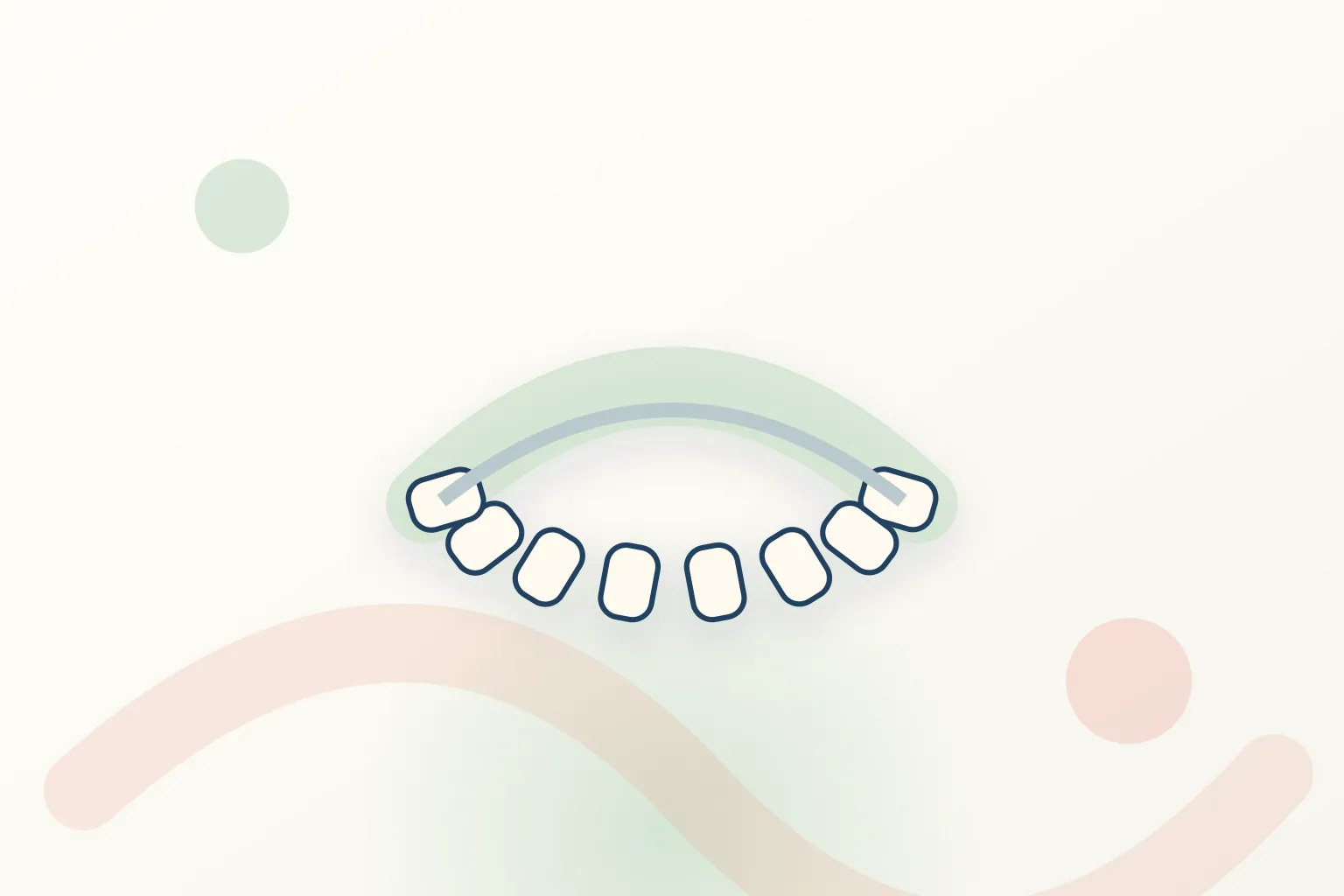
Damon Braces dental educational illustration

What the change looks like

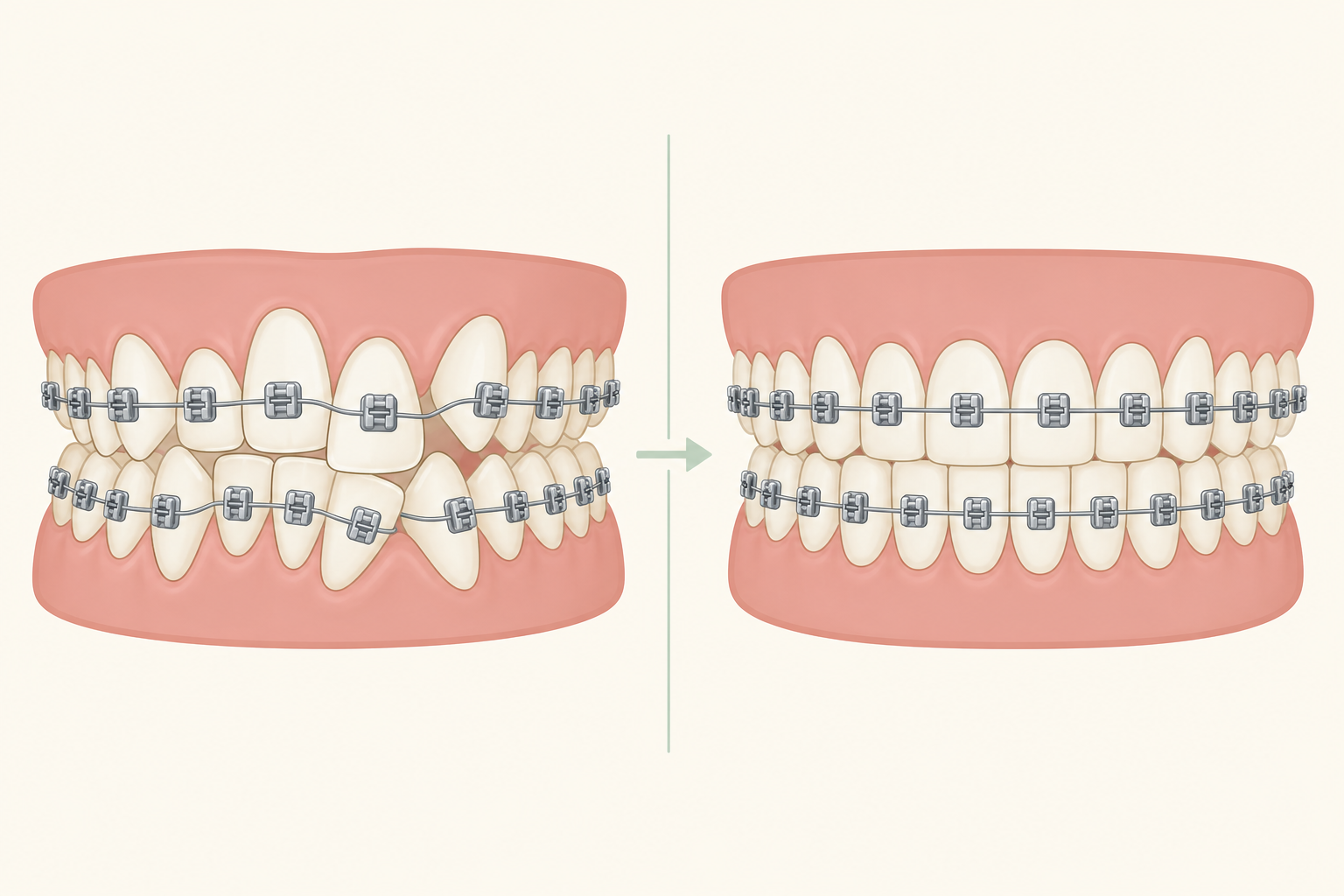
Illustrative diagram: Damon Braces
Illustration — a representative diagram, not a patient photo.
The DN Scan499 AED · fully deducted if treatment starts within 30 days
Book The DN Scan

What are Damon braces?

What the bracket comparisons found
QuestionFinding
Active versus passive self-ligating bracketsActive brackets aligned teeth about 10 days faster, while total treatment duration did not differ significantly.[2][4][5]
Damon3 versus conventional MBT in early alignmentUpper alignment was faster with Damon3 over four months.[2][4][5]

[2][4][5]

Who may consider them?

The Damon3 trial enrolled people aged 14 to 20 who needed non-extraction treatment in both upper and lower arches. Its evidence therefore describes early alignment in that group, rather than every orthodontic problem.

[2][4][5]

Does it hurt?

In the Damon3 and MBT trial, participants recorded pain immediately after archwire insertion, then at four and 24 hours, three and seven days, and at monthly visits. Pain scores did not differ significantly between the two bracket groups.

[2][4][5]

Is it safe?

Research comparing conventional and self-ligating brackets examines periodontal health, including bleeding on probing after bonding. One comparison reported less bleeding four to five weeks after bonding with passive self-ligating brackets, but this is not a guarantee for every wearer.

[6]

How long does it last?

The available comparison found a small alignment-time difference between active and passive self-ligating braces, yet no significant difference in total treatment duration. Bracket type alone therefore did not establish a shorter full course of treatment.

[2][4][5]

What happens during treatment?

The clinical study assessed tooth alignment at the start and across four monthly visits. Archwires are placed in the brackets, and the study measured changes in tooth irregularity during that initial four-month alignment stage.

[2][4][5]

What happens in the first months?

The trial followed the first four months of alignment. Damon3 produced a higher rate of upper alignment, while the lower-tooth improvement over the full four months was not significantly different from MBT braces.

[2][4][5]
Early alignment findings
Period or areaReported result
Upper teeth, start to four monthsDamon3 had a significantly higher alignment rate.[2][4][5]
Lower teeth, four-month periodImprovement in irregularity was not significantly different between groups.[2][4][5]

[2][4][5]

What are the alternatives?

Conventional MBT fixed braces were the direct comparator in the Damon3 clinical trial. Evidence reviews also distinguish active and passive self-ligating bracket designs, whose total treatment durations were not significantly different.

[3][4][6]

What result should I expect?

A self-ligating design may change parts of the early alignment phase, but the systematic comparison found few statistically significant differences across many bracket comparisons. The strongest reported Damon3 difference was in upper alignment over four months.

[2][4][5]

What determines the orthodontic approach?

The research compared bracket designs during non-extraction orthodontic treatment and measured both alignment and pain. It does not show that one bracket design produces a universally shorter complete treatment course.

[2][4][5]

Frequently asked questions

Do Damon braces finish treatment faster than regular braces?

Research found limited differences between bracket types, and did not find a significant difference in overall treatment duration between active and passive self-ligating braces.

[2][4][5]