Dental Nation
Treatment guide

Alveoloplasty

Alveoloplasty explained in patient-friendly language, including the treatment decision, procedure questions, recovery, alternatives, and appointment planning.

[2][4]

The short answer

Alveoloplasty is a planned oral-surgery treatment used when the tooth, bone, tooth position, lesion, or infection needs a direct surgical approach. The exact indication comes from an examination and the clinical question being answered. Patients usually need this page when alveoloplasty has been proposed or when a clinician is explaining why a simpler route may not answer the problem.

[2][4]
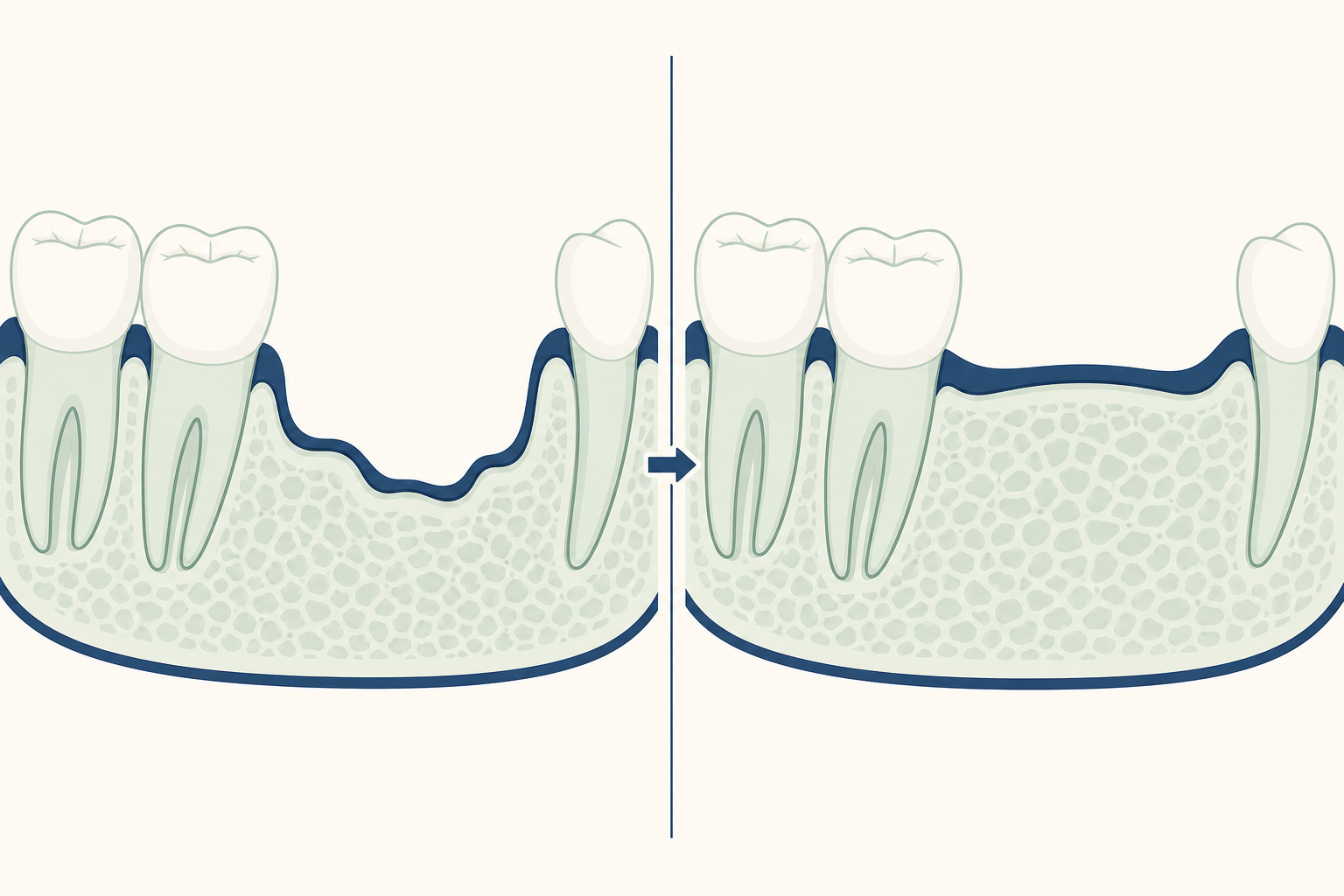
Alveoloplasty dental educational illustration

What the change looks like

Illustrative diagram: Alveoloplasty
Illustration — a representative diagram, not a patient photo.
The DN First Look799 AED
Book The DN First Look

What it is

How Alveoloplasty fits the treatment decision
QuestionWhat the consultation clarifies
Why is it being considered?The finding that Alveoloplasty is intended to address[2][4]
What is decided first?The target, approach, and alternatives[2][3][4]

[2][4][3]

Who needs it?

Alveoloplasty may be discussed when the examination shows a problem that cannot be managed well with routine care alone. The decision belongs to the clinical assessment, with the tooth or tissue, its position, and the intended result considered together.

[2][4]

Does it hurt?

Pain during Alveoloplasty is a question for the treating dentist because the answer depends on the site, the planned access, and the anaesthetic or other comfort measures selected. Ask what you may feel during the visit and what symptoms are expected afterward.

[2][4]

Is it safe?

Alveoloplasty has risks that should be explained in relation to your own finding. Safe planning includes identifying the treatment target, discussing relevant alternatives, and giving clear instructions for contacting the clinic if recovery does not follow the expected course.

[2][4]

How long does it last?

The appointment length and the time needed for recovery are individual clinical decisions for Alveoloplasty. The team can separate the procedure itself from the period in which the treated area needs protection and follow-up.

[2][4]

How the procedure works

The usual conversation about Alveoloplasty starts with the examination and treatment aim, continues through the planned surgical access, and ends with wound-care and follow-up instructions. Your clinician should explain which of those steps applies to your case.

[2][4]

What recovery is like

Recovery after Alveoloplasty depends on the area treated and the procedure completed. The dental team should explain wound care, eating, cleaning, review arrangements, and the symptoms that need prompt contact before you leave. Keep the written instructions available, because the useful timeline is the one matched to your procedure and medical history.

[3][5]
Recovery questions after Alveoloplasty
StageWhat to ask the dental team
Before leavingWhich care instructions and warning signs apply to you[3][5]
Follow-upWhen the treated area should be reviewed[3][5]

[3][5]

What are the alternatives?

Alternatives to Alveoloplasty depend on the diagnosis and the structure that can be retained. A consultation can compare observation, another dental treatment, or a different surgical approach when those options fit the finding.

[2][3][5]

What to expect at the appointment

At the appointment, expect questions about the problem, an examination, an explanation of the proposed approach, and a chance to discuss risks and alternatives. Bring a list of medicines and tell the team about changes in your health.

[2][4]

Insurance and financing in the UAE

Insurance and financing questions should be checked with the clinic and your insurer before treatment. Ask what is included in the proposed plan, which parts are subject to approval, and when payment is due.

[2][3][4]

Frequently asked questions

Why might Alveoloplasty be recommended?

A dentist plans Alveoloplasty around the finding being treated, the access needed, and the tissue that must be preserved. The source evidence supports discussing the procedure as part of a wider treatment plan rather than as an isolated label.

[2][3][4]