
Dental Nation
Treatment guide

Zirconia Veneers

Zirconia is used less often for veneers than for crowns and bridges, but it is a ceramic material option.

[1][2]

The short answer

Zirconia veneers are ceramic veneers, although zirconia is used much more often for crowns and bridges than veneers.

[1][2]
Zirconia Veneers dental educational illustration

What the change looks like
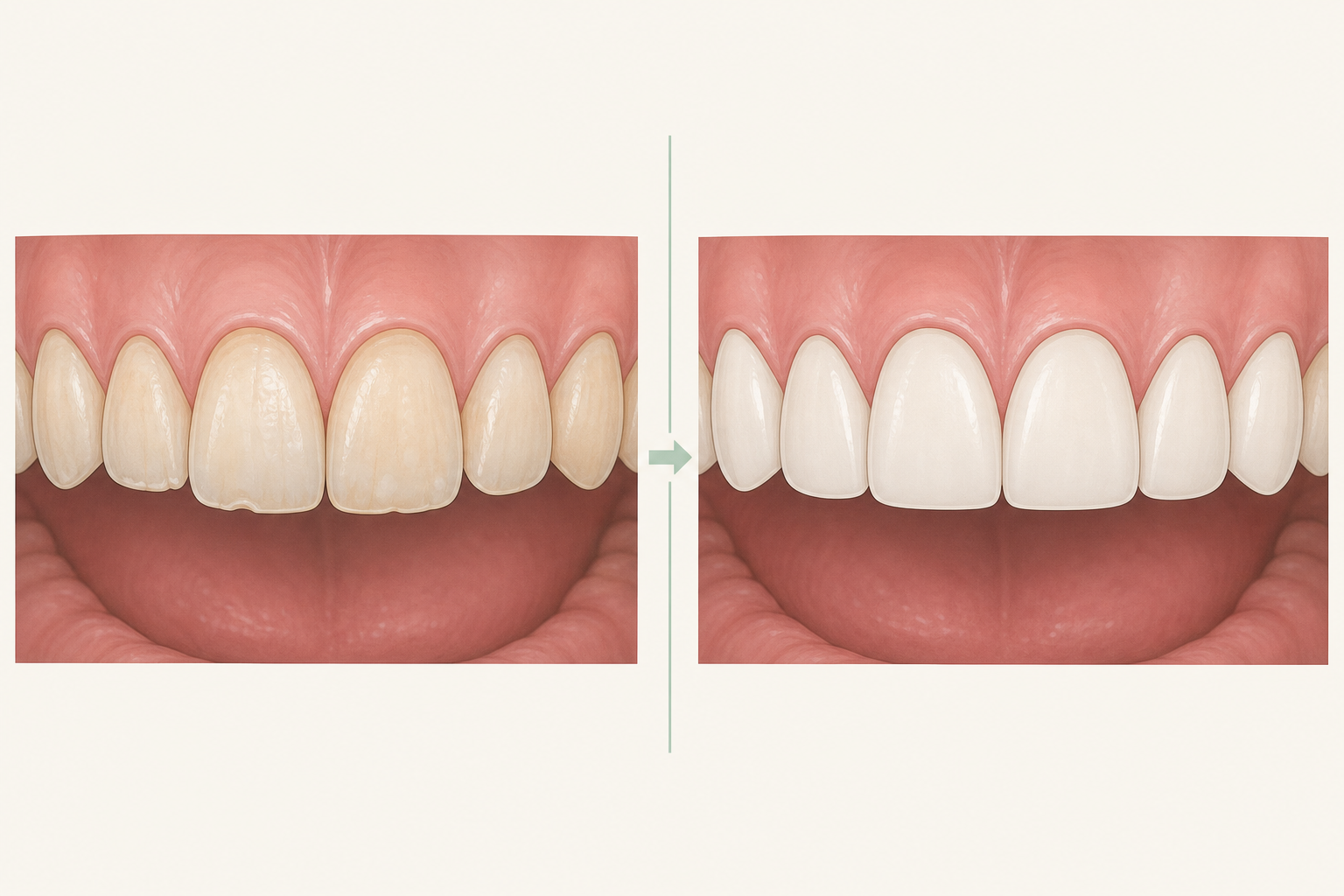
Illustrative diagram: Zirconia Veneers
Illustration — a representative diagram, not a patient photo.
The DN Glow Up1,699 AED
Book The DN Glow Up

What affects the cost?

Veneer material distinctions
MaterialRelevant difference
PorcelainTends to cost more than composite[1][2]
CompositeCan require fewer visits and less enamel removal[1][2]

[1][2]

What are zirconia veneers?

Zirconia is a dental ceramic used for fixed restorations. In a survey of dentists, its common uses were posterior crowns and bridges, while veneers were a much less frequent use. The survey recorded zirconia use for veneers in 12% of responses, compared with 98% for posterior crowns.

[1][2]

Who may consider zirconia veneers?

A veneer may be considered where an aesthetic anterior bonded veneer is being planned. Clenching, grinding, a deep overbite, untreated decay, or gum disease can make veneers a poor choice. Tooth health needs attention before any veneer covers the front surface.

[1][2]

Does it hurt?

Veneer placement can require removal of a small amount of enamel from the tooth front and sides. That removal is why the treatment is not reversible.

[1][2]

Is it safe?

Ceramic restorations can fracture, and zirconia-based restorations have reported veneer-chipping complications. Untreated decay or gum disease should be managed before veneer placement.

[1][2]

How long does it last?

A veneer can chip, crack, wear down, or become loose over time. Re-bonding, repair, or replacement may then be required.

[1]

What happens during treatment?

The process can include shade selection, tooth preparation, an impression or 3D model, laboratory manufacture, a fit check, adjustments, cleaning, and bonding.

[1][2]

What is recovery like?

A temporary veneer may be used while the custom veneer is made. At the placement visit, the veneer is checked for fit and shape before adjustments and bonding.

[1]
Steps around final placement
StageWhat happens
Laboratory periodA temporary veneer may be worn[1]
Final visitFit and shape are checked before bonding[1]

[1]

What are the alternatives?

Lithium disilicate is more translucent than zirconia and has reported wear concerns compared with zirconia. Composite veneers are easier to fix if damaged, but they are less resistant to staining and wear than porcelain.

[1][2]

What should you expect from the appointment?

Expect the shade to be matched to natural teeth and the final veneer to be checked for fit and shape. The tooth is cleaned before the veneer is bonded.

[1][2]

Will insurance cover zirconia veneers?

Veneers are classed as cosmetic dentistry and may not be insured unless medically necessary. Porcelain tends to be the more expensive option than composite.

[1][2]

Frequently asked questions

Are zirconia veneers used as often as zirconia crowns?

No. In the cited survey, zirconia was commonly used for crowns and bridges and much less frequently for veneers.

[1][2]