
Dental Nation
Symptom guide

Tooth Pain After a Filling

Pain after a filling may settle, but persistent, worsening, or biting-related pain deserves a dental assessment.

[5]

The short answer

Pain after a filling may settle, but persistent, worsening, or biting-related pain deserves a dental assessment. The pattern, duration, trigger, and any swelling help describe the symptom for a dental assessment.

[5]
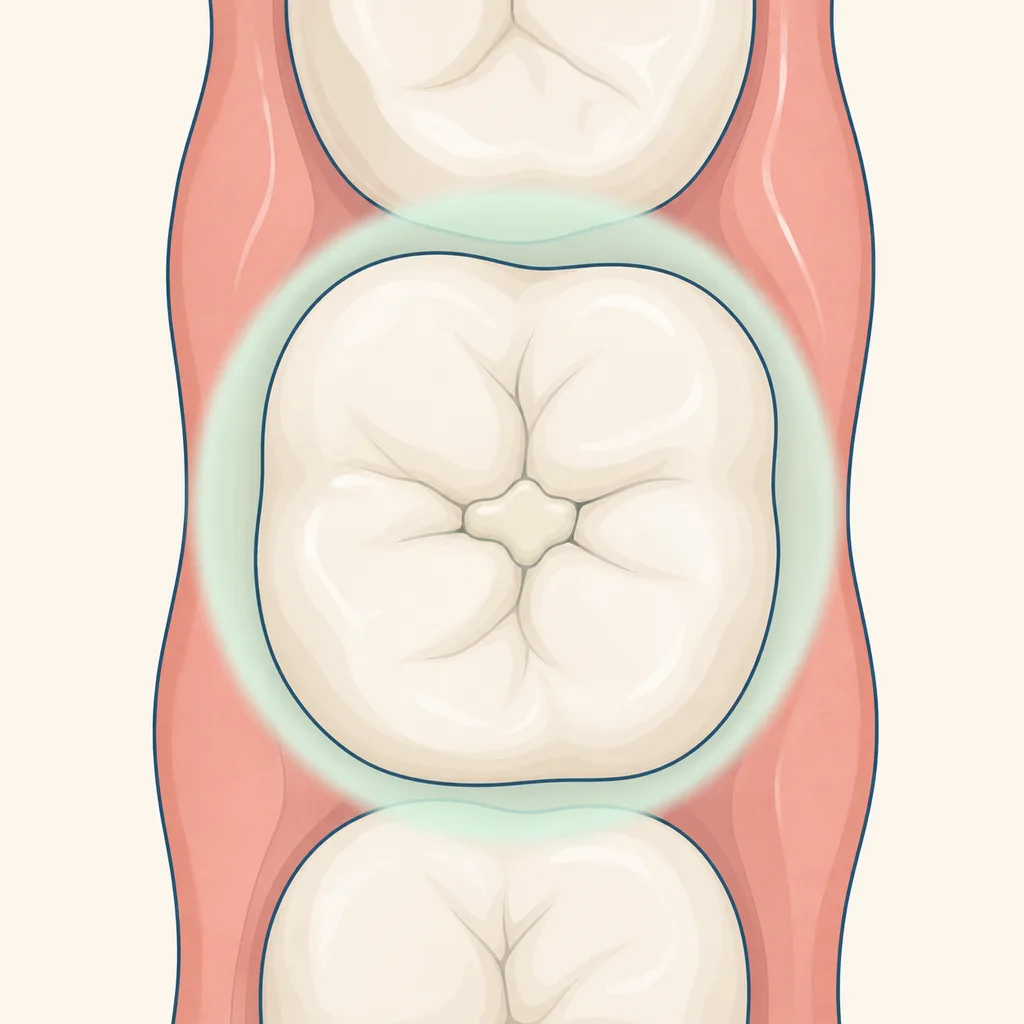
Tooth Pain After a Filling dental educational illustration

What does it feel like?

How the symptom may present
PatternWhat to noticeWhat to do
Brief triggerA short response after a stimulusRecord the trigger and arrange review if it repeats[5]
Persistent discomfortPain remains or returns without a clear triggerArrange a dental assessment, especially if it worsens[5]

[5]

What can cause it?

Tooth Pain After a Filling can happen when a tooth or gum problem causes pain or discomfort. Decay, swelling, damage, and pressure are possible causes, while the exact cause needs an examination.

[5]
Possible causes
Possible causeClues that may occurAssessment focus
Tooth problemPain linked with temperature, touch, or chewingCheck the tooth and surrounding tissues[5]
Gum problemSwelling, tenderness, or pain near the gumCheck the gum and nearby teeth[5]

[5]

What relief is safe tonight?

Keep the area clean and avoid the trigger while arranging care. Use pain-relief medicine only as directed on its label and only when suitable for you. Seek urgent dental help if swelling or severe symptoms develop.

[2][3]

How will a dentist diagnose it?

A dentist will ask when the symptom began, what brings it on, and whether it is changing. They may examine the tooth, gums, bite, and nearby areas to find the source.

[5]

How is it treated?

Treatment depends on the cause found during assessment. Care may address the tooth, gum, filling or root canal area, or another source of irritation.

[2]

How can you reduce the chance of it returning?

Brush and clean between teeth as advised, limit repeated exposure to causes of damage, and attend dental checks. Follow aftercare advice for any filling or root canal treatment.

[6]

When should you seek care?

Arrange dental care when pain lasts, returns, or does not improve. Seek urgent help for severe pain, swelling, or symptoms affecting swallowing or breathing.

[2][3]

Frequently asked questions

When should I seek help for tooth pain after a filling?

Seek dental care when it persists, returns, or worsens. Seek urgent help if severe pain or swelling affects swallowing or breathing.

[2][3]