
What it feels like
What can cause this pain?
Toothache has several recognised causes, including decay, a dental abscess, a cracked or damaged tooth, a loose or broken filling, gum disease, grinding, braces, and sensitivity.
[1][2]| Possible cause | What to tell the dentist |
|---|---|
| Tooth decay | Say when the pain began and whether a sweet or hot trigger brings it on[1][2] |
| Toothache from another dental problem | Describe the exact site, intensity, and whether the pain is spontaneous[1][2] |
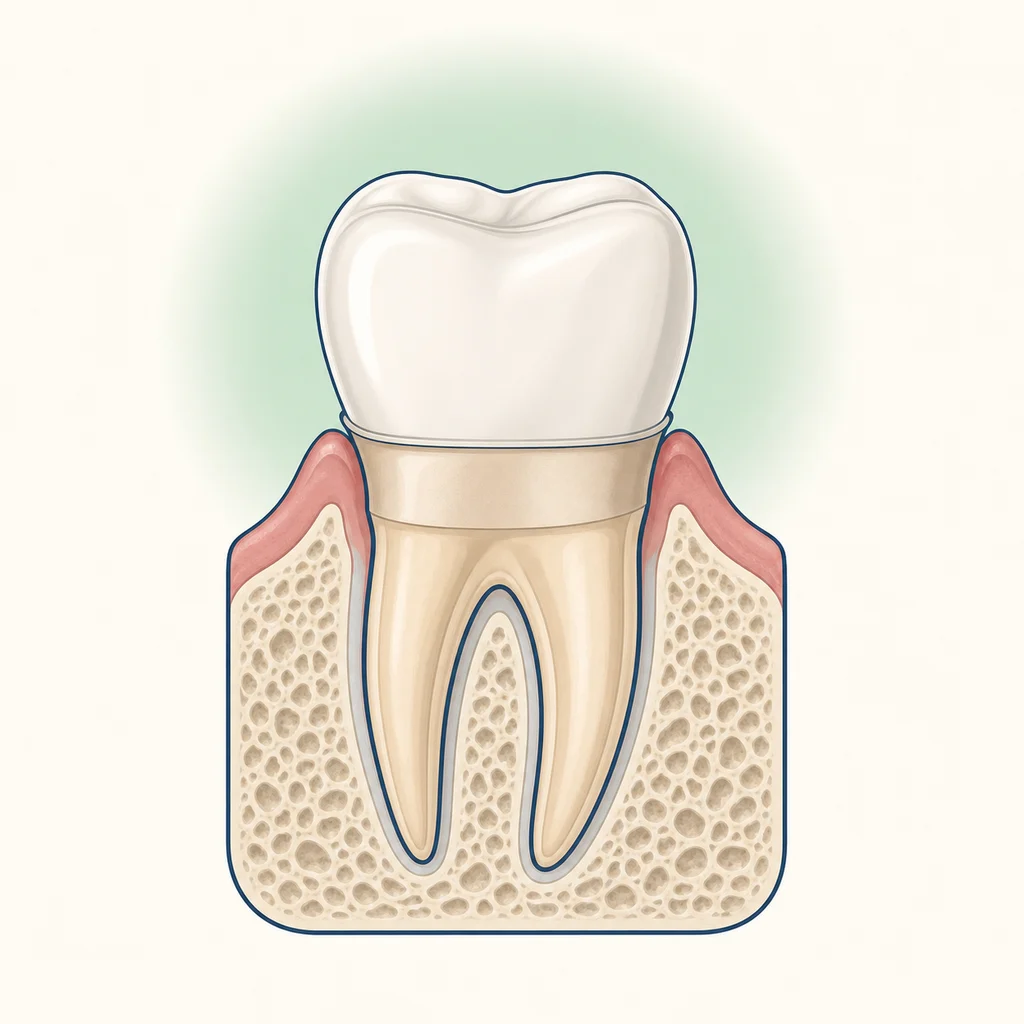
| Crown-related problem | Say whether the crown is loose, damaged, or uncomfortable when biting[1][2] |
What relief is safe tonight?
How will a dentist diagnose it?
The history records where the pain is, how long it lasts, and whether heat, cold, sweet food or drink, chewing, or brushing brings it on. Examination and dental radiographs help assess the tooth.
[1]What treatment depends on the cause?
How can you reduce the chance of it returning?
Brush with fluoride toothpaste twice a day for about two minutes, clean between your teeth daily, limit sugary foods and drinks to occasional treats at mealtimes, and attend regular check-ups.
[1]When should you seek dental care?
Get dental care when toothache lasts more than two days or does not settle with painkillers. Fever, pain on biting, red gums, a bad taste, or cheek or jaw swelling need prompt dental attention.
[1]Frequently asked questions
When should I seek care for tooth pain after a crown?
Seek dental care when the pain continues or returns, and seek urgent advice for severe toothache, swelling, or a damaged crown.
[1]