
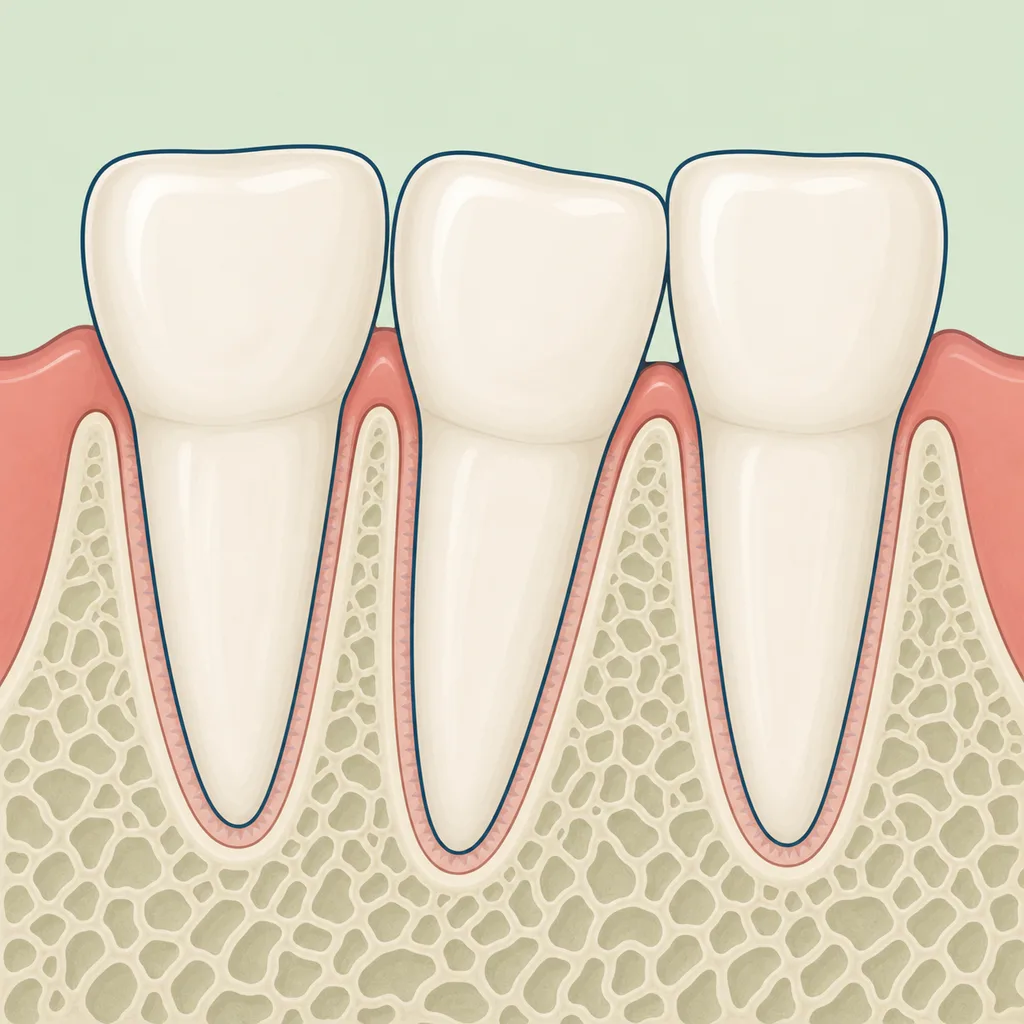
What does progressive tooth mobility feel like?
Why can mobility increase over time?
What relief is safe tonight?
Do not push the tooth with your tongue or fingers to measure movement. Contact a dentist for assessment instead of trying to brace it yourself.
[1]How is tooth mobility examined?
A dentist examines the gums and tissues that support the tooth. This assessment identifies periodontal disease and helps determine appropriate care.
[2]How is mobility managed when gum disease is present?
What supports healthier gums?
Why avoid waiting for more movement?
Periodontal disease can progress without treatment and may lead to further loss of tooth support. A dental examination identifies the problem and next steps.
[1]Frequently asked questions
Can tooth mobility get worse?
Periodontal disease can progress and further damage tooth support without treatment.
[1]Who wrote this page
This library is published by Dental Nation, a licensed dental group practising in the United Arab Emirates. Pages are written and overseen by the same clinical team that treats patients in our clinics, and are held to a fixed editorial standard for safety and accuracy.
This page is patient education, not medical advice, and cannot replace an examination. Anything urgent — facial swelling, trauma, uncontrolled bleeding or severe pain — needs a dentist or emergency care now.