
Tooth Feels Higher Than the Others
Tooth Feels Higher Than the Others describes a patient symptom that needs its pattern, possible cause, and urgency assessed together.
[1]The short answer
Tooth Feels Higher Than the Others can feel different from ordinary mouth discomfort because the location and pattern matter. Describe exactly what you notice, including whether the change is sore, swollen, loose, raised, or painful when you bite. A clear history helps a clinician compare the symptom with the mouth examination.
[1]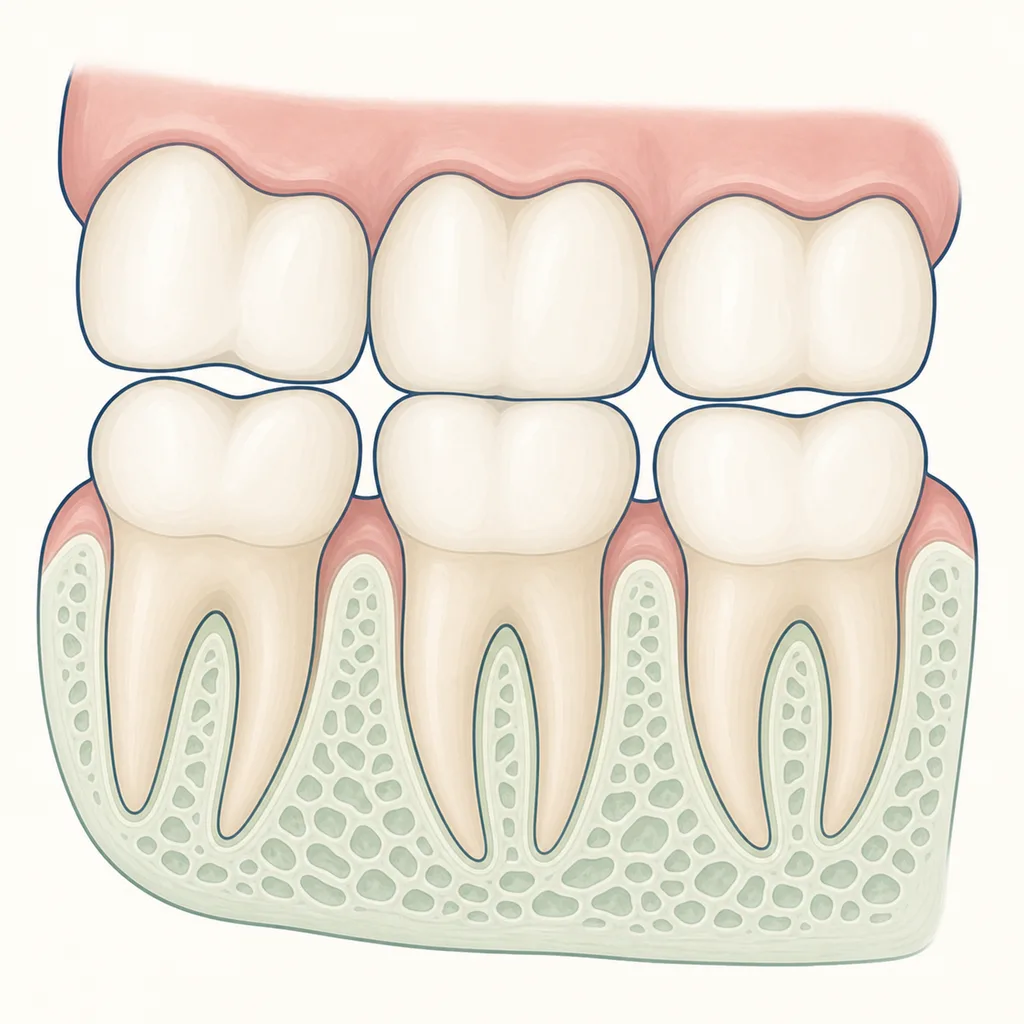
What it feels like
| What you notice | Why it matters | What to do |
|---|---|---|
| A new or changing symptom | The pattern helps guide the examination | Record when it started and arrange advice if it persists[1] |
| Pain, swelling, injury, or loss of function | These details can affect urgency | Mention them clearly during the assessment[1] |
Common causes
Several dental or nearby oral problems can produce symptoms like Tooth Feels Higher Than the Others. A blocked or inflamed area, an injured tooth, infection, or another local change may need to be considered according to the symptom pattern. The same description can have different causes, so a label based on appearance alone is unreliable.
[1]| What you notice | Why it matters | What to do |
|---|---|---|
| A new or changing symptom | The pattern helps guide the examination | Record when it started and arrange advice if it persists[1] |
| Pain, swelling, injury, or loss of function | These details can affect urgency | Mention them clearly during the assessment[1] |
What relief is safe tonight?
Until you can obtain advice, keep the area clean and avoid pressing, cutting, squeezing, or repeatedly testing it. Record changes in pain, swelling, temperature sensitivity, chewing, or mouth opening. If symptoms are worsening or spreading, use urgent dental or medical advice rather than waiting for home care to settle the cause.
[1][2]How is it diagnosed?
A clinician will ask when tooth feels higher than the others began, what changed, and whether pain, swelling, injury, or difficulty using the mouth is present. They can examine the teeth, gums, soft tissues, and nearby areas, then decide whether further assessment is needed. Bring the timeline and any recent dental or facial injury.
[1]What treatment may help?
Treatment depends on what the examination finds. Care may focus on the tooth, gums, salivary tissues, or another local source, and urgent problems may need faster attention. The appropriate option cannot be selected safely from the symptom name alone. A dentist can explain the finding, the choices, and the reason for the proposed treatment.
[1][2]How can you reduce the chance of it happening again?
Prevention depends on the cause. Regular oral care and dental checks can help identify problems before they become more difficult to manage. Protect teeth during activities where injury is possible, and seek advice after a dental trauma or a new persistent change instead of repeatedly examining it at home.
[2]When should you arrange care?
Arrange prompt dental assessment if tooth feels higher than the others persists, returns, becomes more painful, or is joined by swelling or a change in function. Seek urgent help for rapidly increasing swelling, trouble swallowing or breathing, or severe symptoms. A timely examination can separate a local dental problem from a condition needing a different route of care.
[1][2]Frequently asked questions
Can tooth feels higher than the others be diagnosed at home?
No. The symptom can have more than one possible cause, so an examination is needed to decide what it means and how quickly care is required.
[1]