
Dental Nation
Symptom guide

Teeth Grinding & Clenching

Grinding or clenching can cause jaw pain, headaches, disturbed sleep, tooth wear, sensitivity, and damaged fillings.

[1][2]

The short answer

Teeth grinding and clenching can damage teeth and fillings and cause jaw pain, headaches, earache, sensitivity, or disturbed sleep.

[1][2]
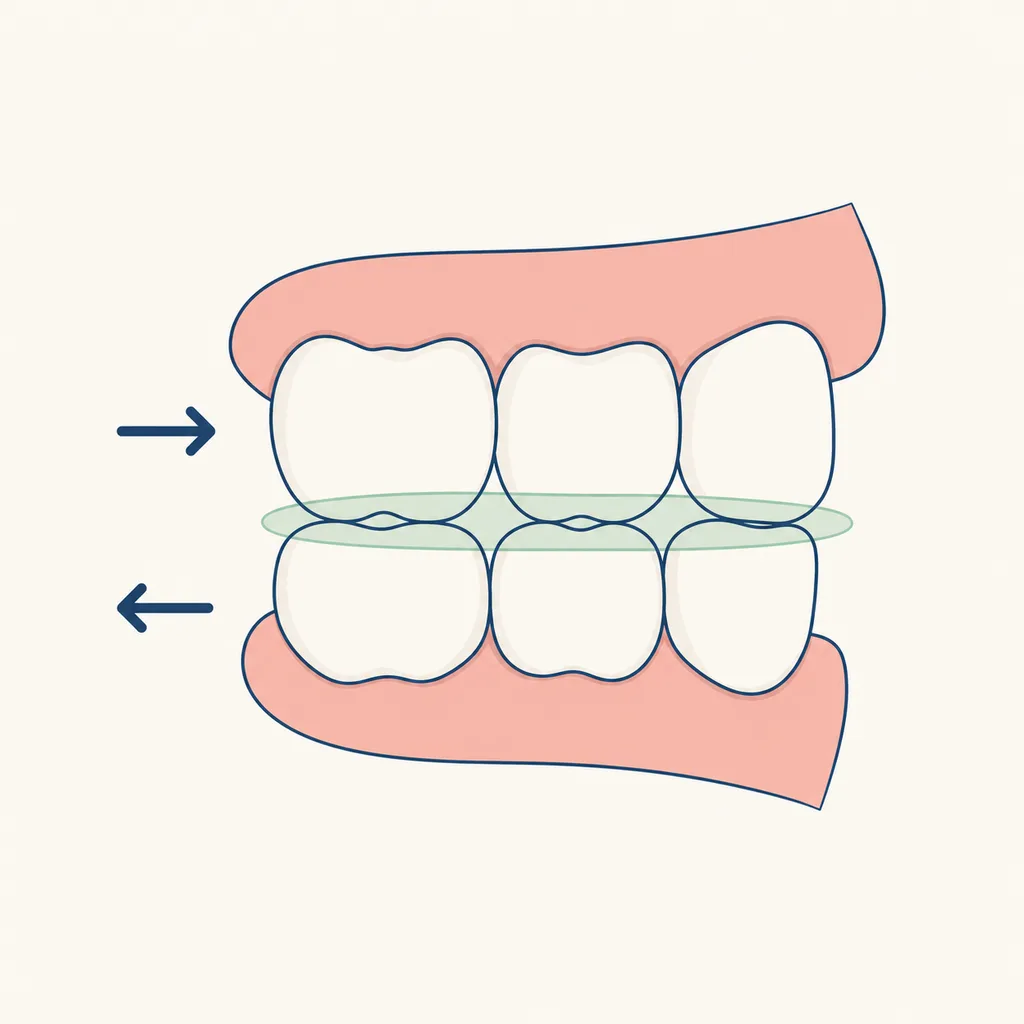
Teeth Grinding & Clenching dental educational illustration

What does grinding or clenching do?

Common effects of bruxism
EffectWhat you may notice
Jaw muscle strainPainful jaw or face[1][2]
Tooth wear or breakageSensitivity or lost fillings[2][1]

[1][2]

Why do people grind their teeth?

Bruxism may happen while a person is awake or asleep. Awake clenching is a subconscious habit, and changing it takes repeated practice; sleep-related grinding can be noticed by a partner.

[1][2]
When bruxism occurs
PatternDescription
Awake bruxismSubconscious clenching during the day[2][1]
Sleep bruxismGrinding or clenching while asleep[1][2]

[2][1]

What relief is safe tonight?

Reduce daytime clenching when you notice it, protect sleep, and avoid keeping the jaw muscles tense. Sleep hygiene and stress reduction can improve symptoms linked with TMD and bruxism.

[1][2]

How is bruxism identified?

A clinical history asks about jaw pain, headaches, sleep, and tooth damage. Examination can look for tenderness, jaw sounds, restricted movement, worn teeth, sensitivity, and damaged fillings.

[1][2]

What can help stop the damage?

Treatment focuses on reducing symptoms and protecting the teeth. Behaviour changes for awake clenching, improved sleep, stress management, and conservative jaw care are used; medicines are unlikely to be prescribed specifically for bruxism.

[1][2]

How can you limit future wear?

Interrupting daytime clenching and continuing to practise the new habit can reduce muscle activity. Acting when sensitivity or tooth damage appears helps prevent bruxism from progressing unnoticed.

[1][2]

When is grinding worth checking?

Arrange an assessment if grinding causes tooth damage or sensitivity, pain in the jaw, face, or ear, or if someone reports that you grind during sleep. Concern about a child’s grinding also warrants attention.

[1][2]

Frequently asked questions

What is the clearest sign that grinding is harming my teeth?

Tooth damage or sensitivity, including worn or broken teeth and lost fillings, is a clear reason to arrange an assessment.

[1][2]