
Sour Taste in the Mouth
A sour taste is a change in how food or drink seems to taste, and dry mouth can change taste and leave the mouth feeling uncomfortable.
[3]The short answer
A sour taste may appear when food or drink has finished, or it may remain when nothing is being eaten. The change belongs to taste perception, so the mouth can seem sour even when the food itself is not sour. Reduced saliva can also make the mouth feel dry or sticky and can alter taste. Note when the sensation began, whether it is constant, and whether dryness accompanies it. Those details give a dentist a clearer starting point.
[3]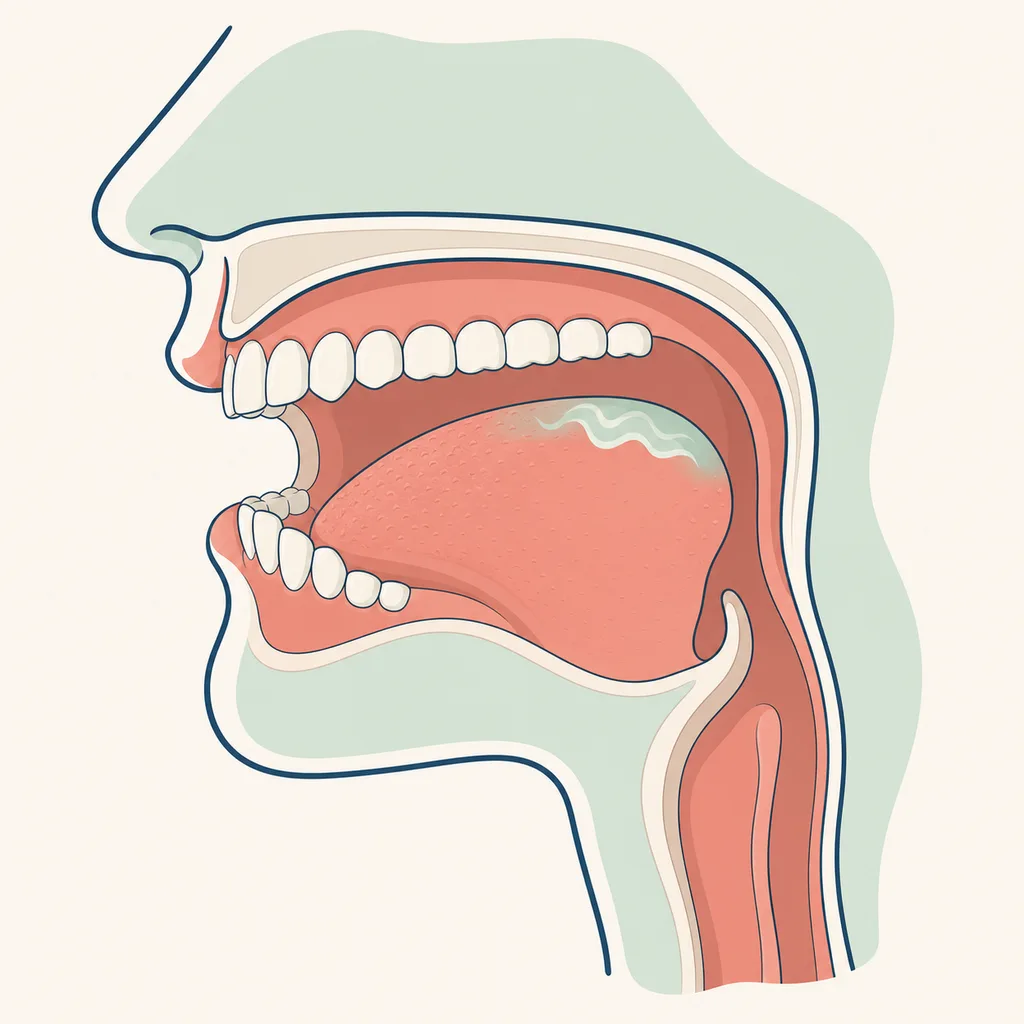
What does a sour taste feel like?
What can cause a sour taste?
An altered taste can have several explanations, and the taste alone cannot identify one cause. Dry mouth is one possible contributor because saliva supports comfort and normal mouth function. Medicines and other health factors can also be relevant to altered taste. A short symptom history should include medicines, recent illness, mouth dryness, and changes in eating or drinking. Avoid choosing a diagnosis from the flavour alone.
[2][3]| Clue | Why it matters | What to bring to review |
|---|---|---|
| Taste changed suddenly | The timing may help identify a recent contributor | List recent illness and medicine changes[2][3] |
| Taste change with dry mouth | Reduced saliva can accompany altered mouth sensation | Describe thirst, stickiness, or mouth dryness[2][3] |
What relief is safe tonight?
For a dry feeling, regular sips of water may improve comfort, and sugar-free gum or sweets can help stimulate saliva when appropriate. Choose water rather than drinks that leave the mouth feeling drier. Check medicine information with a pharmacist or prescriber before changing anything. Seek prompt care if the change in taste comes with a serious new symptom, or if it persists and needs assessment.
[3]How will a dentist assess it?
Assessment starts with the story: when the taste began, whether it follows food, and whether smell or taste has changed. A clinician can ask about medicines and health conditions, examine the mouth, and consider dry mouth or another explanation. The examination is used to decide what should happen next. A sour taste by itself does not establish a dental diagnosis, so describe the full pattern rather than naming a cause yourself.
[3]How is it treated when the cause is known?
Treatment follows the contributor found during assessment. When reduced saliva is part of the problem, measures that improve moisture and comfort may be discussed. If a medicine or another health factor is suspected, the appropriate prescriber may need to review it. The aim is to address the cause while protecting the mouth from the effects of persistent dryness. Do not stop a prescribed medicine without professional advice.
[3]How can you reduce repeat episodes?
Keep track of when the sour taste appears and whether the mouth feels dry at the same time. Regular water intake and saliva-supporting measures can help when dry mouth is involved. Tell a dental or medical professional about a persistent change rather than repeatedly covering it with flavoured products. Review medicines only with the person who prescribed them or a pharmacist who can advise safely.
[3]When should you arrange an assessment?
Arrange an assessment when a sour or altered taste does not settle, keeps returning, or occurs with persistent mouth dryness. Seek prompt medical advice for a serious new symptom or a sudden marked change that concerns you. A clinician can decide whether the next step is dental, medical, medicine-related, or focused on saliva and taste. Bring a list of medicines and a short record of when the taste appears.
[1][2]