
Dental Nation
Symptom guide

Sore or Painful Tongue

A sore tongue may be tender, burning, swollen, or painful when eating, with changes in colour or texture.

[2]
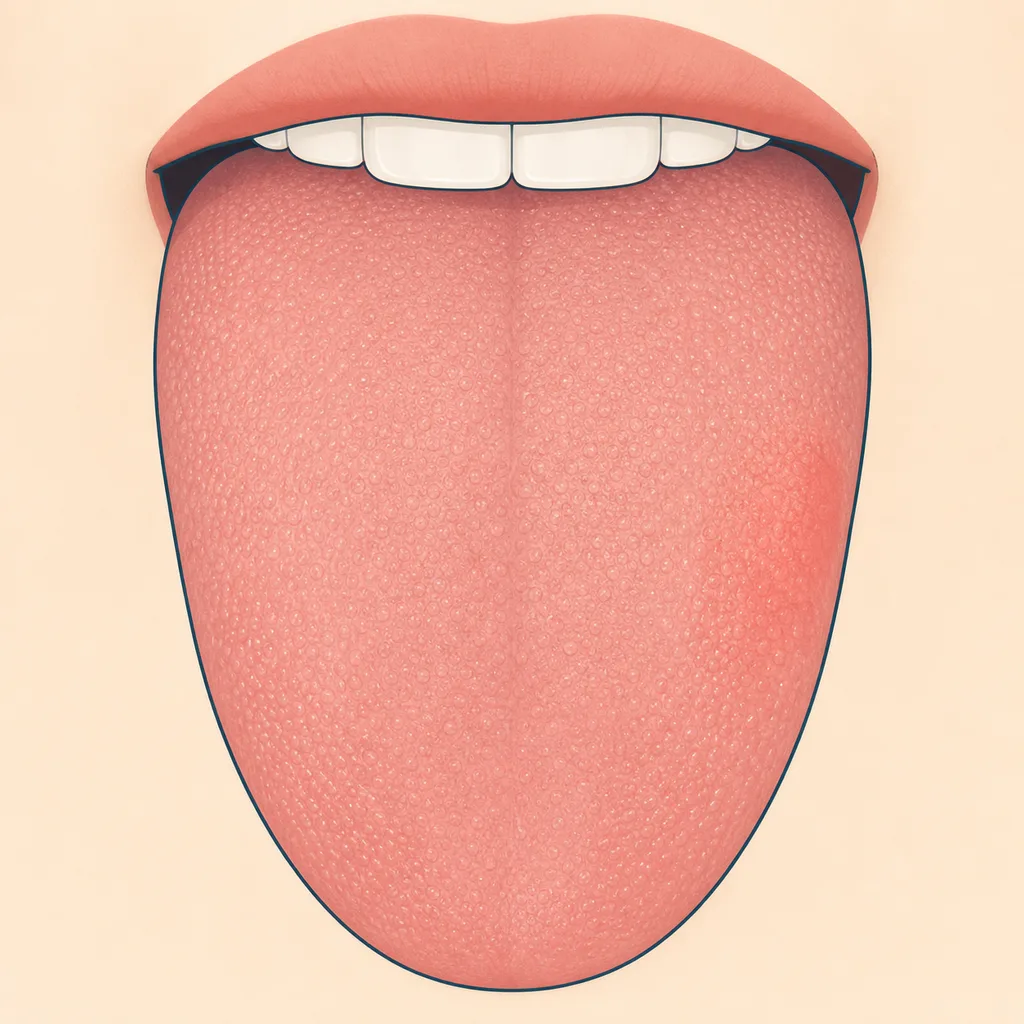
Sore or Painful Tongue dental educational illustration

What It Feels Like

A sore tongue may be tender, burning, swollen, or painful when eating, with changes in colour or texture.

[2]
Details to describe
DetailWhy it helps
Pain or burningShows the main sensation to assess[2]
Swelling or colour changeVisible findings may point to tongue inflammation[2]

[2]

What can cause a sore tongue?

A sore tongue can follow irritation, injury, or inflammation. Glossitis is inflammation of the tongue and can cause soreness, swelling, and changes to its surface. The same symptom can arise from different problems, so a persistent tongue complaint needs an examination.

[1][2]
Possible causes to discuss
PossibilityWhat to notice
Irritation or injuryWhether the soreness began after a local trigger[1][2]
GlossitisSwelling, tenderness, or a changed tongue surface[1][2]

[1][2]

What relief is safe tonight?

Keep mouth care gentle and avoid anything that clearly aggravates the tongue. Choose foods and drinks that do not increase the pain, and observe any swelling or surface change. Arrange advice if soreness persists, returns, or interferes with eating or drinking.

[1][2]

How will a dentist check it?

The clinician examines the tongue and mouth, asks about duration, triggers, and associated symptoms, and considers visible inflammation or another tongue problem. The history and examination together guide the diagnosis. A persistent sore tongue should not be labelled from appearance alone.

[2]

How is treatment chosen?

Treatment depends on what the examination finds. Irritation may need its trigger addressed, while glossitis or another tongue condition may need cause-specific care. The clinician explains the appropriate treatment after deciding whether the tongue is inflamed and why.

[1][2]

How can you prevent repeat soreness?

Use gentle mouth care and avoid known irritants. Pay attention to habits or local causes that repeatedly make the tongue sore, and seek advice when the problem returns. Prevention depends on the cause, so repeated soreness deserves a proper assessment.

[1][2]

When should you arrange an appointment?

Arrange an appointment when tongue soreness persists, recurs, or appears with swelling or a visible change. Prompt advice is appropriate when pain affects eating or drinking. Examination can identify a cause and guide treatment or monitoring.

[1][2]

Frequently asked questions

Is a sore tongue always caused by irritation?

No. Irritation is one possibility, while tongue inflammation and other problems can also cause soreness; persistent symptoms need examination.

[1][2]