
Snoring
Snoring is noisy breathing during sleep. The person who snores may not notice it, while someone nearby may hear the sound or notice disrupted sleep.
[3]The short answer
Snoring is noisy breathing during sleep. The person who snores may not notice it, while someone nearby may hear the sound or notice disrupted sleep. A dental or medical assessment is the right next step when it persists, worsens, or comes with other concerning symptoms.
[3]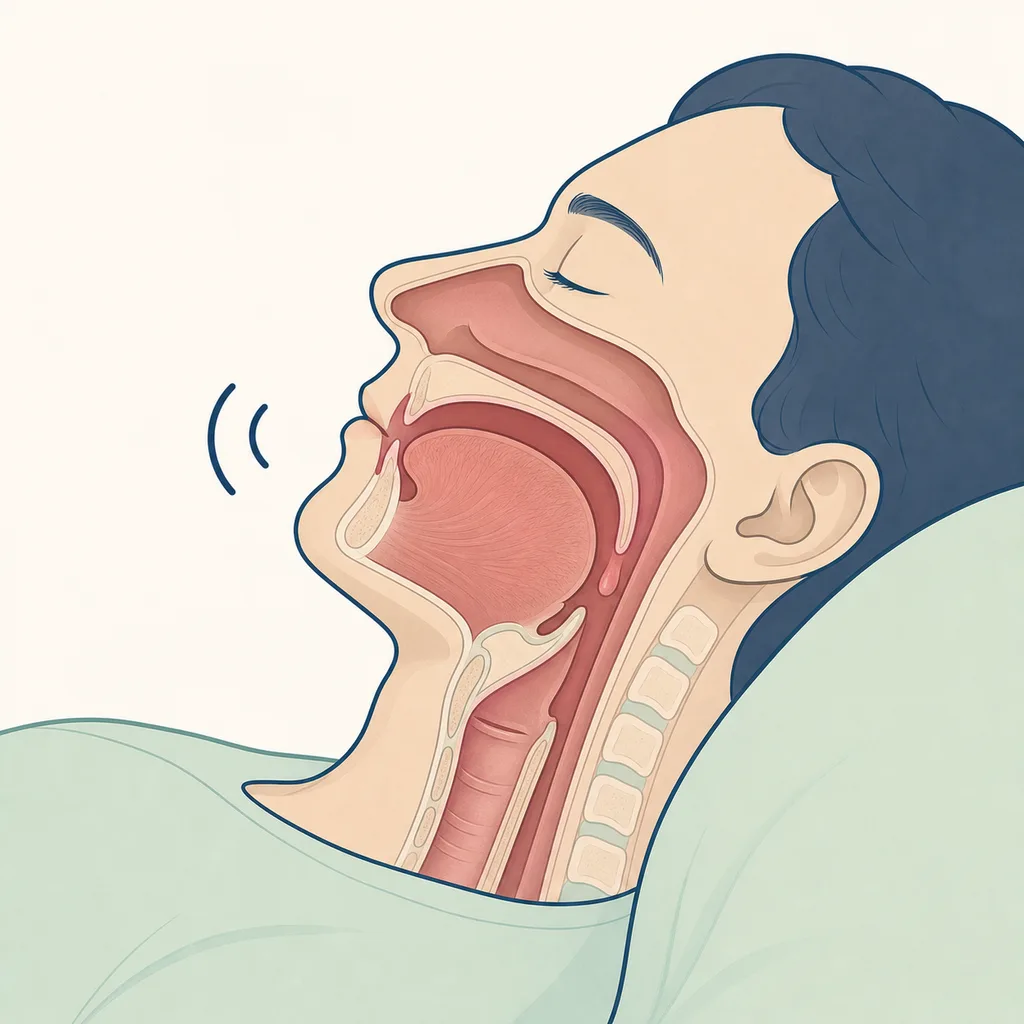
What does it feel like?
| Question | What to notice | Next conversation |
|---|---|---|
| When did it begin? | Snoring is noisy breathing during sleep. The person who snores may not notice it, while someone nearby may hear the sound or notice disrupted sleep. | Share the timing with a clinician[3] |
| What changed? | A new, persistent, or worsening pattern matters to the assessment. | Describe the change rather than guessing the diagnosis[3] |
What causes it?
Snoring can be linked with how the upper airway behaves during sleep. Enlarged adenoids are one possible cause, especially when breathing symptoms or sleep problems are also present.
[3][1]| Question | What to notice | Next conversation |
|---|---|---|
| When did it begin? | Snoring can be linked with how the upper airway behaves during sleep. Enlarged adenoids are one possible cause, especially when breathing symptoms or sleep problems are also present. | Share the timing with a clinician[3][1] |
| What changed? | A new, persistent, or worsening pattern matters to the assessment. | Describe the change rather than guessing the diagnosis[3][1] |
What relief is safe tonight?
Notice the pattern and ask whether breathing pauses, disturbed sleep, or daytime effects are present. Arrange medical advice when snoring is persistent, troublesome, or accompanied by concerning symptoms.
[3]How is it checked?
What treatment may help?
How can you reduce the problem?
When should you arrange care?
Snoring can remain a simple nuisance, but it can also sit alongside a breathing problem. The associated symptoms determine whether a review is needed.
[3]Frequently asked questions
When should I arrange an assessment?
Snoring can remain a simple nuisance, but it can also sit alongside a breathing problem. The associated symptoms determine whether a review is needed.
[3]