
Dental Nation
Symptom guide

Overgrown Gums

Overgrown gums describe gum tissue that appears to cover more of the teeth than usual or looks enlarged. The cause needs an examination.

[1]
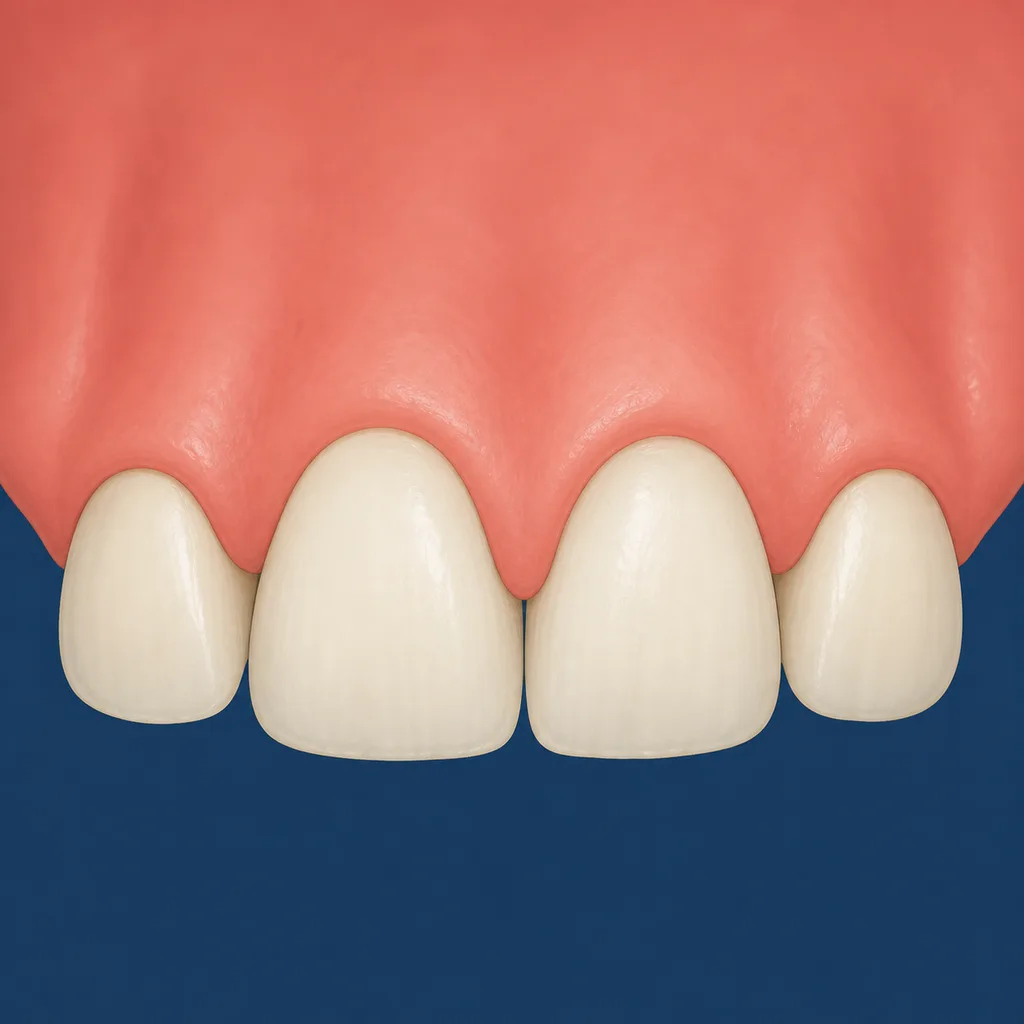
Overgrown Gums dental educational illustration

What does it feel like?

Overgrown gums describe gum tissue that appears to cover more of the teeth than usual or looks enlarged. The cause needs an examination.

[1]
Changes to note before an appointment
What you noticeWhy it helps the assessment
Location, duration, tenderness, or drainageThese details help describe the symptom during an assessment.[1]
A new or changing areaPersistence or change can affect how promptly it should be examined.[1]

[1]

What can cause it?

Swollen gum tissue can occur with gum disease or local irritation. Medicines and other health factors can also matter, so the pattern, medical history, and oral findings are relevant.

[1][4]
Possible next steps
Finding or concernTypical next question
A local dental symptomCould a nearby tooth or gum problem explain it?[1][4]
A persistent or changing areaDoes it need an examination or further testing?[1][4]

[1][4]

What relief is safe tonight?

Clean gently with a soft brush and between the teeth where possible. Do not cut the tissue yourself. Arrange a dental assessment, especially when bleeding, pain, or rapid change is present.

[2][3][4]

How is it checked?

A dentist examines the gums, teeth, plaque deposits, bleeding, and any pockets around the teeth. The history of medicines and health conditions can help distinguish local gum disease from other causes.

[1][4]

What treatment depends on the cause?

Treatment may involve professional cleaning and improved daily plaque control when gum disease is involved. Further treatment depends on the cause and how the tissue responds to initial care.

[1][4]

How can you reduce the chance of it returning?

Daily brushing and cleaning between teeth help control plaque. Regular dental care can identify gum inflammation early, while sharing a current medicine list helps the dentist assess possible contributors.

[1][4]

When should you seek care?

Arrange prompt care if the enlargement develops quickly, bleeds heavily, becomes painful, or interferes with eating. A persistent change should be examined rather than treated only as a cosmetic concern.

[2][3][4]

Frequently asked questions

Does overgrown gums need a dental assessment?

Arrange prompt care if the enlargement develops quickly, bleeds heavily, becomes painful, or interferes with eating. A persistent change should be examined rather than treated only as a cosmetic concern.

[2][3][4]