
Dental Nation
Symptom guide

Difficulty Chewing

Chewing can become painful or limited when jaw muscles or joints hurt, stiffen, lock, or make painful clicking or grating sounds.

[4][5]

The short answer

Difficulty chewing can result from jaw-muscle or jaw-joint pain, stiffness, limited movement, locking, or painful clicking, popping, or grating.

[4][5]
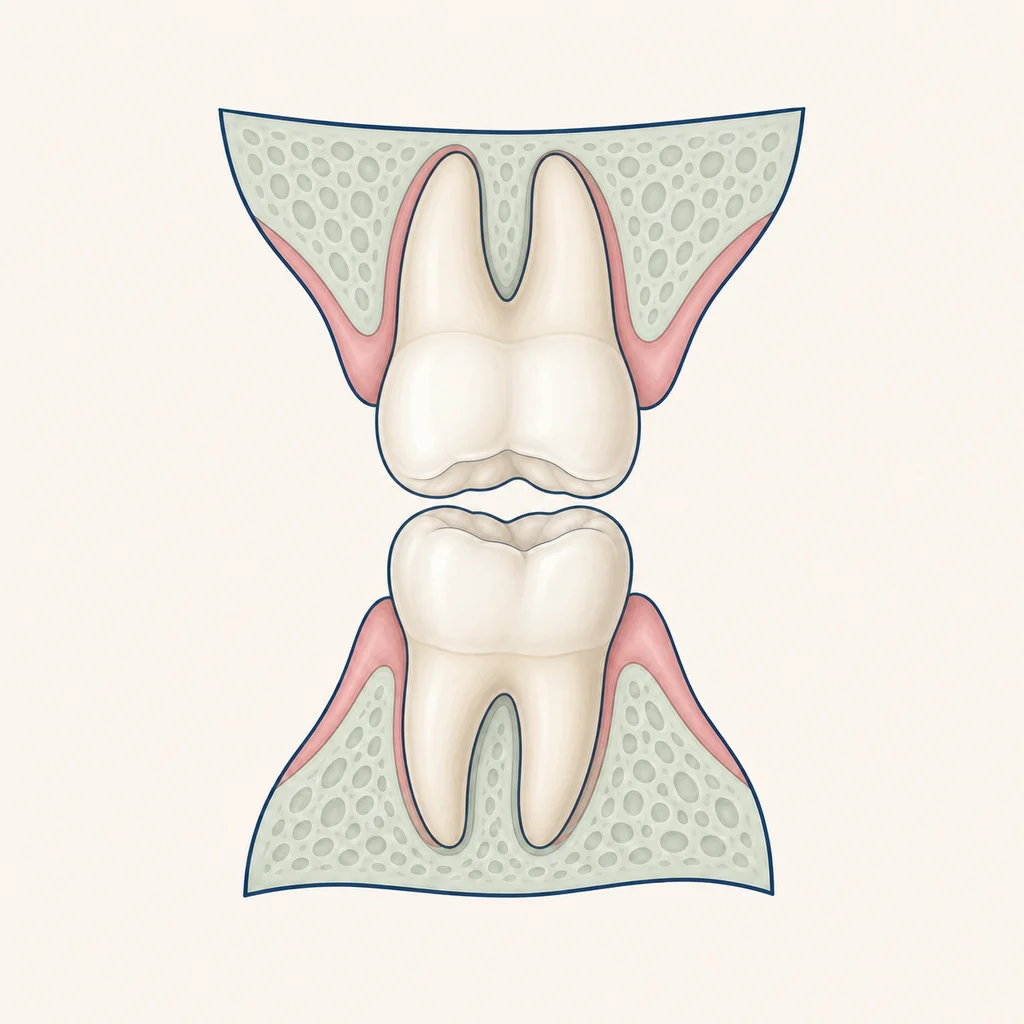
Difficulty Chewing dental educational illustration

What does difficulty chewing feel like?

Jaw symptoms that can interfere with chewing
SymptomHow it may affect the mouth
PainPain in chewing muscles or the jaw joint can spread to the face or neck[4][5]
MovementJaw stiffness, limited movement, locking, or deviation when opening[4][5]
Joint soundPainful clicking, popping, or grating during opening or closing[4][5]

[4][5]

What can make chewing difficult?

Temporomandibular disorders are more than 30 conditions affecting the jaw joints and muscles that control jaw movement. Injury can lead to some TMDs, but the exact cause is often unclear.

[4][5]
TMD classes
ClassArea involved
Joint disordersThe temporomandibular joints, including disc disorders[4][5]
Muscle disordersThe muscles used for chewing[4][5]
Headache disordersHeadaches associated with a TMD[4][5]

[4][5]

What relief is safe tonight?

Move the jaw only within a comfortable range. Reducing tooth contact except for chewing, swallowing, and speaking can reduce discomfort where tooth contact triggers pain.

[4][5]

How is chewing difficulty checked?

There is no single standard test for TMD. Assessment records pain and examines the head, neck, face, and jaw for tenderness, sounds, and movement difficulty; x-ray, MRI, or CT may be used.

[4][5]

How can chewing become easier?

Many TMDs last a short time and resolve without treatment. When symptoms persist, conservative methods are used first; stretching exercises, stress reduction, and behavioural therapy are described options.

[4][5]

How can chewing problems be reduced?

Avoid treatments that permanently change the jaw joint where possible, particularly surgery or TMJ implants. Stretching can improve range of motion, although it does not always do so.

[4][5]

When should difficulty chewing be checked promptly?

Jaw pain during opening, closing, chewing, or on waking, and an uneven bite, are signs that need assessment. A mouth sore lasting a week or longer also needs examination.

[1][2][3][4][5]

Frequently asked questions

Does painless jaw clicking cause chewing problems?

Clicking or popping without pain is common, considered normal, and does not need treatment.

[4][5]