
Delayed Teething
Most babies start teething around 6 months, but eruption can happen earlier or later; learn the signs and next steps.
[1]The short answer
Most babies start teething around 6 months, but eruption can happen earlier or later and the first teeth may appear in different patterns.
[1]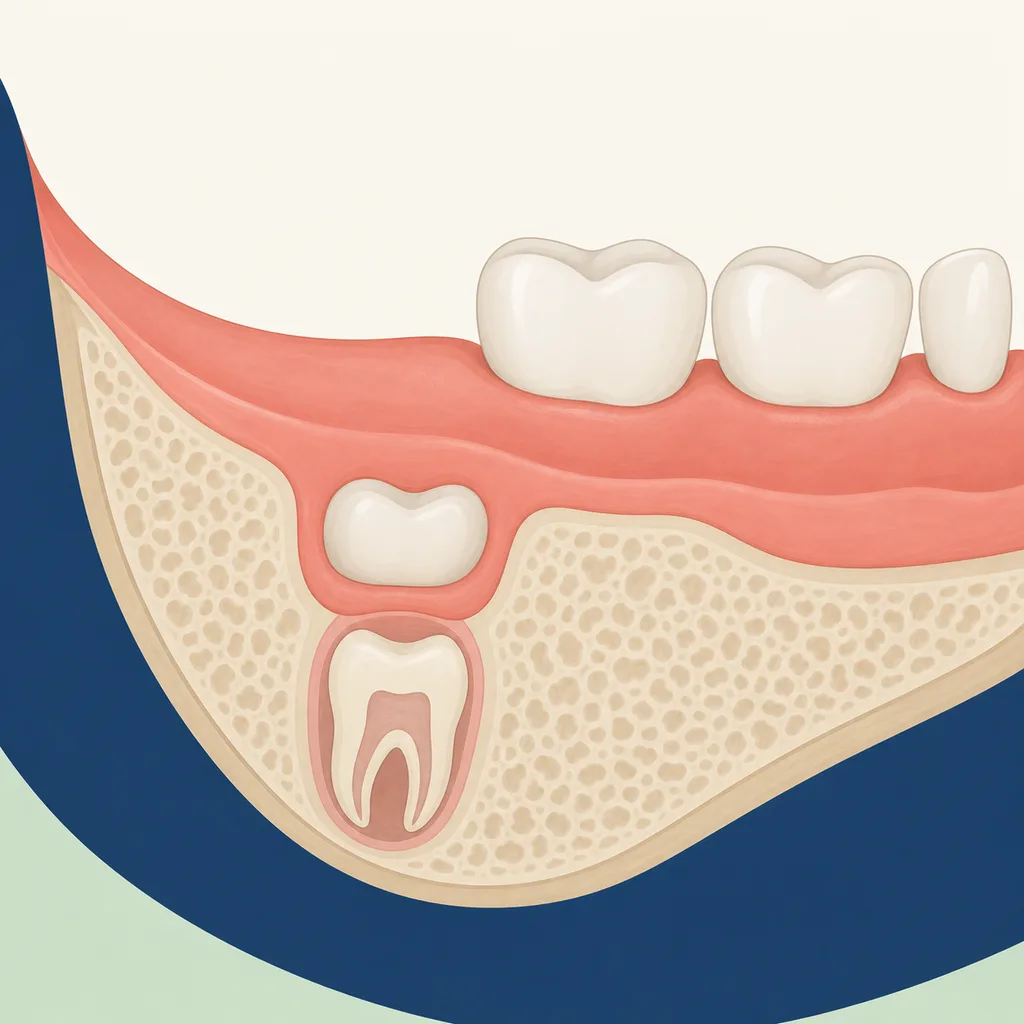
What does delayed teething look like?
Why might teeth appear later?
Some babies begin before 4 months, some after 12 months, and a few are born with teeth. Delayed eruption can also involve permanent teeth and may not need complex management.
[3]What relief is safe tonight?
A cooled fridge teething ring can soothe gums; never freeze it or tie it around the baby's neck. Sugar-free pain relief may be suitable at the age limits stated for paracetamol and ibuprofen.
[3]How is delayed eruption assessed?
The child dental service assesses the eruption pattern and decides whether routine care, community dentistry or specialist paediatric care is appropriate.
[3]What treatment may be offered?
Many children receive care in primary dental services. Children with additional needs can use community services, while specialist teams manage complex care and treatment under general anaesthetic in hospital.
[3]How can you protect early teeth?
Start fluoride brushing when the first milk tooth breaks through, limit sugary foods, and gently wipe dribble from the face when it causes a rash.
[2]When should delayed teething be checked?
A child with a dental emergency should receive timely assessment. Specialist-led services are available when a delayed eruption problem needs more complex management.
[3]