
Cracked Teeth
Cracked teeth can hurt when you bite or release pressure. See how cracks present, how they are found, and what treatment may involve.
[2]The short answer
Cracked teeth can produce a sudden sharp pain while biting, a brief pain as pressure is released, or sensitivity that comes and goes. A crack may be hard to see, and the visible line may not reflect the symptoms.
[2]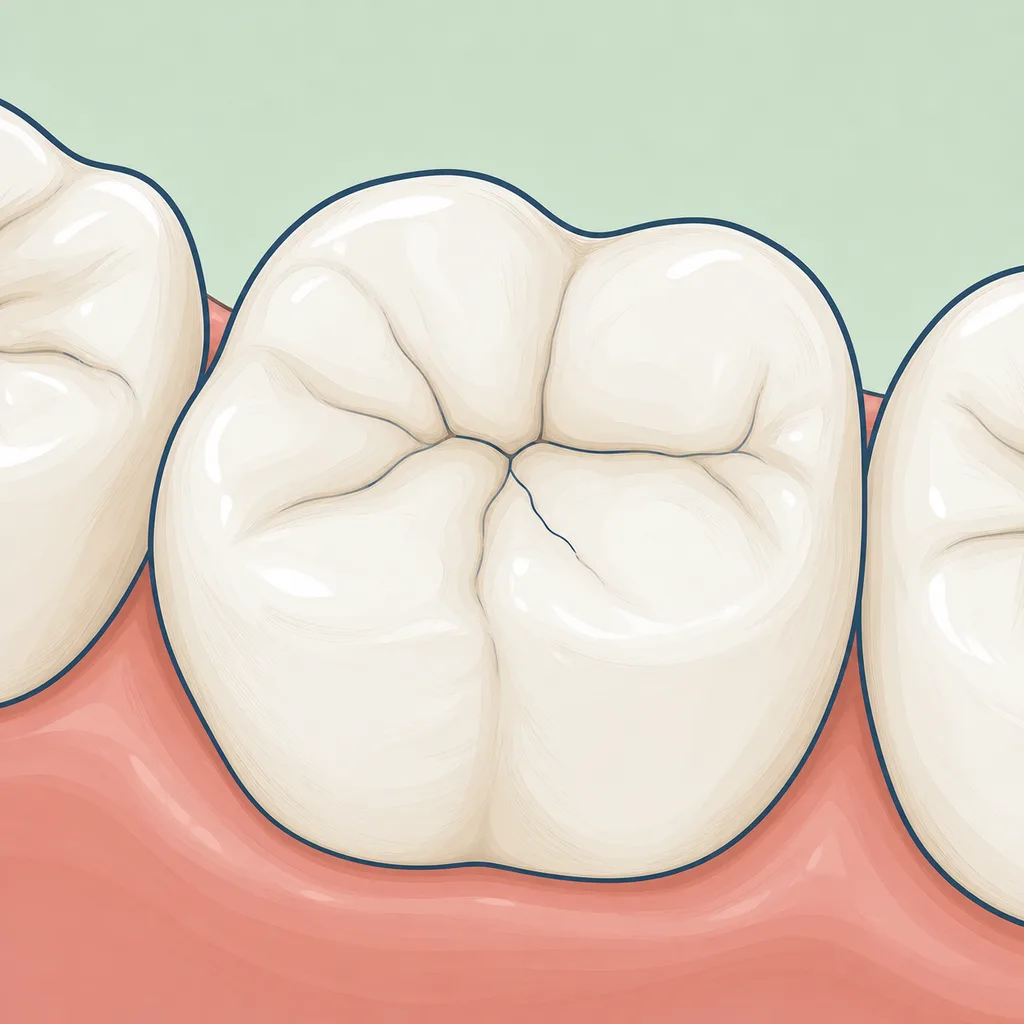
What it feels like
Common causes
Cracks can follow chewing forces, an injury, repeated stress, or weakened tooth structure. A dentist considers the tooth’s history and the pattern of symptoms when looking for the source.
[2]| Situation | What it may indicate | Useful next step |
|---|---|---|
| Surface or shape change | The outside of the tooth has changed | Ask for an examination before choosing a cosmetic fix[2] |
| Deeper tooth problem | The symptoms or appearance suggest damage below the surface | Seek dental advice and avoid chewing on it[2] |
What relief is safe tonight?
Stop chewing on the affected side and arrange dental assessment. Seek urgent help for severe pain, swelling, bleeding, or a significant break. A crack needs attention because continued biting can extend the damage.
[2]How a dentist checks it
Diagnosis combines the symptom pattern with an examination of the tooth and surrounding tissues. The dentist may use focused tests to identify which tooth reacts and whether the crack affects a deeper part of the tooth.
[2]What treatment depends on
How to lower the chance of another problem
Avoid using teeth to open objects and take care with hard foods. A mouthguard may help during activities with a risk of dental injury. Routine examinations can also find weakened teeth before a crack becomes obvious.
[3]Where this can lead
Frequently asked questions
Can cracked teeth be judged from appearance alone?
Cracked teeth have a fracture through part of the tooth. The crack may cause pain when biting or when pressure is released, sensitivity, or intermittent symptoms. Cracks can be difficult to see, and the symptoms do not always match what is visible.
[2]