
Dental Nation
Symptom guide

Cannot Open the Mouth Wide

A stiff or locking jaw can come with painful movement, facial pain, and changes in how the teeth meet.

[1][2]

The short answer

A mouth that will not open fully can be linked with jaw stiffness, locking, painful joint noises, and pain in the jaw muscles or joint.

[1][2]
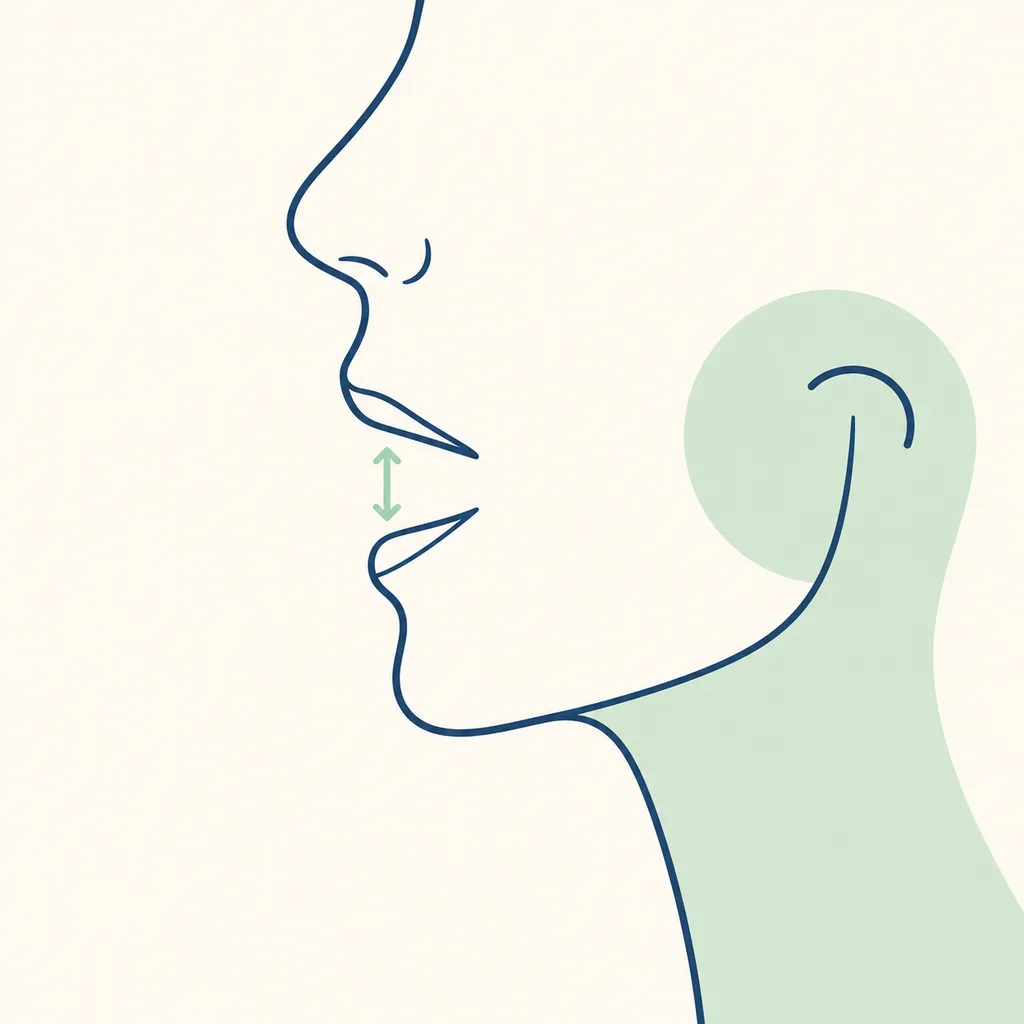
Cannot Open the Mouth Wide dental educational illustration

What does a limited opening feel like?

The pain can spread into the face or neck. Some people also notice ringing in the ears, dizziness, hearing changes, or a different fit between the upper and lower teeth.

[1][2]
Signs that can occur with restricted jaw movement
SignWhat it can feel like
Stiffness or lockingThe jaw has limited movement or catches during opening[1][2]
Painful joint soundClicking, popping, or grating hurts when the mouth opens or closes[1][2]

[1][2]

What can cause a jaw that will not open wide?

Temporomandibular disorder can follow teeth grinding, wear in the joint, a blow to the head or face, stress, or an uneven bite.

[1][2]
Listed contributors to temporomandibular disorder
ContributorRelevant detail
Teeth grindingGrinding is a listed cause of TMD[1][2]
Injury or wearA facial blow or wear and tear in the joint can be involved[1][2]

[1][2]

What relief is safe tonight?

Start with simple measures. TMD symptoms often settle without treatment, while procedures that enter or permanently change the jaw joint, especially surgery or implants, should be avoided where possible.

[1][2]

How is the cause checked?

There is no single standard test for TMD. Assessment records the pain history and checks the head, neck, face, and jaw for tenderness, sounds, and movement difficulty; X-ray, MRI, or CT imaging may also be used.

[1]

What treatment may restore movement?

Treatment begins simply. For a displaced joint disc, arthrocentesis may flush the joint and improve opening for a time; arthroscopy can show the joint and may remove adhesions or reposition the disc.

[1][2]

How can I reduce repeat jaw problems?

Knowing the type of TMD and beginning with simpler treatment helps keep permanent joint procedures out of the first line of care. Permanent changes carry risks that need to be understood beforehand.

[1][2]

When does limited opening need urgent attention?

Urgent assessment is needed if you cannot eat or drink, or if restricted opening comes with severe headaches, scalp tenderness, double vision, or loss of vision.

[2]

Frequently asked questions

Can clicking alone explain why my jaw feels stuck?

Clicking or popping without pain is common and does not need treatment, but painful sounds together with stiffness or locking can signal TMD.

[1][2]