
Burning Mouth
Burning mouth can feel scalding, tingling, or sore and may occur with dryness or a changed taste.
[5]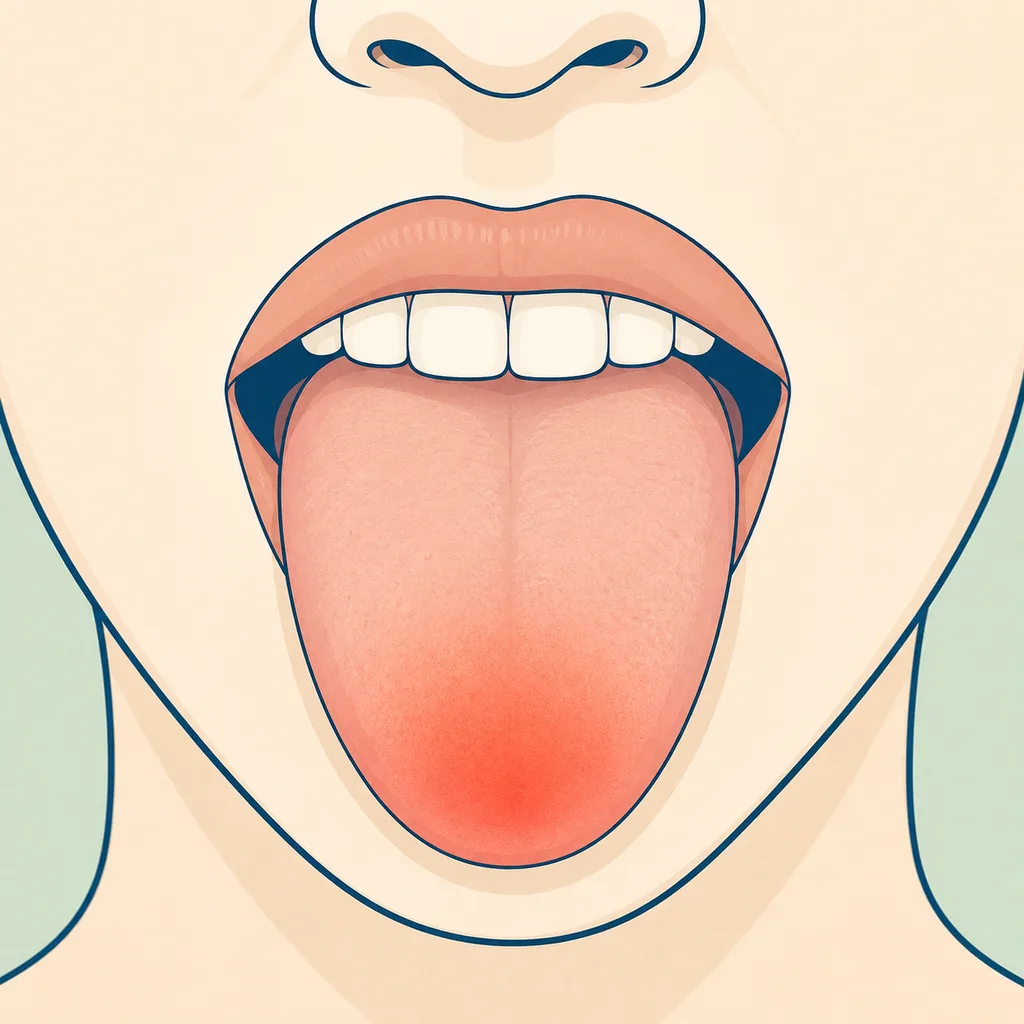
What It Feels Like
Burning mouth can feel scalding, tingling, or sore and may occur with dryness or a changed taste.
[5]What can cause burning mouth?
Burning can occur with tongue inflammation, mouth dryness, irritation, or other underlying problems. Glossitis is one condition that can produce a painful or swollen tongue. The symptom itself does not identify one cause, so an assessment considers visible changes, history, and associated symptoms.
[5]What relief is safe tonight?
Use gentle mouth care and avoid products or foods that clearly irritate the mouth. Note dryness, taste changes, swelling, or visible tongue changes. If burning is severe, keeps returning, or affects eating and drinking, arrange clinical advice instead of trying to diagnose the cause at home.
[1][2][3][5]How will a clinician check it?
Assessment includes questions about the burning pattern and an examination of the tongue and mouth. The clinician looks for visible causes and considers other tongue problems. A diagnosis is made after the history and examination are considered together, not from the sensation alone.
[5]How is treatment chosen?
Treatment follows the cause identified. A tongue inflammation or visible mouth problem may be managed differently from burning mouth syndrome. The plan may therefore focus on the underlying condition or on symptom management after other causes have been considered.
[5]How can you avoid making it worse?
Keep mouth care gentle and pay attention to products, foods, or habits that increase irritation. Address mouth dryness and report recurring symptoms. Prevention depends on the cause, so a persistent burning feeling still needs assessment rather than a permanent change to your routine based on guesswork.
[5]When should you arrange an appointment?
Frequently asked questions
Can burning mouth be diagnosed from the feeling alone?
No. The mouth and tongue need examination, and the history is considered with visible findings and other possible causes.
[5]