
Bleeding Gums
Bleeding gums can be a sign of gum disease and should be discussed with a dentist.
[2]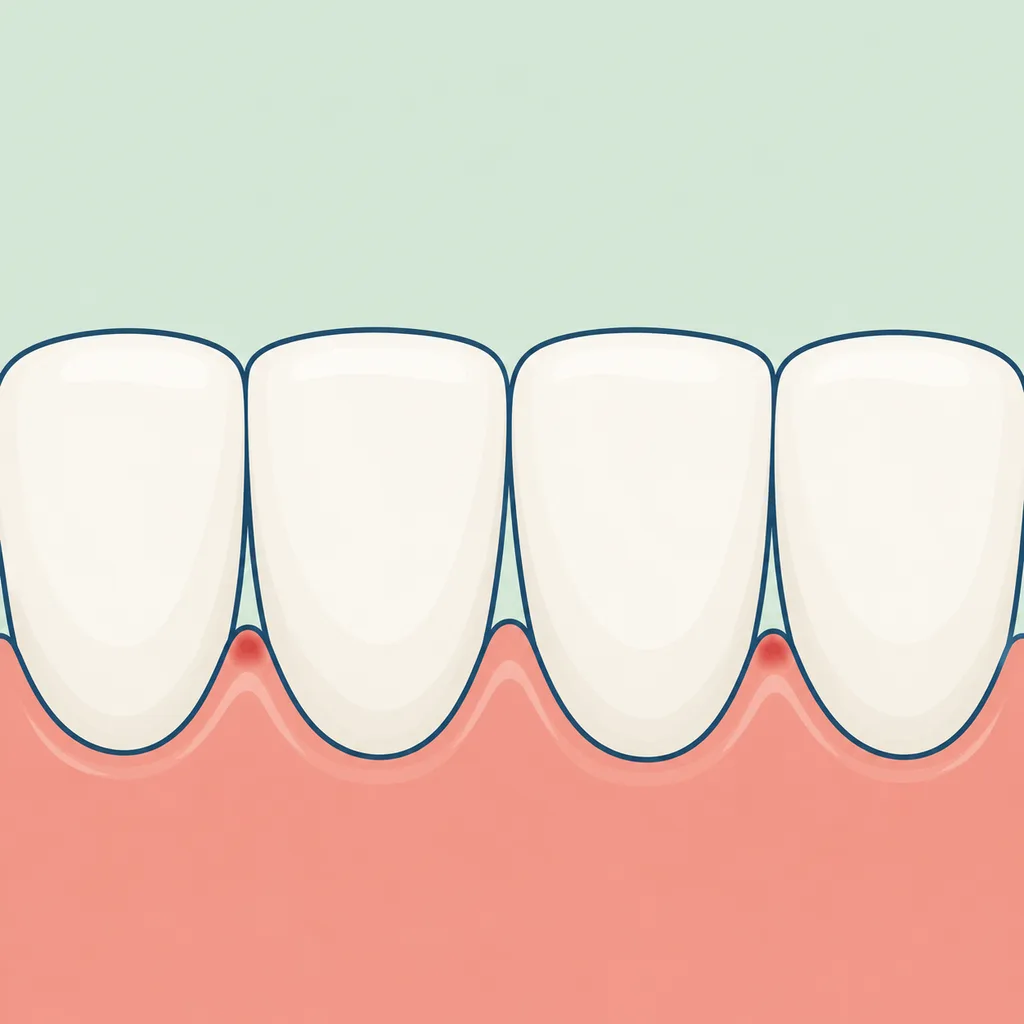
What does bleeding from the gums feel like?
Bleeding gums can be a sign of gum disease and should be discussed with a dentist.
[2]Why might gums bleed?
Gingivitis is a common form of gum disease. Plaque can build up around teeth and irritate the gums, which can lead to bleeding.
[2]What relief is safe tonight?
Keep your usual gentle oral hygiene routine and arrange a dental assessment for bleeding gums. Do not ignore bleeding that continues or is joined by other gum changes.
[2]How will a dentist check bleeding gums?
How is the cause treated?
Treatment for gum disease depends on its severity. Professional advice can include care to control plaque and a plan for looking after gums between appointments.
[2]How can you reduce gum problems?
Removing plaque through daily oral hygiene and regular dental care helps prevent gingivitis and supports gum health.
[2]Why should bleeding gums be checked?
Bleeding gums can signal gum disease. A dental assessment gives you a chance to identify the cause and discuss treatment before the problem is left unattended.
[2]Frequently asked questions
Should I brush if my gums bleed?
Daily oral hygiene is part of preventing gingivitis, and persistent bleeding should be discussed with a dental professional.
[2]