
Dental Nation
Symptom guide

Child's Gums Bleeding When Brushing

A child’s bleeding gums can reflect gum inflammation or plaque around the gumline and should be checked when it keeps happening.

[2][1]

The short answer

A child’s gums that bleed during brushing may reflect gum inflammation, particularly when plaque collects around the gumline.

[2][1]
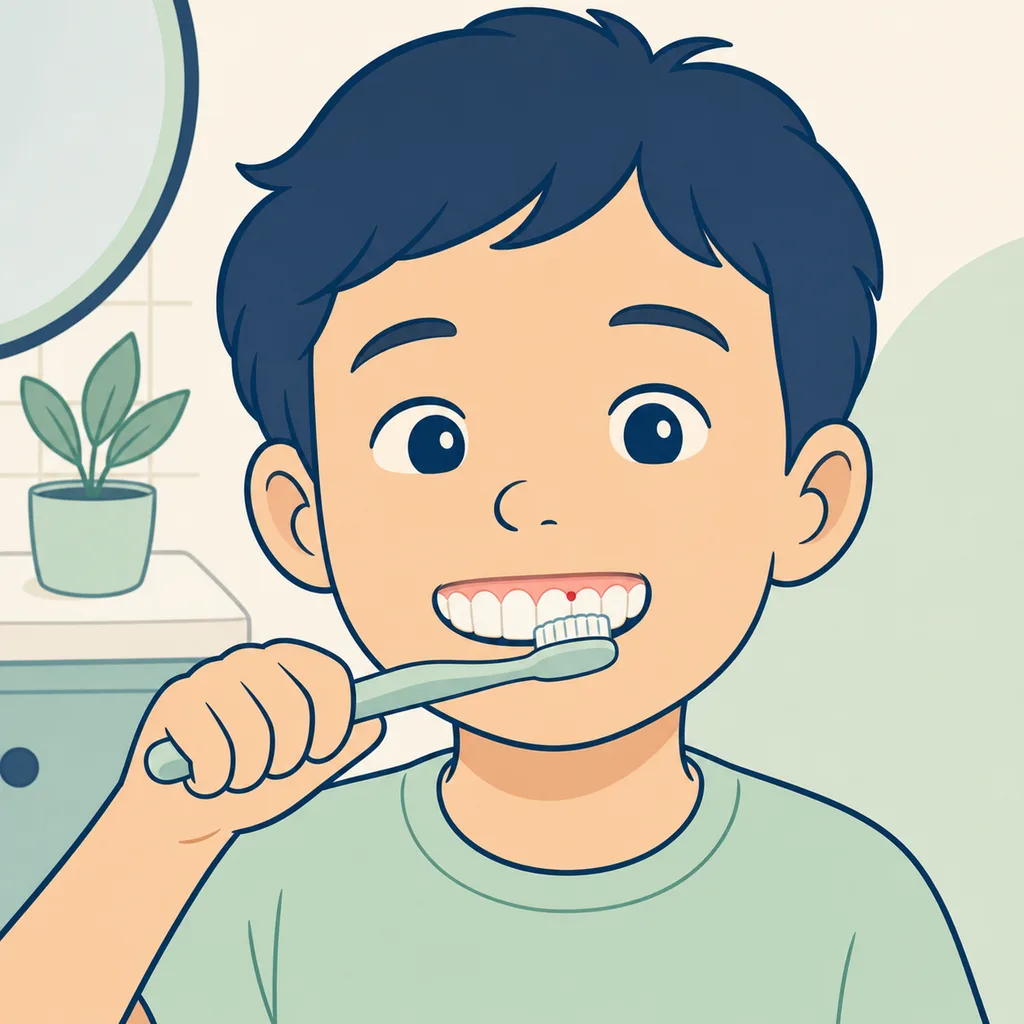
Child's Gums Bleeding When Brushing dental educational illustration

What it feels like

What it feels like
SituationWhat it suggestsWhat to do
Happens only with brushingRecord the location and frequencyShow the brushing pattern to the dentist[2][1]
Happens without brushingThe finding needs a clearer assessmentSeek dental advice rather than waiting[2][1]

[2][1]

Common causes

Plaque around the gumline can contribute to gum inflammation. Pediatric periodontal problems may also involve contributing conditions that need assessment in the child or adolescent.

[2][1]
Common causes
SituationWhat it suggestsWhat to do
Small amount after brushingThe gumline should be checked if it repeatsContinue gentle cleaning and arrange advice if persistent[2][1]
Bleeding from one painful areaA tooth or local gum problem needs examinationBook a dental assessment[2][1]
Bleeding with swelling or toothacheThe child needs faster dental guidanceContact a dental service promptly[2][1]

[2][1]

What relief is safe tonight?

Keep brushing gently with fluoride toothpaste rather than stopping cleaning because the gums bleed. Clean between the teeth each day with floss or interdental brushes.

[2][1]

How is it diagnosed?

The child’s gums and teeth are examined, with attention to periodontal findings, plaque, age, development, and any other symptoms. Pediatric assessment also considers conditions that may increase periodontal risk.

[2][1]

What helps a child's bleeding gums?

Management addresses the periodontal condition and its contributing factors. Pediatric periodontal care may include treatment considerations for adjunctive antibiotics or surgical therapy when indicated.

[2][1]

How can it be prevented?

Brush with fluoride toothpaste at least twice a day, spit after brushing without rinsing, clean between the teeth daily, and replace the toothbrush every two to three months.

[2][1]

Where can this lead?

Repeated bleeding with painful or swollen gums needs dental attention; the combination is more concerning than an isolated spot of blood.

[2][1]

Frequently asked questions

When should I seek dental advice?

A child with repeated gum bleeding should have a dental assessment, especially when pain, swelling, toothache, or eating difficulty is also present.

[2][1]