
What if an aligner does not fit?
A direct, source-backed answer to “What if an aligner does not fit”.
[2][3]The short answer
“What if an aligner does not fit?”; Do not force or trim a poorly fitting aligner Check that it is the correct tray, return to the prescribed instructions and contact the orthodontic team because tracking, damage or tooth changes may need check as part of the what if an aligner does not fit decision
[2][3][4][5]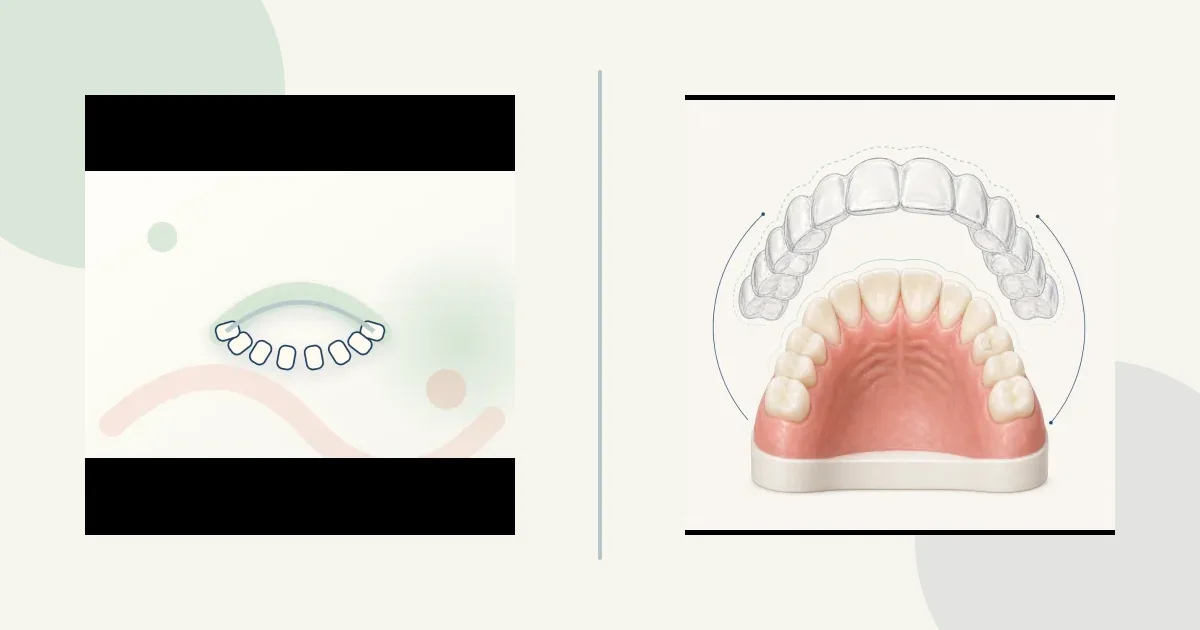
Direct answer: What if an aligner does not fit
| Answer part | What the research shows |
|---|---|
| Direct answer | “What if an aligner does not fit?”; Do not force or trim a poorly fitting aligner.[2][3] |
| What changes it | For “What if an aligner does not fit?”, the decisive details are the starting finding, location, timing, health history, earlier care and the procedure or appliance involved.[2][3] |
What changes the answer: What if an aligner does not fit
For “What if an aligner does not fit?”, the decisive details are the starting finding, location, timing, health history, earlier care and the procedure or appliance involved Records may include photographs, a scan or impressions and radiographs when clinically indicated Tooth decay and other dental work should be addressed before aligners are made to the existing tooth shape
[2][3]When to get help: What if an aligner does not fit
Mild pressure or short adjustment discomfort can occur as teeth begin moving, but sharp pain, facial swelling, trauma, a tooth that changes position suddenly or an appliance that cuts tissue needs prompt advice Unsupervised tooth movement can miss disease and bite problems An earlier call is appropriate when the problem progresses, disrupts eating or sleep, or no longer matches the aftercare instructions Those urgency rules apply to symptoms discussed when answering question “What if an aligner does not fit?”.
[2][3][6][7][8]| Stage | Source-backed step |
|---|---|
| When to get help | Mild pressure or short adjustment discomfort can occur as teeth begin moving, but sharp pain, facial swelling, trauma, a tooth that changes position suddenly or an appliance that cuts tissue needs prompt advice.[2][3][6][7][8] |
| Decision step | What if an aligner does not fit is a specific patient question within orthodontics, braces and clear aligners; its meaning depends on the exact wording and clinical findings.[1][3][2] |
What to ask: What if an aligner does not fit
Use “What if an aligner does not fit?” as the first appointment question, then ask what was measured, what could change the conclusion and who to contact if the situation changes When answering “What if an aligner does not fit?”, the clinician should also explain how this fact applies: What if an aligner does not fit is a specific patient question within orthodontics, braces and clear aligners; its meaning depends on the exact wording and clinical findings
[2][3][1]Related questions: What if an aligner does not fit
The “What if an aligner does not fit?” answer connects to separate questions about suitability, risks, recovery, maintenance, provider scope and comparable treatment quotations Fixed braces remove the daily decision about whether the appliance is in place and may handle some movements more predictably Ceramic and lingual systems change visibility and day-to-day experience but still require diagnosis and monitoring
[2][3][1]Decision bridge: What if an aligner does not fit
What if an aligner does not fit is a specific patient question within orthodontics, braces and clear aligners; its meaning depends on the exact wording and clinical findings After answering “What if an aligner does not fit?”, compare the general information with the examination findings Continue with guidance about What if an aligner does not fit that matches the diagnosed symptom, condition or treatment before choosing care for “What if an aligner does not fit?”.
[1][3][2]Frequently asked questions
Can this answer replace a dental examination,?
No Do not force or trim a poorly fitting aligner The written what if an aligner does not fit plan should state diagnosis, treatment goal and planned follow-up, missing evidence and check responsibility Examination findings determine what applies to one person
[2][3]What information should I bring to the appointment,?
Bring the symptom timeline, previous dental work, relevant health conditions, medicines and the outcome you want to the what if an aligner does not fit appointment An orthodontic assessment identifies the tooth and bite relationships that need correction
[2][3]Who wrote this page
This library is published by Dental Nation, a licensed dental group practising in the United Arab Emirates. Pages are written and overseen by the same clinical team that treats patients in our clinics, and are held to a fixed editorial standard for safety and accuracy.
This page is patient education, not medical advice, and cannot replace an examination. Anything urgent — facial swelling, trauma, uncontrolled bleeding or severe pain — needs a dentist or emergency care now.