
What should I do if a toothache won't go away?
Book a dental assessment when toothache has lasted longer than two days, even if pain relief has made it easier to manage
[2][3]The short answer
Toothache can come from decay, a crack, gum disease, a failing restoration, sensitivity, injury or infection Similar symptoms can have different causes, so the pattern of pain cannot identify the cause by itself A clinician examines the tooth and nearby tissues, then may use tests or imaging before advising which care fits the finding
[2][3]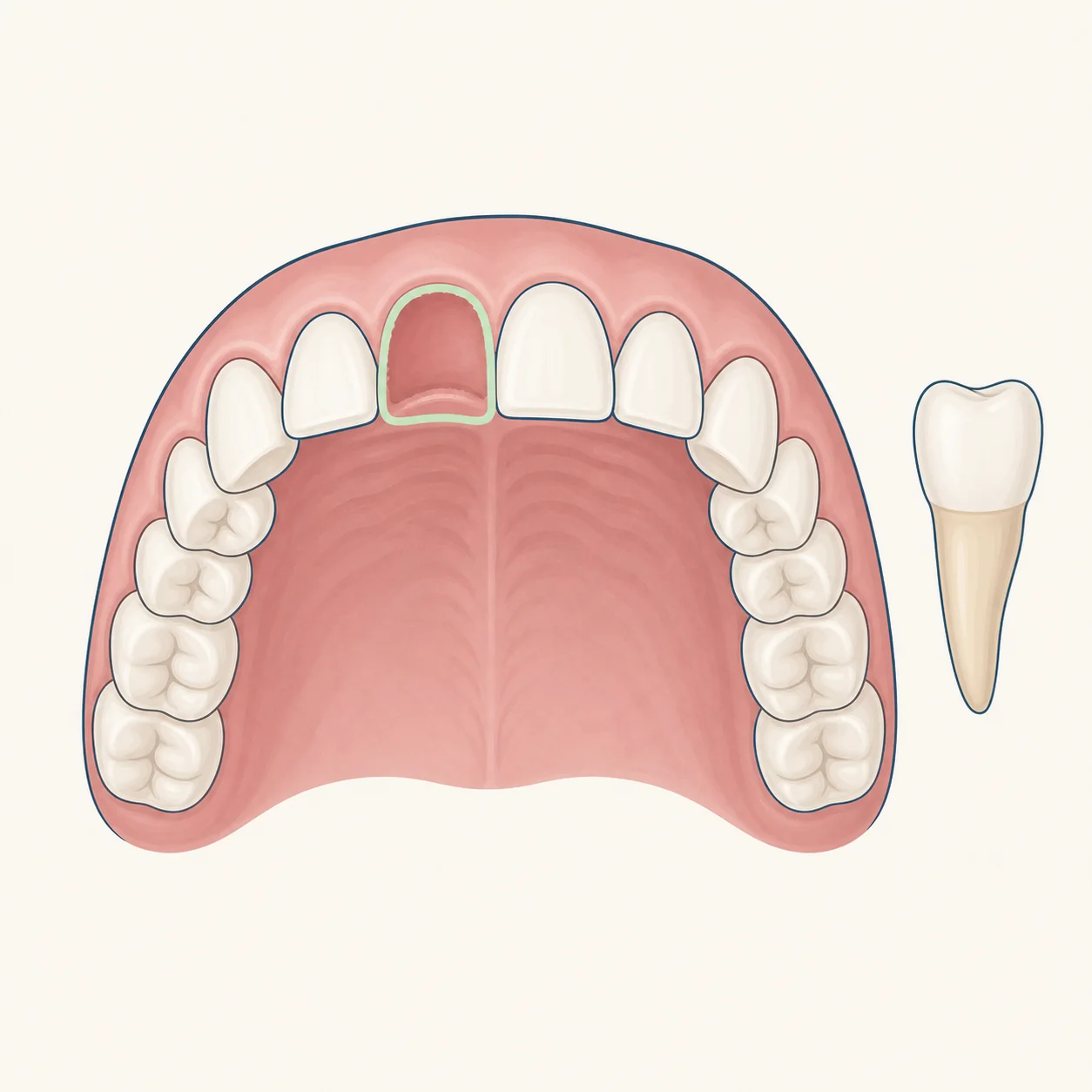
Direct answer
Painkillers can lessen discomfort while the underlying problem remains They do not show whether pain comes from decay, infection, a crack or another cause Treat relief as temporary when pain persists or returns, and arrange an assessment
[2]| Answer part | What the research shows |
|---|---|
| Direct answer | Toothache can come from decay, a crack, gum disease, a failing restoration, sensitivity, injury or infection.[2][3] |
| What changes it | Pain that begins without a trigger, stays after hot or cold, wakes you, or occurs mainly when biting can point the assessment in different directions.[2][3] |
Pain patterns that can affect how soon you are seen
Questions to ask once the cause is assessed
Ask what finding is thought most likely to cause the pain and whether any tests would clarify it Ask how urgent treatment is, the reasonable options if the tooth can be kept or cannot be kept, and what each option is intended to address Discuss the main limitations of each option and which symptoms should prompt an earlier dental check
[2][3]When medicines are suggested, ask how to use them safely alongside existing prescriptions, allergies and health conditions
[2][3]| Stage | Source-backed step |
|---|---|
| When to get help | Ask what finding is thought most likely to cause the pain and whether any tests would clarify it.[2][3] |
| Decision step | Contact an out-of-hours urgent dental service, a hospital dental department or a local health advice line. Describe the severity and relevant symptoms so the service can direct you appropriately.[3] |
If your regular clinic is closed
Contact an out-of-hours urgent dental service, a hospital dental department or a local health advice line Describe the severity and relevant symptoms so the service can direct you appropriately
[3]Frequently asked questions
Can the way a toothache feels tell me what is wrong,?
Its pattern can help decide how quickly you should be assessed, but it cannot determine the cause alone Examination, and sometimes tests or imaging, may be needed
[2][3]Why see a dentist if painkillers help,?
Pain relief may reduce discomfort without revealing or resolving the source Arrange an assessment if the pain continues or comes back
[2]Who wrote this page
This library is published by Dental Nation, a licensed dental group practising in the United Arab Emirates. Pages are written and overseen by the same clinical team that treats patients in our clinics, and are held to a fixed editorial standard for safety and accuracy.
This page is patient education, not medical advice, and cannot replace an examination. Anything urgent — facial swelling, trauma, uncontrolled bleeding or severe pain — needs a dentist or emergency care now.