
Reversible versus irreversible pulpitis?
Find out how reversible and irreversible pulpitis differ in their symptoms.
[2][3]The short answer
Reversible pulpitis may settle if its cause is addressed, whereas irreversible pulpitis may require root canal treatment or another appropriate pathway For pulp disease, the useful answer depends on the diagnosis inside the tooth, the amount of remaining tooth structure and the final restoration Root canal treatment removes inflamed or infected pulp, cleans and seals the internal space, and retains the tooth when that is clinically appropriate
[2][3]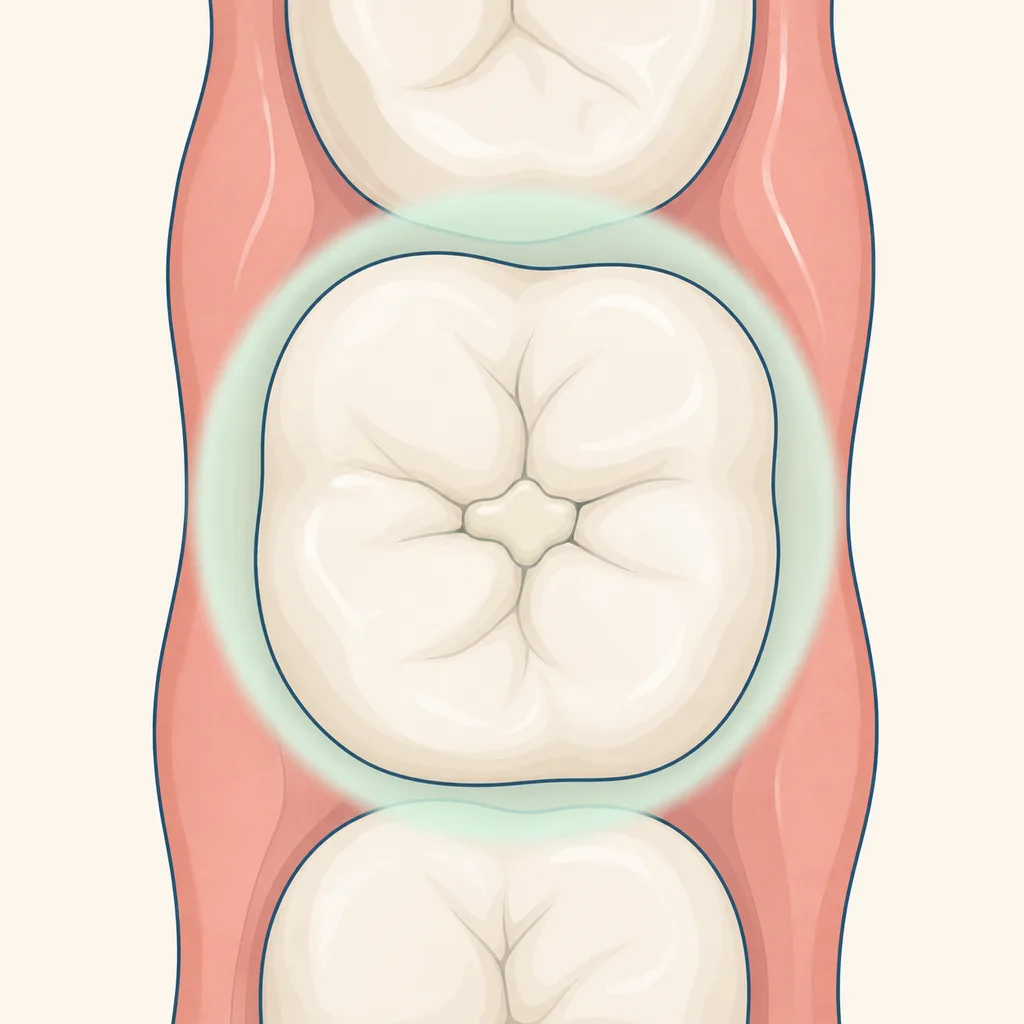
Direct answer
| Answer part | What the research shows |
|---|---|
| Direct answer | Reversible pulpitis may settle if its cause is addressed, whereas irreversible pulpitis may require root canal treatment or another appropriate pathway.[2][3] |
| What changes it | Pulp disease can lead to a different answer depending on the tooth involved, duration, triggers, examination findings and previous treatment.[2] |
What changes the answer
Pulp disease can lead to a different answer depending on the tooth involved, duration, triggers, examination findings and previous treatment Root canal treatment removes inflamed or infected pulp from inside a tooth The clinician cleans and disinfects the internal space, fills and seals it, then protects the tooth with a filling or crown
[2]When to get help
Pulp disease needs faster dental care when symptoms are severe, worsening or linked with swelling, fever, trauma or bleeding Root canal treatment is intended to retain a tooth, but healing and long-term survival cannot be guaranteed Complex or blocked anatomy, an undetected canal, leakage, new decay, a loose restoration or a fracture can contribute to persistent or later disease
[2][1][3]| Stage | Source-backed step |
|---|---|
| When to get help | Pulp disease needs faster dental care when symptoms are severe, worsening or linked with swelling, fever, trauma or bleeding.[2][1][3] |
| Decision step | For pulp disease, ask which finding explains the recommendation, what should happen next and which change should prompt an earlier call.[2] |
What to ask
For pulp disease, ask which finding explains the recommendation, what should happen next and which change should prompt an earlier call Ask which tooth and canals are being treated, what the X-ray shows, whether an endodontist is recommended, how the tooth will be restored, and what alternatives exist A root-filled tooth normally needs a sound final restoration for protection and function
[2]Frequently asked questions
What distinguishes reversible from irreversible pulpitis,?
Reversible pulpitis describes an inflammatory state the pulp can recover from with appropriate treatment, whereas irreversible pulpitis indicates damage that is permanent and cannot resolve on its own Whether pulpitis is reversible or irreversible depends on the diagnosis within the tooth, the tooth structure that remains and the planned final restoration For irreversible pulpitis when clinically appropriate, root canal treatment removes inflamed or infected pulp, cleans and seals the internal space, and retains the tooth
[2][3]What information should I take to a dental appointment about pulp disease,?
Note when the issue began, what changes it, previous treatment, relevant health conditions, allergies and medicines Before treatment, the dentist or endodontist identifies the tooth, reviews symptoms and medical history, examines restorability and studies radiographs that show the roots and surrounding tissues Bring any records you have and ask what the examination still needs to establish
[2][3]When should I seek faster care for pulp disease,?
For pulp disease needing faster care, remember that root canal treatment aims to retain the tooth, but healing and long-term survival cannot be guaranteed Seek faster care if complex or blocked anatomy, a missed canal, leakage, new decay, a loose restoration or a fracture is present, as each can drive pulp disease to worsen Contact a dental team sooner when pain, swelling, fever, trauma or bleeding is severe, worsening or disrupting normal function
[2][1][3]Keep reading
Who wrote this page
This library is published by Dental Nation, a licensed dental group practising in the United Arab Emirates. Pages are written and overseen by the same clinical team that treats patients in our clinics, and are held to a fixed editorial standard for safety and accuracy.
This page is patient education, not medical advice, and cannot replace an examination. Anything urgent — facial swelling, trauma, uncontrolled bleeding or severe pain — needs a dentist or emergency care now.