
How to soothe teething pain?
Look for tooth damage or swelling before deciding that sore gums are simply part of teething
[1][2]The short answer
Gentle measures may ease teething discomfort, although the right response depends on the child’s development, the tooth coming through, and the symptoms present A children’s dental examination can tell normal eruption apart from decay, infection, injury, or a bite problem and tailor advice to the child’s age
[1][2]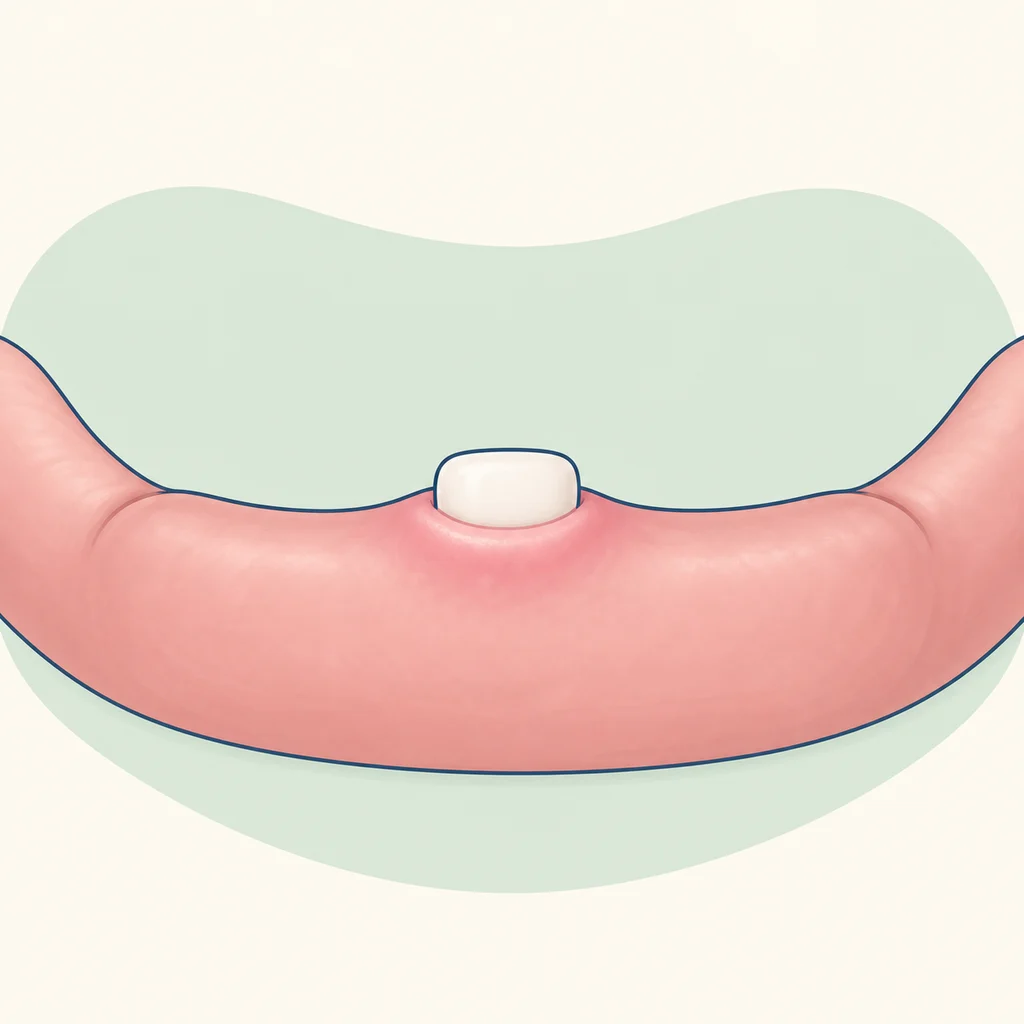
Start by separating eruption from tooth disease
Gum tenderness can accompany a tooth breaking through Families should report fever, poor feeding, swelling, or pain that keeps returning instead of attributing every episode to teething Decay that is visible, a chipped tooth, or swelling of the face warrants a dental assessment
[2]| Answer part | What the research shows |
|---|---|
| Direct answer | Gentle measures may ease teething discomfort, although the right response depends on the child’s development, the tooth coming through, and the symptoms present.[1][2] |
| What changes it | Speak to a dentist promptly if tooth pain persists, the face or jaw becomes swollen, fever occurs with a possible dental infection, a tooth breaks, pain is uncontrolled, or there has been serious dental trauma.[4][3] |
Signs that need prompt care
Speak to a dentist promptly if tooth pain persists, the face or jaw becomes swollen, fever occurs with a possible dental infection, a tooth breaks, pain is uncontrolled, or there has been serious dental trauma Home measures should not delay that contact
[4][3]In the UAE, dial ambulance number 998 if swelling interferes with breathing, swallowing, or speaking; reaches the eye or neck area; follows major facial trauma; or is accompanied by bleeding that will not stop
[5]Use the dental visit to plan ahead
Ask the team what they found, why that finding leads to the proposed advice, and what change means the family should call sooner Share when the symptoms started, what brings them on, and any treatment already given
[1][2]| Stage | Source-backed step |
|---|---|
| When to get help | Ask the team what they found, why that finding leads to the proposed advice, and what change means the family should call sooner. Share when the symptoms started, what brings them on, and any treatment already given.[1][2] |
| Decision step | AAPD timing places the first dental check at the appearance of the first tooth, with 12 months as the latest point. CDC advice likewise asks parents to arrange that visit by the child’s first birthday.[1][2] |
How does this answer connect to the decision?
Frequently asked questions
Who wrote this page
This library is published by Dental Nation, a licensed dental group practising in the United Arab Emirates. Pages are written and overseen by the same clinical team that treats patients in our clinics, and are held to a fixed editorial standard for safety and accuracy.
This page is patient education, not medical advice, and cannot replace an examination. Anything urgent — facial swelling, trauma, uncontrolled bleeding or severe pain — needs a dentist or emergency care now.