
How to sleep after wisdom tooth removal?
Learn the recommended sleeping position after wisdom tooth removal.
[2]The short answer
Sleeping with your head slightly raised helps limit swelling during the first night after wisdom tooth removal For wisdom-tooth care, the answer depends on tooth position, symptoms, infection, the neighbouring tooth and the planned anaesthetic A wisdom tooth that causes no problem may be monitored, while pain, recurrent gum infection, decay, a cyst or an abscess can support a removal discussion
[2]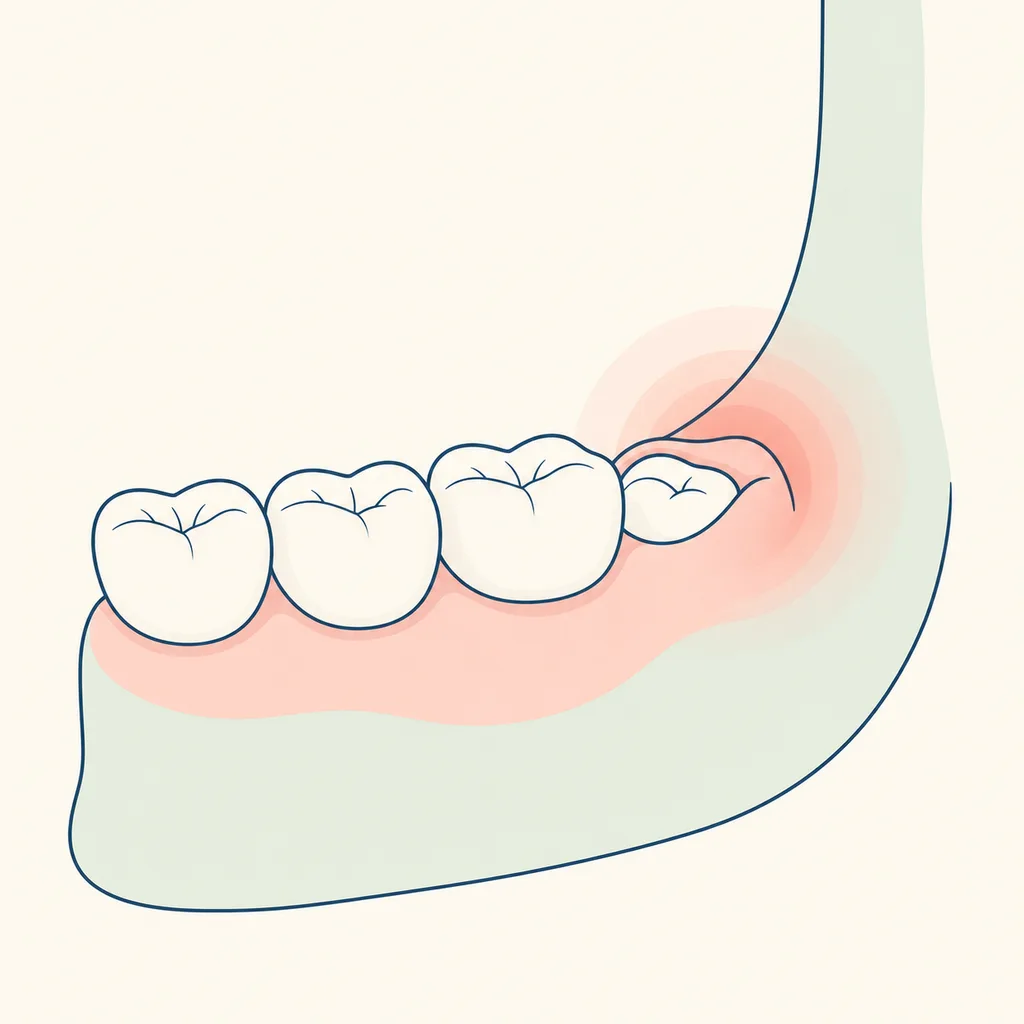
Direct answer
| Answer part | What the research shows |
|---|---|
| Direct answer | Sleeping with your head slightly raised helps limit swelling during the first night after wisdom tooth removal.[2] |
| What changes it | Wisdom-tooth care can lead to a different answer depending on the tooth involved, duration, triggers, examination findings and previous treatment.[2] |
What changes the answer
Wisdom-tooth care can lead to a different answer depending on the tooth involved, duration, triggers, examination findings and previous treatment Wisdom teeth usually begin to emerge in the late teens or early twenties, although they can cause problems at any age A tooth is impacted when another tooth or a lack of space blocks full eruption; it may also remain partly payer-reviewed by gum
[2]When to get help
Wisdom-tooth care needs faster dental care when symptoms are severe, worsening or linked with swelling, fever, trauma or bleeding Ask for urgent advice when bleeding does not stop, pain or swelling is severe or worsening, pain relief is not helping, or pain occurs with a bad taste, high temperature or feeling unwell A clinician needs to examine the area to distinguish expected healing, dry socket and infection
[2][1]| Stage | Source-backed step |
|---|---|
| When to get help | Wisdom-tooth care needs faster dental care when symptoms are severe, worsening or linked with swelling, fever, trauma or bleeding.[2][1] |
| Decision step | For wisdom-tooth care, ask which finding explains the recommendation, what should happen next and which change should prompt an earlier call.[2] |
What to ask
For wisdom-tooth care, ask which finding explains the recommendation, what should happen next and which change should prompt an earlier call The dentist asks about symptoms and medical history, examines the wisdom-tooth area and may take an X-ray to check how the tooth is positioned Those findings help decide whether the tooth can be monitored, removed by a dentist or referred for specialist care
[2]Frequently asked questions
What sleeping position and precautions support recovery after wisdom tooth removal,?
Sleep with your head elevated to help reduce post-operative swelling How you sleep after wisdom-tooth removal depends on the tooth's position, symptoms, infection, the neighbouring tooth and the planned anaesthetic After wisdom tooth removal, remember that an unaffected wisdom tooth may be monitored, whereas pain, repeated gum infection, decay, a cyst or an abscess can justify discussing removal
[2]What information should I take to a dental appointment about wisdom-tooth care,?
Note when the issue began, what changes it, previous treatment, relevant health conditions, allergies and medicines Take details of symptoms and medical history to the appointment; the dentist examines the wisdom-tooth area and may take an X-ray to check its position Bring any records you have and ask what the examination still needs to establish
[2]When should I seek faster care for wisdom-tooth care,?
Contact your dental team or an urgent dental service if bleeding after wisdom-tooth treatment does not settle, if pain or swelling is worsening rather than improving, if pain relief is proving ineffective, or if pain is accompanied by an unpleasant taste, a raised temperature, or general unwellness Faster care requires a clinician to examine the area for expected healing, dry socket or infection Contact a dental team sooner when pain, swelling, fever, trauma or bleeding is severe, worsening or disrupting normal function
[2][1]Who wrote this page
This library is published by Dental Nation, a licensed dental group practising in the United Arab Emirates. Pages are written and overseen by the same clinical team that treats patients in our clinics, and are held to a fixed editorial standard for safety and accuracy.
This page is patient education, not medical advice, and cannot replace an examination. Anything urgent — facial swelling, trauma, uncontrolled bleeding or severe pain — needs a dentist or emergency care now.