
Gum travel toothbrush
For travel, choose a small soft-bristled toothbrush with a protective case, and keep cleaning the gumline twice a day.
The short answer
For travel, choose a small soft-bristled toothbrush with a protective case, and keep cleaning the gumline twice a day. The most important feature is that you can use it comfortably and consistently with fluoride toothpaste.
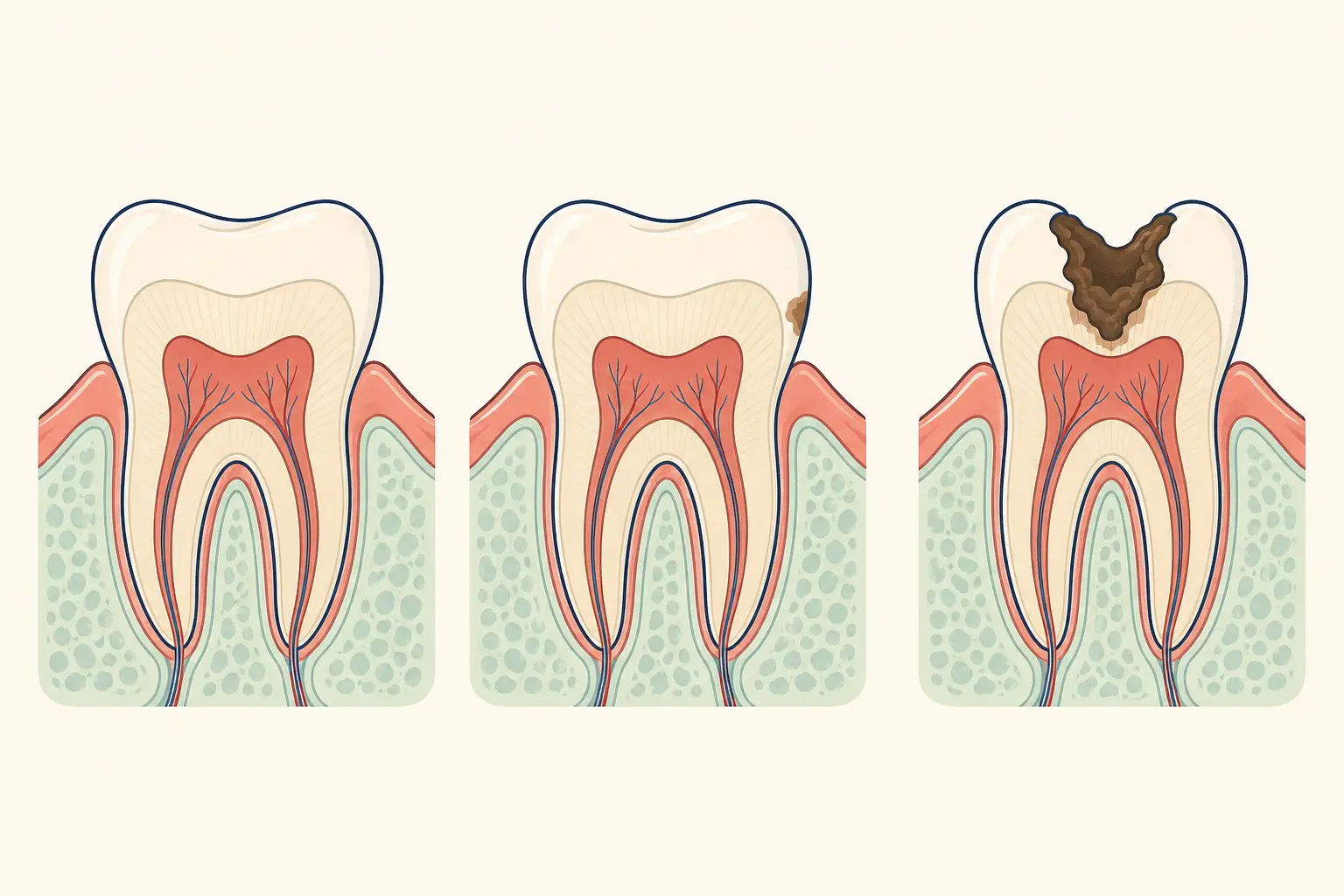
Why can the gumline bleed more when cleaning is disrupted?
The gumline is where plaque collects and where inflamed tissue can bleed. A small head improves access around back teeth, while soft bristles bend around tooth contours; hard bristles and force can wear exposed root surfaces and irritate gums.
What dental cleaning items should you pack for travel?
Pack a soft brush, fluoride toothpaste, floss or interdental brushes, and a ventilated case. Rinse the brush, shake off excess water, let it dry when possible, and do not share it; if you cannot brush, rinse with water and clean between teeth when practical.
When should travel-related gum or tooth problems see a dentist?
See a dentist if travel reveals persistent bleeding, gum swelling, tooth pain, a loose tooth, or a broken filling. Urgent assessment is needed for facial swelling, fever, or difficulty swallowing.
What should you ask about caring for your teeth while away?
Ask which brush head and interdental aid fit your mouth, whether exposed roots or gum recession need special handling, and how to clean around braces, implants, crowns, or bridges while away.
Who wrote this page
This library is published by Dental Nation, a licensed dental group practising in the United Arab Emirates. Pages are written and overseen by the same clinical team that treats patients in our clinics, and are held to a fixed editorial standard for safety and accuracy.
This page is patient education, not medical advice, and cannot replace an examination. Anything urgent — facial swelling, trauma, uncontrolled bleeding or severe pain — needs a dentist or emergency care now.